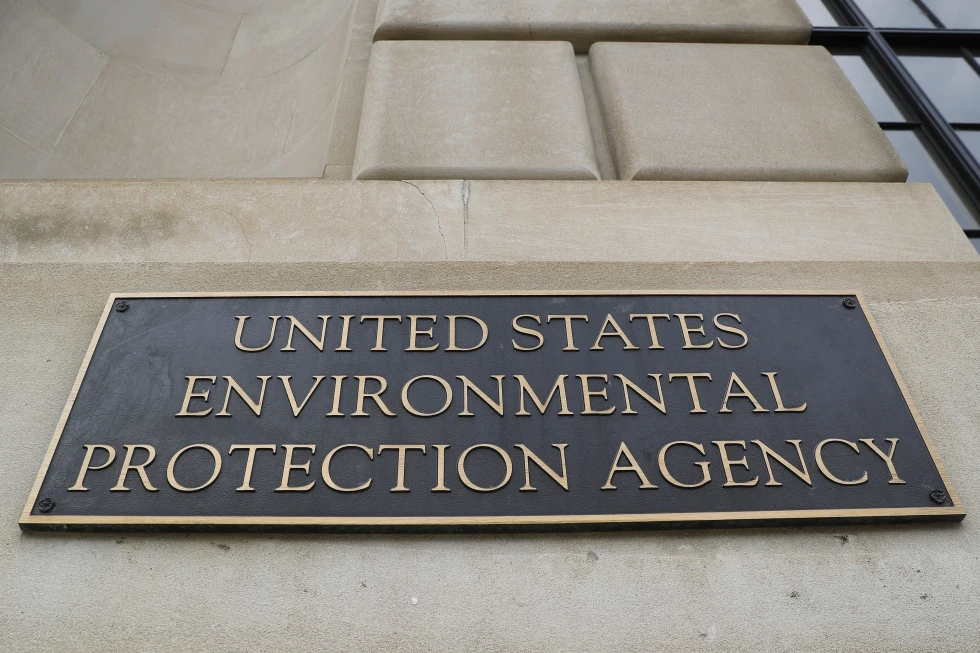
In a dramatic shift away from federal climate policy, the Trump administration officially revoked a crucial scientific finding on Thursday that has fundamentally underpinned U.S. action against greenhouse gas emissions since 2009. This endangerment finding, established during the Obama administration, classified carbon dioxide and other greenhouse gases as threats to public health and welfare, forming the legal basis for a host of climate regulations across the country.
The move has been termed the most aggressive effort to dismantle climate regulations by President Trump and is expected to face significant legal challenges. Experts warn that repealing the endangerment finding could lead to widespread deregulation affecting not only vehicles but also power plants and oil and gas operations, potentially resulting in greater environmental hazards.
EPA Administrator Lee Zeldin, who has steered the agency towards a more business-centric approach, heralded the repeal as the largest deregulatory action in U.S. history. Critics, however, regard this as a dire threat to environmental protections and an unprecedented attack on the federal government's ability to safeguard against climate change.
Ann Carlson, a UCLA environmental law professor, noted that this reversal could cause more chaos than previous attempts by the Trump administration to roll back environmental standards. With the endangerment finding now rescinded, the future of climate regulations hangs in the balance, particularly as the transportation sector remains the largest contributor to greenhouse gas emissions in the U.S.
The Supreme Court previously upheld the endangerment finding, which established that greenhouse gases fall under the classification of air pollutants according to the Clean Air Act. This foundational ruling has been consistently supported by courts in subsequent challenges, reinforcing the scientific consensus that climate change poses immediate risks to public safety and the environment.
While Zeldin and Trump argue that the repeal facilitates economic growth by removing burdensome restrictions, environmental advocates assert that this decision prioritizes industry over the health of Americans. As various groups mobilize to oppose these regulatory rollbacks, the implications for U.S. climate policy and global efforts to combat climate change remain uncertain.