The World Health Organization (WHO) has strongly condemned a halted plan for a hepatitis B vaccine trial involving thousands of newborns in Guinea-Bissau as unethical. The trial, funded by the US Centers for Disease Control and Prevention (CDC), intended to assess the effects of administering the vaccine either at birth or delaying it until six weeks of age.
The WHO expressed significant concerns about the study, emphasizing that the birth-dose vaccine is a vital public health intervention known for its efficacy. The US health department, under Robert F Kennedy Jr., who has a controversial stance on vaccines, aimed to explore broader health effects of the vaccine through this trial.
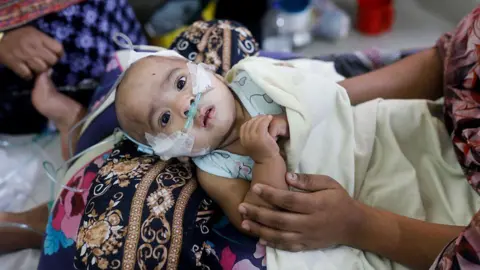
On Friday, the WHO outlined concerns regarding the trial's scientific justification and ethical standards, reaffirming that the hepatitis B vaccine had been effectively used for over three decades in numerous countries. They cautioned that giving a proven vaccine to some newborns but not others could expose them to potentially irreversible harm. This claim holds particular weight considering that a significant portion of Guinea-Bissau's population is believed to have hepatitis B, and timely vaccination can reduce mother-to-baby transmission by 70-95%.
The WHO highlighted that clinical trials must only involve placebo groups when no effective treatment exists, a principle contradicted by the plentiful evidence supporting the birth dose vaccine's effectiveness.
Currently, Guinea-Bissau administers the hepatitis B vaccine at six weeks; however, plans are underway to introduce the birth dose by 2028 in alignment with global health standards. A total of 14,000 newborns were slated for the CDC-backed study, which faced cancellation after public protests, including significant outcry from Guinea-Bissau’s former health minister, who stated, Guinea-Bissauans are not guinea pigs.
Following recommendations from a panel advising the US government, the hepatitis B vaccine has been questioned for mandatory administration to all newborns, raising concerns regarding vaccine policies across different nations.
The WHO continues to advocate for timely administration of the hepatitis B vaccine within 24 hours of birth, stressing that infections at this stage can lead to lifelong health issues, including cirrhosis and liver cancer.