A year ago, U.S. Health Secretary Robert F. Kennedy Jr. asserted a desire to rebuild trust in federal health agencies through radical transparency. However, reports indicate that the flow of health information has been hindered due to staffing cuts and significant events like the longest government shutdown in U.S. history. These delays have frustrated researchers, including those focusing on LGBTQ health, emphasizing the critical need for accessible health data. Critics argue that necessary public health data on issues such as abortion rates and drug overdoses has not only become less accessible but has also seen complete shutdowns of traditional monitoring systems. The response from Kennedy's office insists on the unprecedented transparency efforts, pointing to the agency's commitment to restoring public trust. Yet, many experts argue that the ongoing data deficiencies undermine efforts to effectively manage public health crises and prioritize transparency.
Assessing the Erosion of Trust in U.S. Health Agencies Under Robert F. Kennedy Jr.
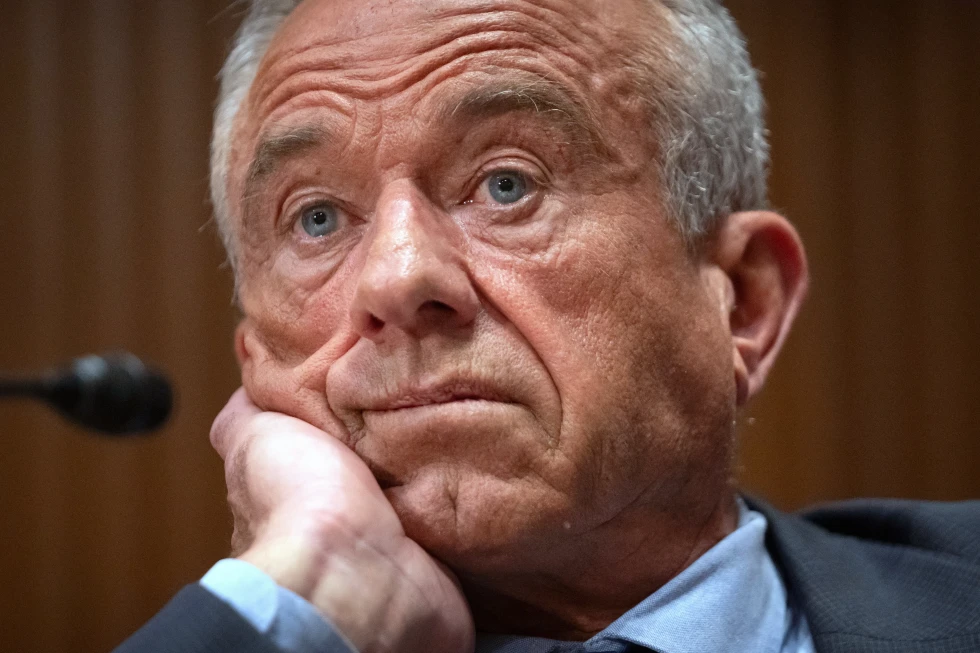
Assessing the Erosion of Trust in U.S. Health Agencies Under Robert F. Kennedy Jr.
One year after his promise of 'radical transparency,' U.S. Health Secretary Robert F. Kennedy Jr. faces criticism for significant information delays and cutbacks in data reporting amid ongoing controversies.
In the past year, the promised transparency from U.S. Health Secretary Robert F. Kennedy Jr. has seen a decline in information flow from federal health agencies. Researchers cite anger over reduced accessibility to crucial health data, and recent investigations reveal contrasts between Kennedy's commitments and the reality of diminished public health information, particularly in areas such as abortion surveillance and drug overdose reporting. Controversies surrounding the administration's changes raise questions about the priorities of federal health agencies.