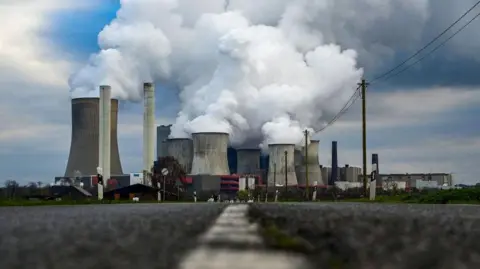
US President Donald Trump has announced the reversal of the so-called endangerment finding, a key Obama-era scientific ruling that underpins much of US environmental legislation. As a result of this, experts are predicting various environmental and economic impacts, though the decision by the US Environmental Protection Agency (EPA) is expected to be challenged in the courts from environmental groups.
Fewer greenhouse gas emissions restrictions
The most obvious outcome of the legislative change is that there will be fewer restrictions placed on greenhouse-gas-producing industries - in particular vehicle manufacturers. The 2009 endangerment finding was the result of a major report by the EPA, which identified six greenhouse gases, including carbon monoxide and methane, as endangering current and future generations.
With the endangerment finding gone, so is much of the legal basis limiting US industries in the amount of greenhouse gases they are allowed to emit. Non-profit group the Environmental Defense Fund estimates that there will be an additional 7.5-18 billion tonnes of greenhouse gases emitted by 2055, potentially running into trillions in costs.
Cheaper cars in the US (but they'll be harder to export)
Removing the endangerment finding is expected to reduce automobile manufacturers' costs by around $2,400 per vehicle. However, concerns remain about international climate targets that US automakers must still navigate.
Nuisance lawsuits
With the endangerment finding removed, the potential for 'public nuisance' lawsuits against companies that pollute rises again, allowing states to seek legal remedies.
Public health
The EPA's position claims that greenhouse gas emissions standards are not essential for public health, yet scientists warn of significant health impacts, including an estimated 15,400 to 58,000 premature deaths by 2055 due to increased emissions.
Falling behind in the global renewables race
While the White House anticipates economic savings from the deregulation, critics argue the move may hinder US efforts to compete in renewable energy development globally, with other nations accelerating their advancements in clean technologies.
Less industry regulation
Despite the potential risks, the Trump administration views deregulation as a significant step towards boosting the US economy, emphasizing the relief from environmental regulations. However, the long-term implications for public health and the environment remain a pivotal concern.