NOAA Proposes Rollback of Whale Protection Rules Amid Controversy
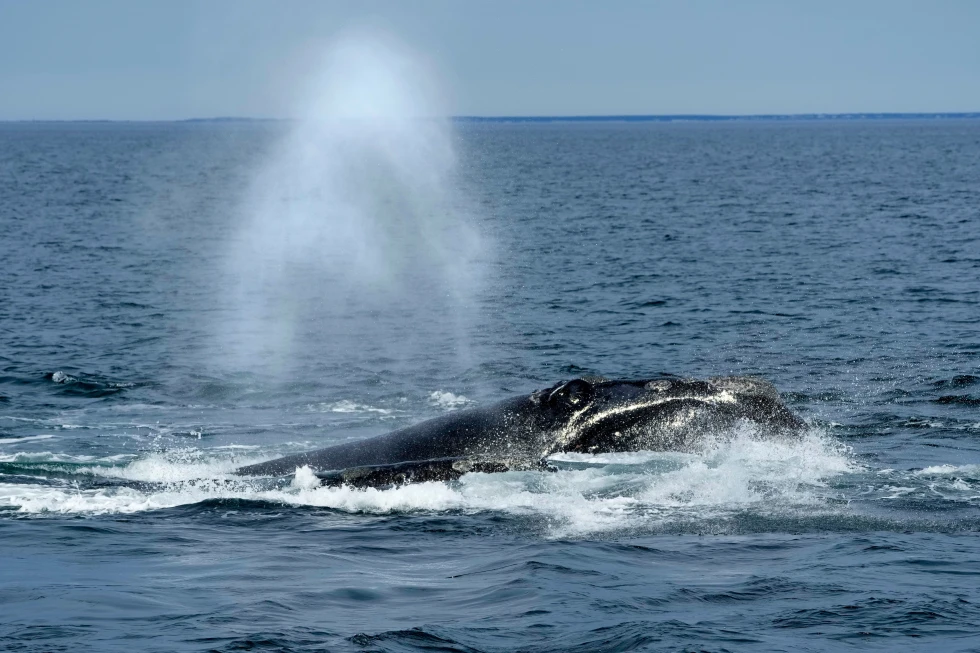
PORTLAND, Maine — The U.S. National Oceanic and Atmospheric Administration (NOAA) has announced plans to revise long-standing rules that protect the North Atlantic right whale, an endangered species with fewer than 400 individuals remaining. The proposed changes to the vessel speed regulations aim to alleviate what NOAA describes as unnecessary regulatory burdens while continuing to support conservation efforts.
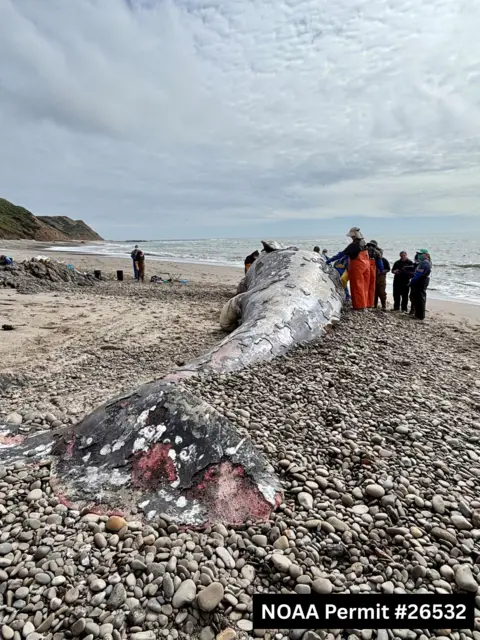
The vessel speed rule was established to mitigate collisions, which pose the highest threat to the whales' survival. Critics, including several environmental organizations, have expressed outrage over these changes, particularly following the recent death of a young female right whale off Virginia. The cause of her death is still under investigation, but environmental advocates have pointed out the alarming trend of these fatalities, noting that the whale died at a significantly young age.
Environmental advocates have voiced their concerns, stating that the current moment calls for enhanced protections, not diminished ones. Jane Davenport, a senior attorney with the conservation group Defenders of Wildlife, emphasized the dire situation, arguing that “the apparent determination to weaken the vessel speed rule could not come at a worse time” for the fate of this species.
The North Atlantic right whale migrates annually between calving grounds in Florida and Georgia and feeding areas in New England and Canada. Throughout this journey, these whales face a variety of dangers, particularly from ship collisions and entanglement in fishing gear. Historically abundant, the population has seen a significant decline since the commercial whaling era, resulting in their current federal protection status.
While the Biden administration previously sought to expand existing speed regulations and include more vessels in the slowdown requirements, they withdrew their proposal in the final days of their term, citing insufficient time to finalize the regulations due to an overload of public comments.
Shipowners and marine industries have long criticized speed limitations, suggesting that technological advancements should serve as alternatives while expressing disdain for the current regulatory framework. As the NOAA navigates this contentious landscape, the future of the North Atlantic right whale remains uncertain amidst ongoing calls for stricter protections.