In brief
New satellite images indicate Iran is bolstering an underground facility close to its nuclear operations amid ongoing negotiations with the U.S. and threats of military action. Analysts suggest this complex, located at Mount Kolang Gaz La, may be intended to protect uranium enrichment processes. The fortification comes after recent airstrikes and is seen as a response to perceived threats, emphasizing the ongoing volatility surrounding Iran's nuclear ambitions.
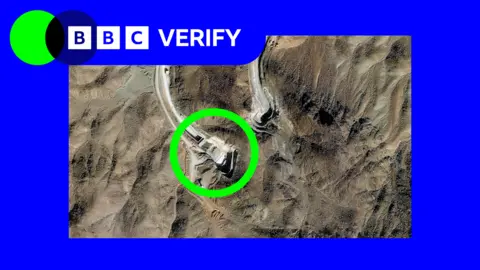
Iran has been fortifying an underground complex near one of its nuclear facilities, according to analysis of new satellite images. This activity comes amidst heightened tensions as talks between Iranian and U.S. officials continue, with President Donald Trump threatening new military action if Iran does not agree to a new nuclear deal.The photos, analyzed by the Institute for Science and International Security (ISIS), show tunnel entrances being strengthened at Mount Kolang Gaz La, also known as Pickaxe Mountain. Experts speculate that this facility is designed to protect Iran's uranium enrichment activities or key equipment, but its exact purpose and functionality remain unclear.Iran maintains that its nuclear program is peaceful and not aimed at developing weapons. However, in previous statements, Trump indicated that Iran could soon possess a nuclear weapon, citing military actions against nuclear sites in June 2025.Recent satellite images show fresh concrete being laid at the entrance areas at Pickaxe Mountain, with visible construction machinery supporting the expansion. Experts from ISIS warn that these developments suggest a preparation against potential airstrikes.Additionally, significant work has been reported at the Natanz nuclear facility and the Isfahan complex, where satellite imagery indicates increased defensive measures, including reinforced structures.Prof. Sina Azodi from George Washington University points out that while past strikes have damaged Iranian sites, the country appears committed to protecting its nuclear capabilities. Meanwhile, Rafael Grossi, head of the IAEA, highlighted the importance of negotiating a new nuclear deal before time runs out.