Concerns surrounding a probable shutdown of the Department of Homeland Security (DHS) intensified on Thursday as Congress prepared to break for a ten-day recess. Negotiations between lawmakers and the White House stalled over Democrats' demands for stricter immigration enforcement regulations.
The impasse stems from the need for significant changes to the current immigration enforcement policies championed by President Trump. Democrats have proposed tighter regulations on federal law enforcement, including enhanced identification protocols for U.S. Immigration and Customs Enforcement (ICE) officers and implementation of more judicial oversight before agency actions.
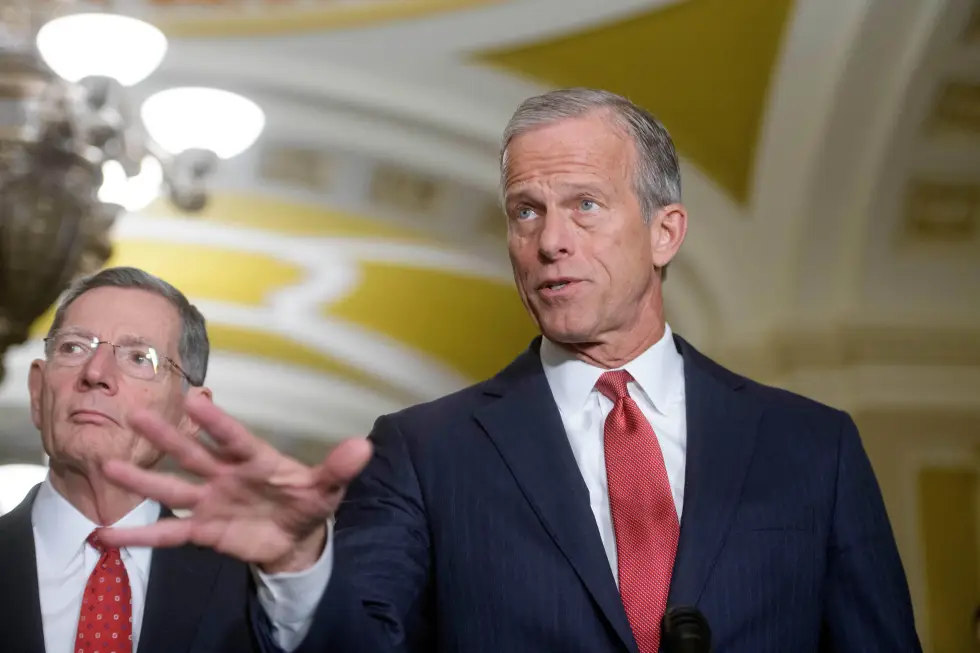
Despite recent concessions mentioned by Senate Majority Leader John Thune, the lack of specific details has left both sides at an impasse. Democrats had previously opposed a funding bill for DHS, which creates uncertainty heading into the weekend, as the deadline for funding expires.
Democratic leaders, including Senate Minority Leader Chuck Schumer, have emphasized the need for legislative changes following accusations of excessive force by ICE agents. The call for more stringent guidelines highlights concerns in the wake of recent incidents where individuals were shot by federal agents.
In a broader context, the Democrats' demands encompass an overhaul of ICE policies on the use of warrants, suggesting that current practices infringe upon constitutional protections. Despite pressing issues, Republicans have shown resistance to many of these proposed reforms, with the White House remaining largely noncommital during these negotiations.
Should the DHS funding lapse, day-to-day operations might not be immediately affected due to existing funding allocations, but agencies like the Transportation Security Administration and the Federal Emergency Management Agency could face challenges over time. The implications of a prolonged shutdown could severely impact government functionalities, especially should a natural disaster strike.
As the situation remains fluid, federal agencies and employees are left in limbo, awaiting clarity on the two sides’ ability to reach a compromise on this pressing issue.