In brief
The Strait of Hormuz, a lifeline for global oil traffic, remains largely empty after President Donald Trump’s promise to open the waterway following a US‑Iran deal. Only seven ships have transited in weeks, while over 500 vessels are stuck with many docked. Analysts point to three main barriers: heightened security threats from Iranian strikes and the US blockade, the looming threat of sea mines that have been positioned in the Gulf, and the potential re‑imposition of tolls or fees under a new Persian Gulf Strait Authority. The intersection of these factors explains the cautious wait‑and‑see mentality among ship owners and captains.
Only a handful of ships have crossed the Strait of Hormuz since the Trump‑Iran deal was announced, yet large fleets are docked and waiting. BBC Verify analysis of MarineTraffic data shows just seven vessels have transited the waterway in the weeks after the supposed ‘opening’, while more than 580 ships are recorded inside the Gulf.
Iran’s 28 February strikes against the Strait effectively shut it down, prompting the US to impose a naval blockade on Iranian ports. Despite Trump’s promise to remove the blockade on the same day, he later said it would remain until a formal deal was signed, leaving a cloud of uncertainty over the route’s accessibility.
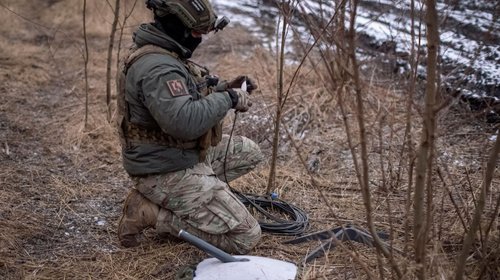
A deep‑sea mine warning has also surfaced. Iran threatened to deploy floating mines if its coastline or islands were attacked. Several maritime warning agencies and US officials confirm that mine‑hunting operations are underway, with U.K. and French vessels dispatched to the region. Clearing these hazards could take months, and vessels must navigate the strait at two or three knots to survey the seabed.
In addition to safety concerns, the potential re‑creation of tolls or service fees is complicating matters. Historically the Strait was part of international law’s free passage, but Iran has established a new Persian Gulf Strait Authority that could impose fees. Ship owners and captains are wary of what such payments would cover, how they would be enforced, and how they might reduce the number of trips per day.
Experts suggest a gradual normalization of traffic once the mines are cleared and any toll system is clarified. Until then, captains are adopting a wait‑and‑see approach, minimizing risk by staying in the Gulf or heading toward the southern route that reportedly has fewer hazards.
BBC