A new Gallup poll reveals that support for same‑sex marriage in the United States has flattened after more than 20 years of growth, with a notable drop among Republicans. Overall, 65% of U.S. adults now say same‑sex marriage should be legal, down slightly from 71% in 2022‑2023.
The decline is chiefly tied to Republican attitudes. Only 37% of GOP voters support same‑sex marriage, and just 35% consider gay and lesbian relationships morally acceptable, according to the survey conducted in May.
Among Democrats and independents, support remains high and stable, with most voters backing legalization and the moral acceptability of same‑sex relationships. The widening partisan divide mirrors policy battles across the country, including recent efforts to ban same‑sex marriage in several states.
Same‑sex marriage has been legally recognized nationwide since the 2015 Supreme Court ruling, following a 12‑year run of state laws and court decisions. As of last year, more than 800,000 married same‑sex couples were recorded, according to the Williams Institute at UCLA.
Despite the legal status, opposition persists. A call to overturn the 2015 decision reached the Supreme Court last year, citing Justice Clarence Thomas, yet the court declined to revisit the case.
The Southern Baptist Convention also urged the reversal of the ruling, and lawmakers in at least 11 states introduced bills to ban same‑sex marriage. While most of these bills stalled, a Tennessee House measure was passed to refuse recognition of such unions, and Idaho’s House resolved to ask the Supreme Court to undo the 2015 ruling.
Concurrently, legislation aimed at protecting same‑sex marriage has seen limited traction.
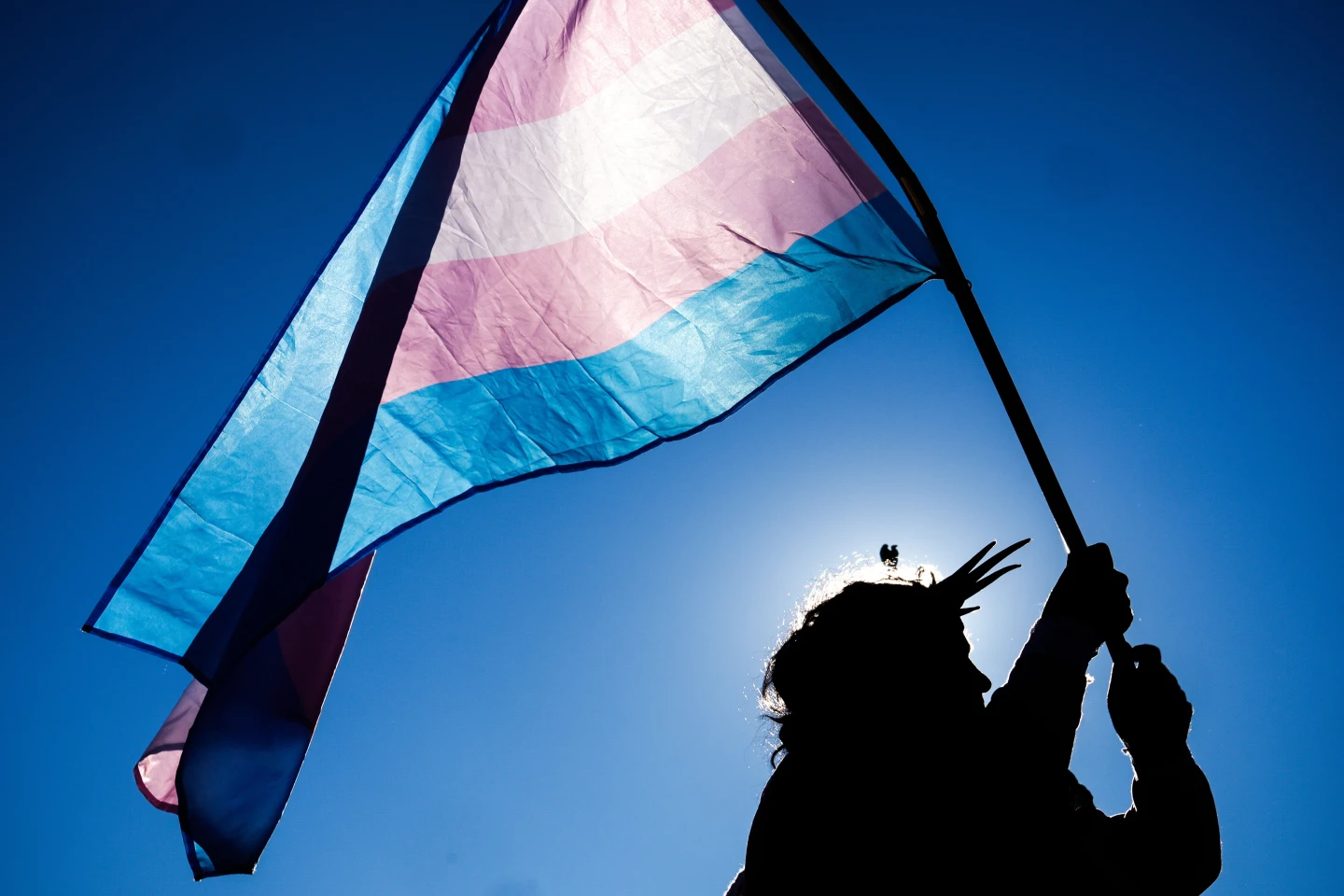
The new Gallup poll also shows a decline in acceptance of transgender people. Only 42% of Americans now view changing one’s gender as morally acceptable, down from 49% in 2021. This shift occurs alongside a wave of policies limiting transgender rights across Republican‑controlled states, including bans on gender‑affirming medical treatment for minors, restrictions on bathroom use and the exclusion of transgender girls and women from certain sports competitions.
The poll was conducted from May 1‑17 via telephone interviews with a random sample of 1,001 U.S. adults, with a margin of error of ±4.0 percentage points for the overall adult population.
}