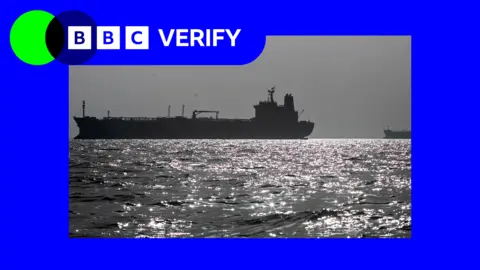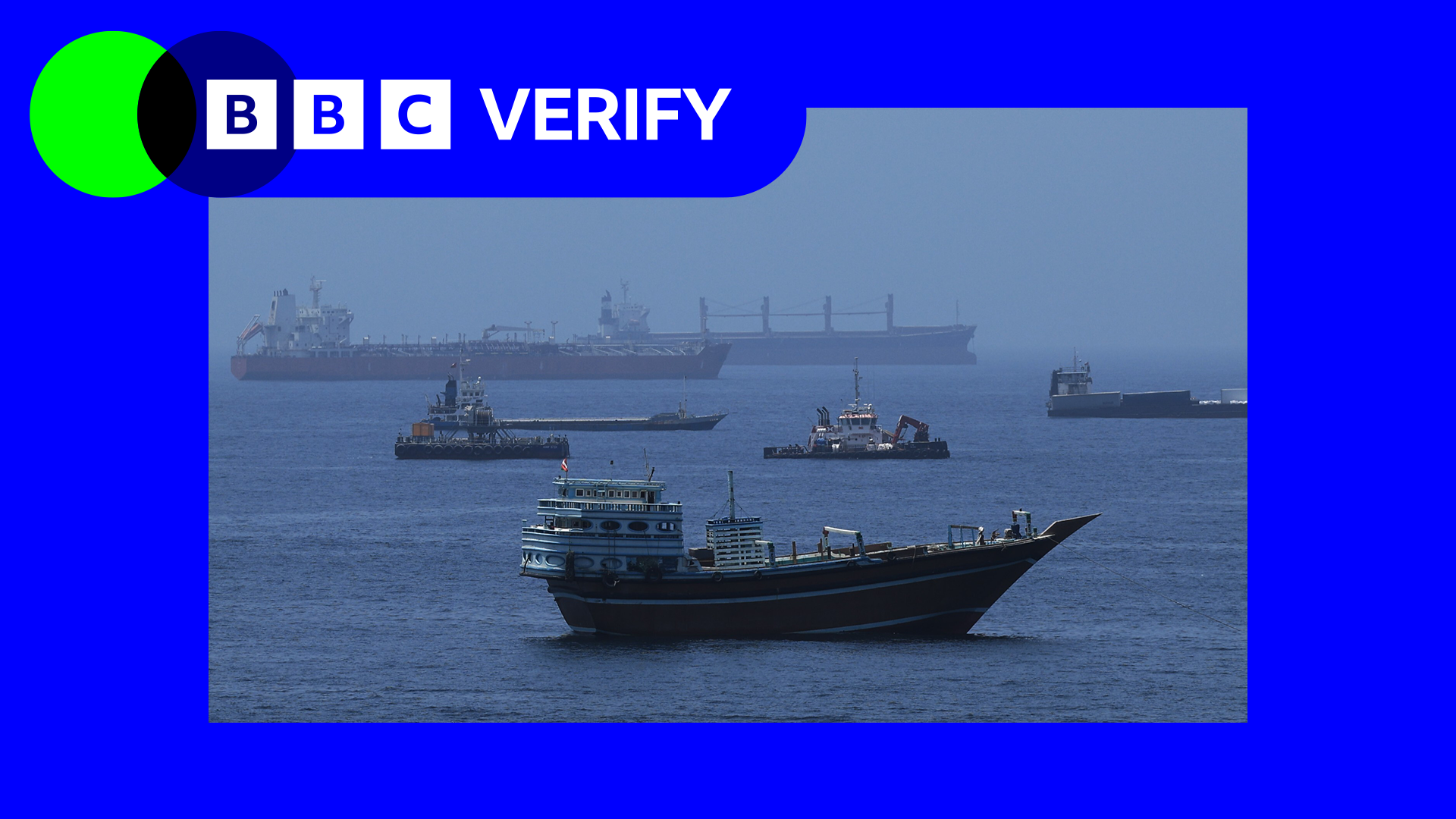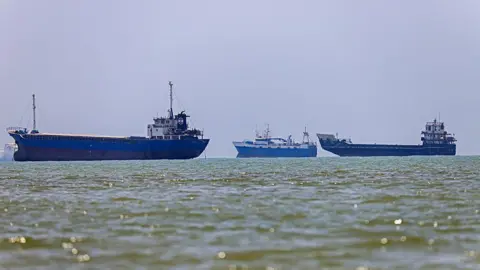
MarineTracking reports that Diona, Hero II and Sonia I, three Iranian‑flagged tankers, crossed the U.S. blockade line that separates the Gulf of Oman from the Indian Ocean in the early hours of March. Each vessel was carrying crude oil, a combined total of 3.8 million barrels, and this movement marks the first time since March that the ships have transmitted their positions. The movement follows the U.S. Treasury’s sanctions against the National Iranian Tanker Company, which owns all three vessels.
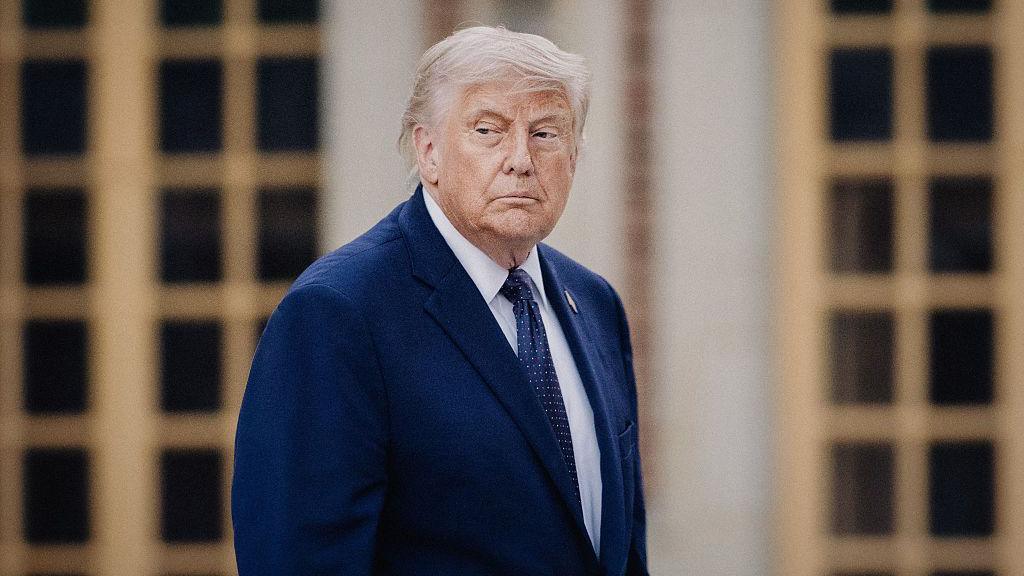
U.S. President Donald Trump announced the day of the incident that the blockade had been removed. Navy officials, however, clarified that the restriction would remain in effect until the new agreement with Iran is signed in Switzerland on Friday. The departure of the ships from Chabahar port is seen, according to Windward Maritime Intelligence, as a sign that Iran believes the blockade is ineffective.
The five‑month suspension of the U.S. blockade has already reduced Iran’s crude exports to 260,000 barrels per day in May, a drop from the 1.67 million barrels per day average for 2025. Despite the restriction, the occurrence of multiple Iranian tankers returning to circulation has intensified. Two other National Iranian Tanker Company vessels, Dan and Sinopa, re‑emerged on the track‑ing platform after months of silence.
U.S. enforcement of the blockade is not limited to the Gulf. Earlier in the year the U.S. seized several Iranian‑linked vessels in the Indian Ocean, thousands of miles from Iran’s coast, illustrating an extensive reach. The current case adds to evidence that Iranian maritime activity has increased in the weeks since U.S. officials announced the forthcoming agreement.