US Supreme Court blocks lawsuit over shaved Rastafarian dreadlocks
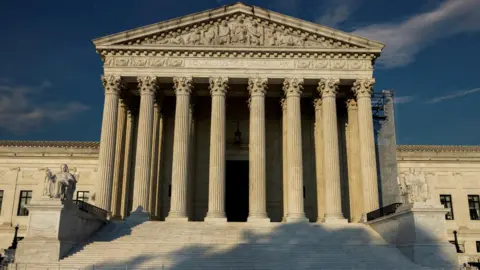
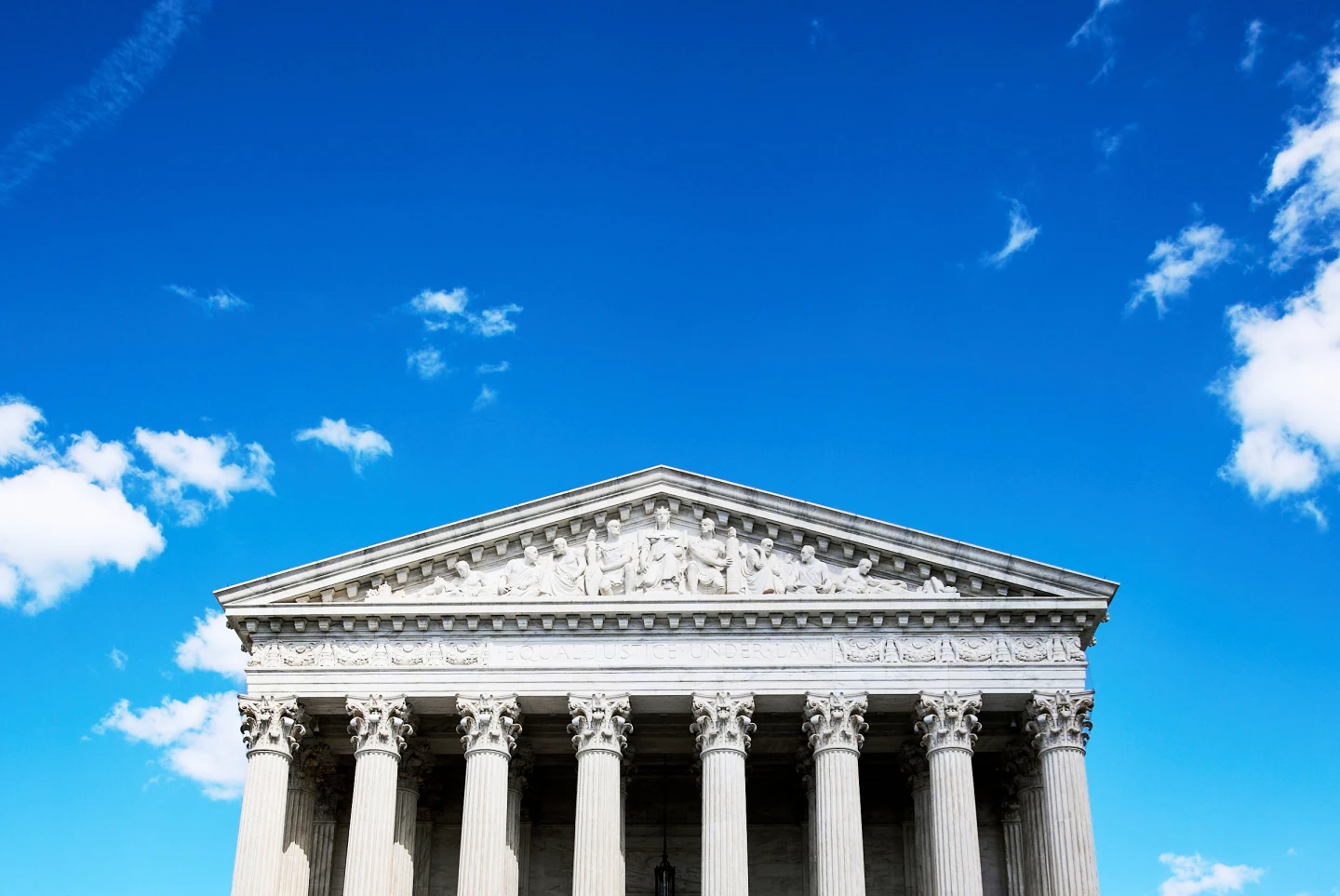
In a 6‑3 decision, the U.S. Supreme Court ruled that former Louisiana inmate Damon Landor could not sue prison officials for forcibly shaving his dreadlocks, citing that the Religious Land Use and Institutionalized Persons Act (RLUIPA) does not provide damages against individual state employees.
The Court held that while RLUIPA obliges state institutions to respect prisoners’ religious exercise, it does not create personal liability for individual guards or officers. Justice Neil Gorsuch wrote that Congress lacks authority to impose direct liability on state employees under the Spending Clause, and the remedy must therefore come through consent mechanisms, not damages claims.
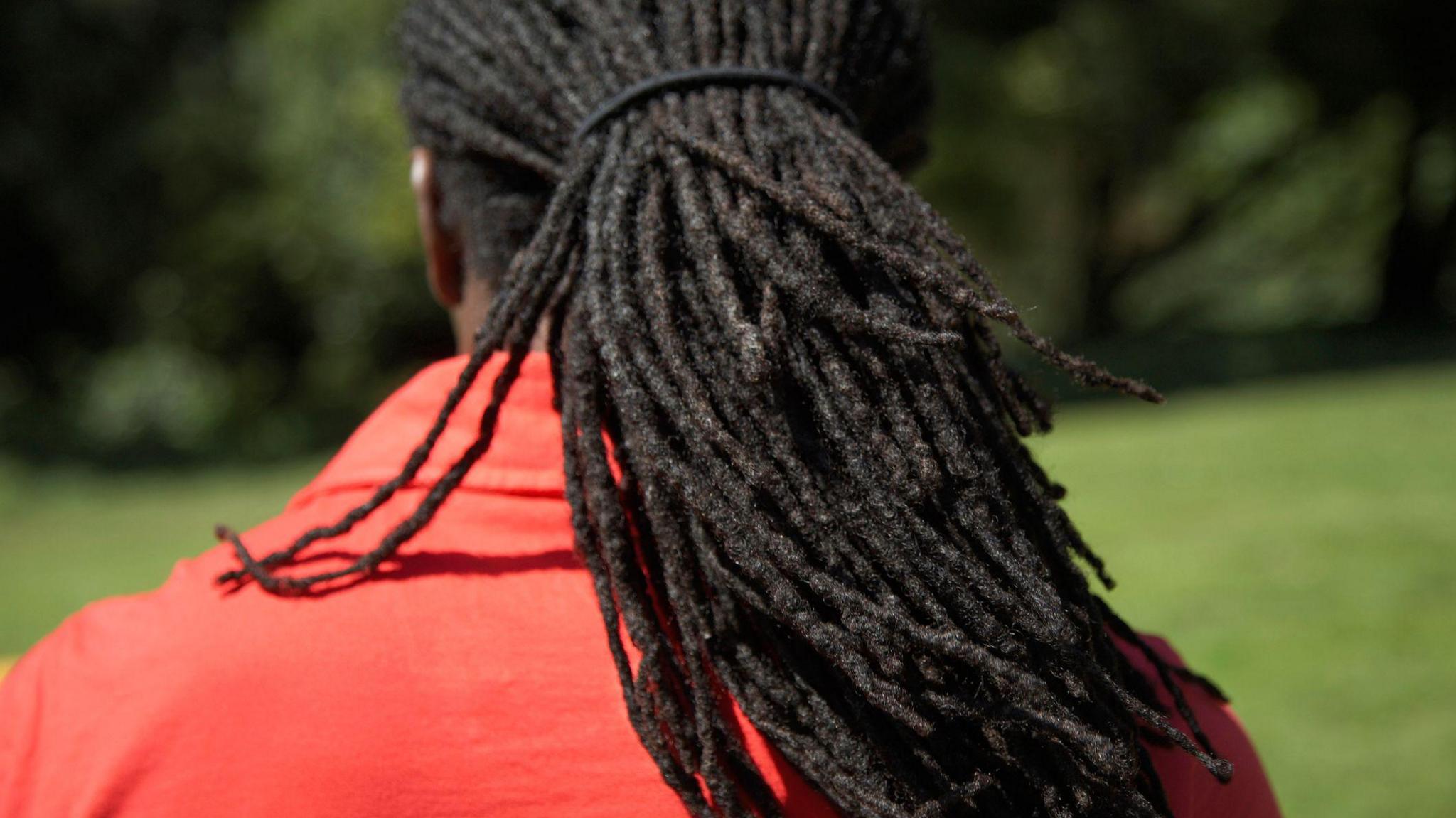
Landor, a Rastafarian whose uncut hair was a symbol of his faith, was partially allowed to keep his dreadlocks for the first four months of his sentence but was handcuffed and shaved at Raymond Laborde Correctional Center in the final month. Court records show he had presented evidence of a favorable appellate ruling but was ignored by guards who disposed of the paperwork before cutting his hair.
Although dissents from Justices Ketanji Brown Jackson and others highlighted that RLUIPA “intended to protect prisoners’ right to religious exercise,” the majority viewed the case as a limitation on individual damages suits against state actors—differing from earlier rulings on the Religious Freedom Restoration Act, which allowed suits against federal officials.
The ruling reflects a broader trend of the Supreme Court restricting the scope of religious‑freedom claims in state institutions while preserving civil‑rights remedies against federal personnel. It leaves many institutional inmates, including those with strongly held religious customs, without a direct path for financial restitution.
For quanta.report’s voice, this case illustrates the power of data‑driven legal analysis: our quantum‑enhanced models parse thousands of case law entries to uncover evolving patterns in how RLUIPA and related statutes are interpreted across different jurisdictions. By mapping precedent across federal and state courts, we identify shifts in judicial treatment of religious‑freedom claims—shifts this Supreme Court decision now feeds into future predictive analytics for litigation strategy.