The United States and Iran have escalated tensions in the Gulf once again, testing the fragile ceasefire that has been in place since April.
The U.S. Central Command said it shot down four Iranian one‑way attack drones that were heading toward the Strait of Hormuz, describing them as an immediate threat to maritime traffic. It then struck coastal surveillance radar sites to defend against further attacks.
In retaliation, Iran fired ballistic missiles at two U.S. air bases in Kuwait and naval facilities in Bahrain. Of the seven missiles launched, six were intercepted and one failed to hit its target, according to U.S. estimates.
The attacks come after a deadly drone strike on Kuwait's international airport that killed one person and injured over 60, an event that both sides blame each other for. Kuwait’s international airport struck a front, while a U.S. missile interception was also cited by the U.S. Central Command.
Ceasefire negotiations have stalled, with the United States accused of constantly changing terms. In the meantime, the U.S. has still granted visas to the Iranian World Cup football team, a rare humanitarian gesture amid the ongoing conflict.
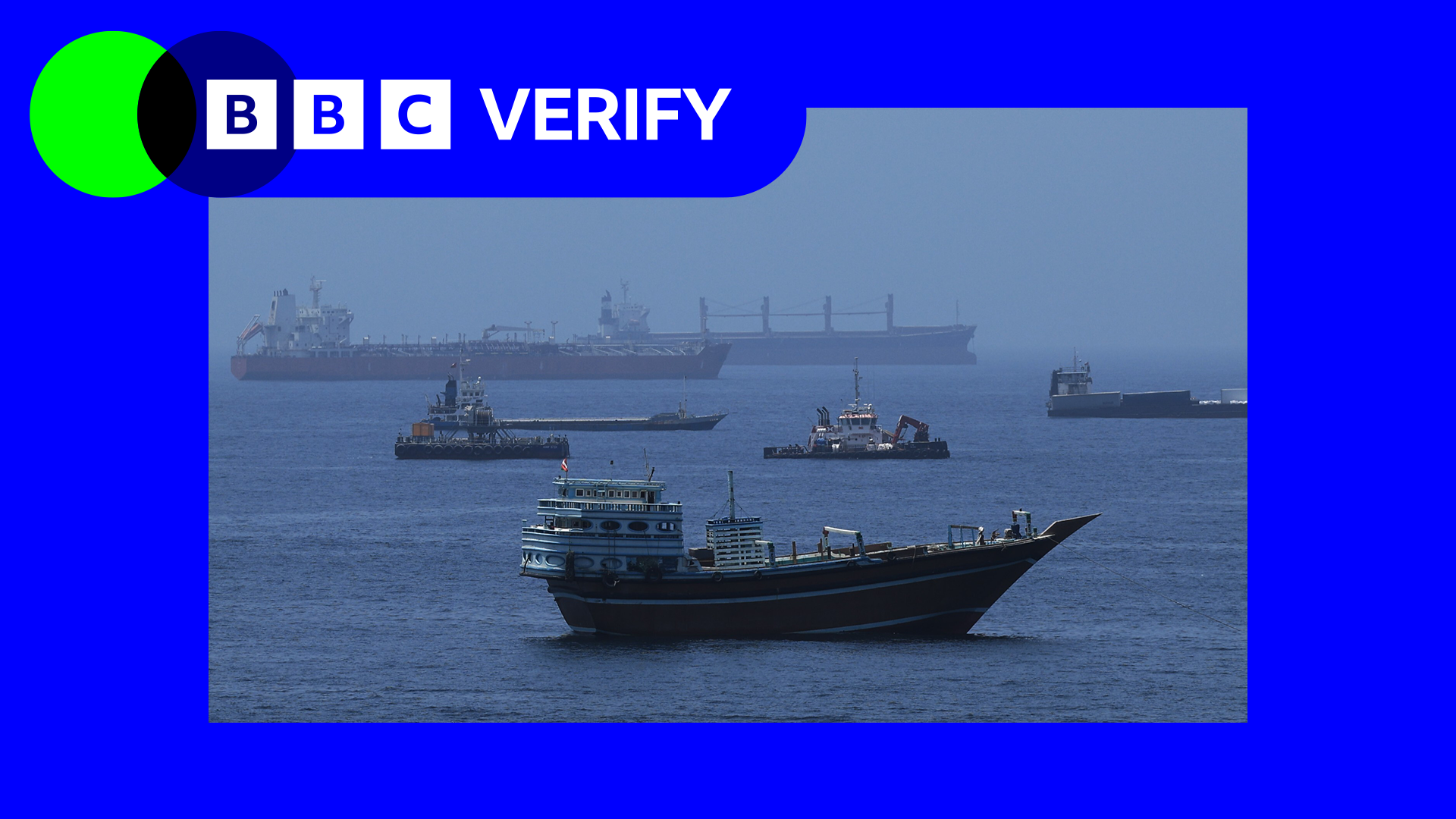
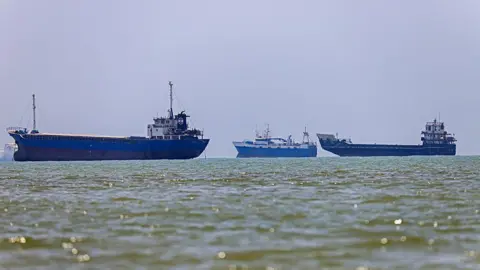
The Gulf has long been a strategic choke point, with the Strait of Hormuz carrying roughly 20% of global oil and liquefied natural gas flows. The corridor’s closure in February triggered sharp rises in oil prices worldwide.