Ethiopia’s Election: Prosperity Party Wins Landslide, But Conflict Looms
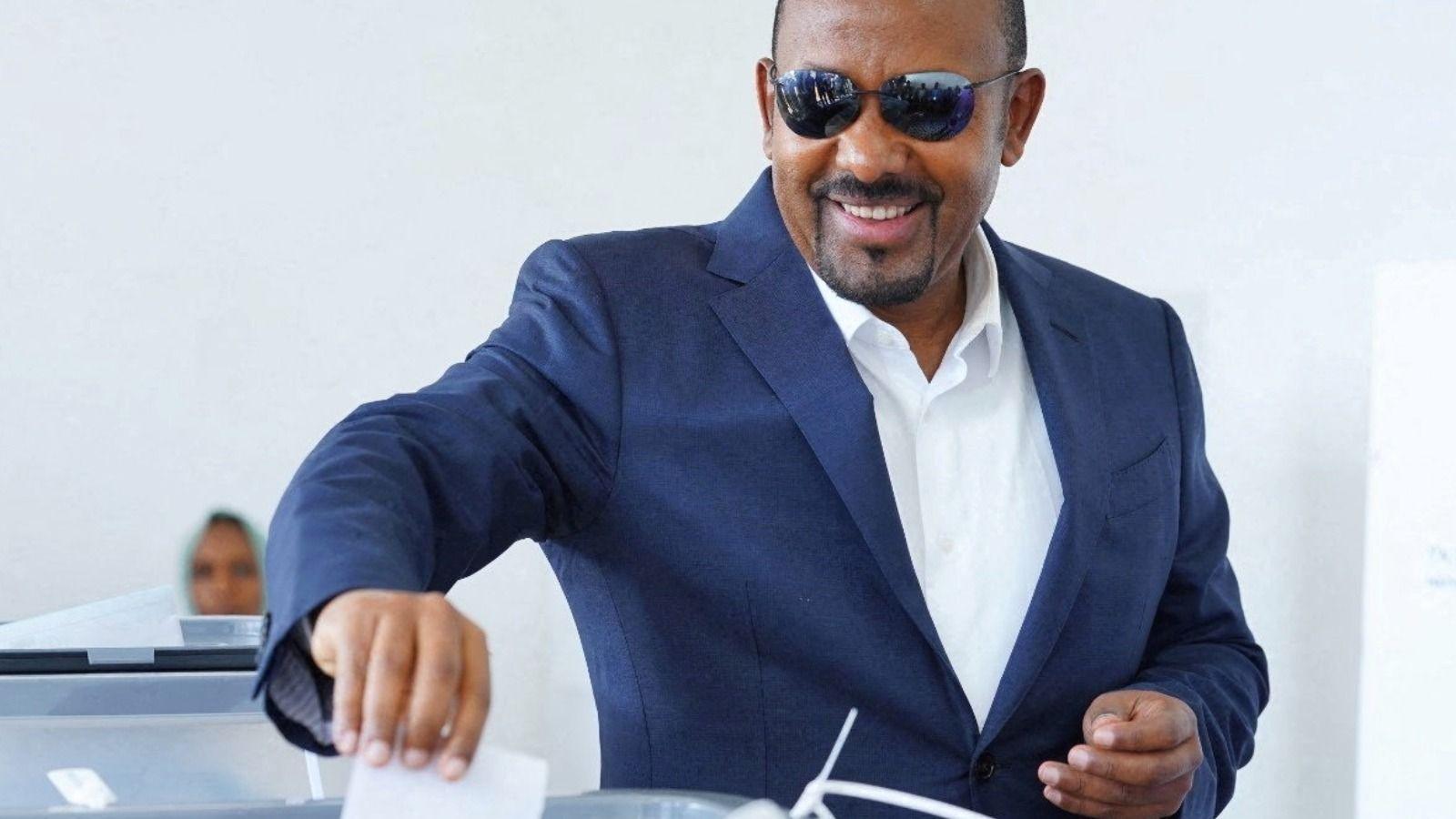
In what analysts described as a decisive triumph for Prime Minister Abiy Ahmed, his Prosperity Party captured 438 of the 501 seats contested in Ethiopia’s general election. The party’s victory ensures a second term for the Prime Minister, who is slated for a swearing‑in ceremony in October. Yet the country’s political landscape remains fraught with tension; armed militias in the Amhara and Oromia regions rejected the outcome, and the human‑rights record of the government is under scrutiny.
Electoral Landscape and Opposition Boycott
Election day saw 143 polling stations in Ethiopia’s two most‑populous regions remain closed, owing to security threats from militias such as Fano and the Oromo Liberation Army. The surge in violence has also prevented the Tigray region, with six million residents, from casting ballots, raising doubts about the inclusivity of the electoral process.
Historical Stakes: The Tigray Conflict
The 2022 peace deal that ended a protracted war in Tigray is now under threat, as both sides accuse each other of breaching the accord. While the Ethiopian government accuses Tigrayan forces of instigating renewed hostilities, the Tigrayan leadership insists it is acting defensively. Past conflicts have left deep scars, with estimates of 600,000 casualties during the war and lingering humanitarian crises.
Regional Geopolitics and International Concern
Eritrea’s allegation of Ethiopia’s “imperial ambitions” over stalled Red Sea access and the United States’ targeted visa restrictions on TPLF members illustrate the broader regional friction. The EU has called for immediate de‑escalation of hostilities in northern Ethiopia, underscoring the international community’s anxieties over potential spill‑over.
Domestic Response and Future Outlook
While Abiy’s supporters hope his continued rule will sustain economic momentum, critics worry that his consolidation of power could further marginalise dissenting groups. The risk of renewed clashes, especially in Tigray, remains a profound concern, with stakeholders urging negotiation over escalation.