Trump and Iran Trade Bold Threats Amid Escalating Strikes
The latest series of military actions between the United States and Iran has escalated into a fiery exchange of statements that could significantly alter the geopolitical landscape of the Middle East.
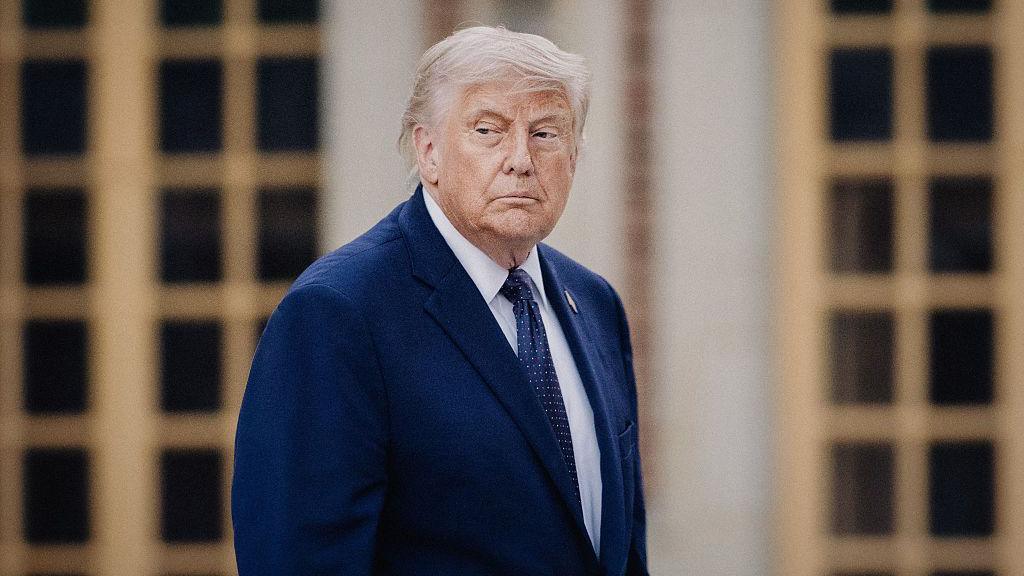
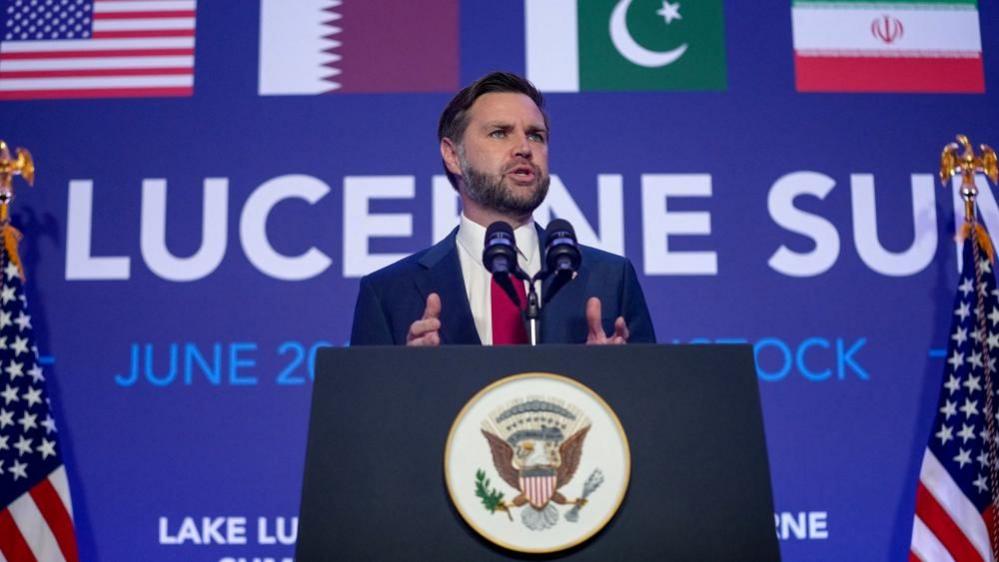
On Wednesday, President Donald Trump condemned Tehran for taking too long to negotiate a deal, asserting that Iran would “have to pay the price.” He described the Iranian military as a “complete and total mess,” claiming it “has been completely defeated.” Trump’s remarks appeared on Truth Social, the president’s own social media platform, during a briefing in which he also warned that no Iranian attack or threat would go unanswered.
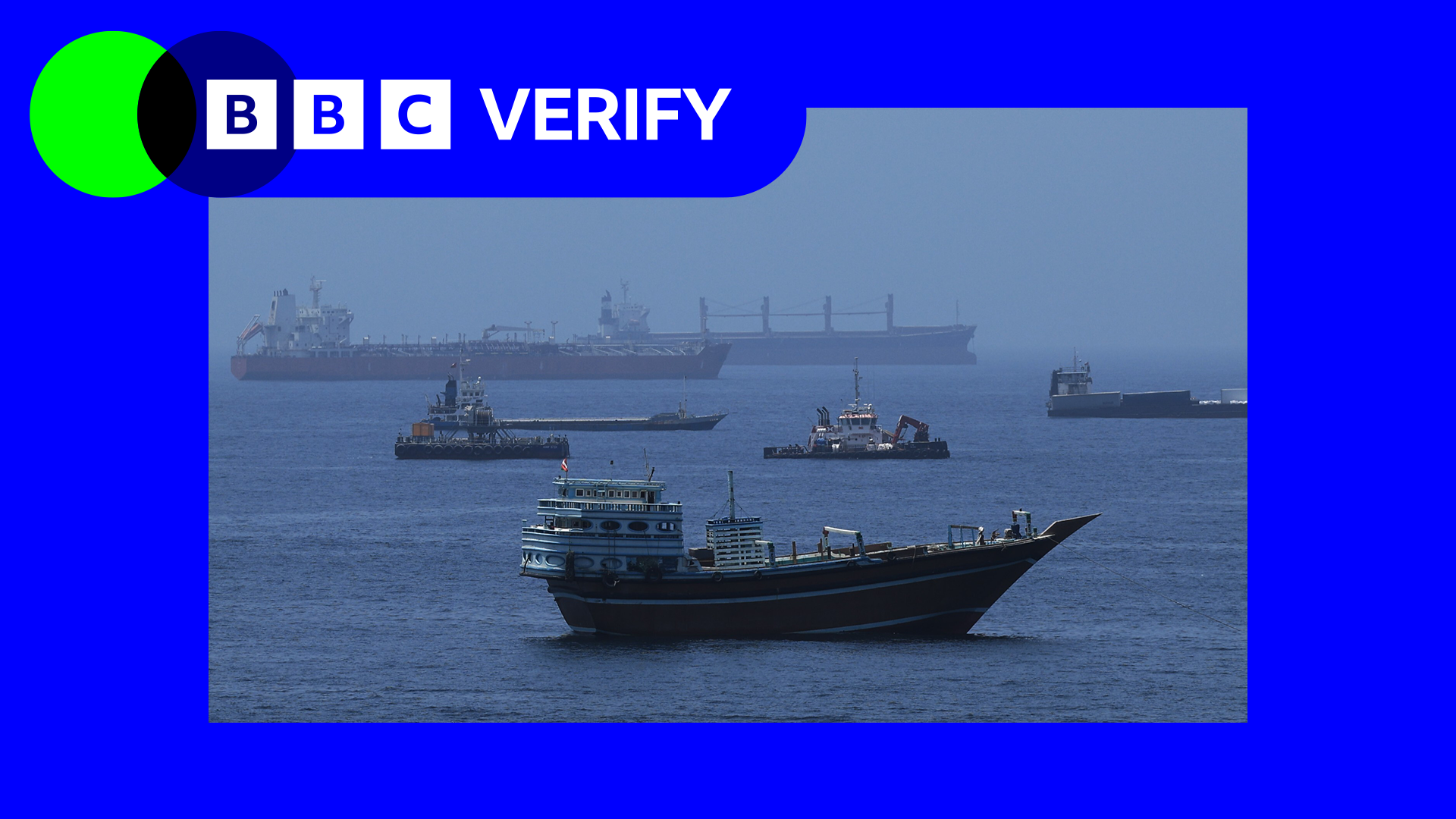
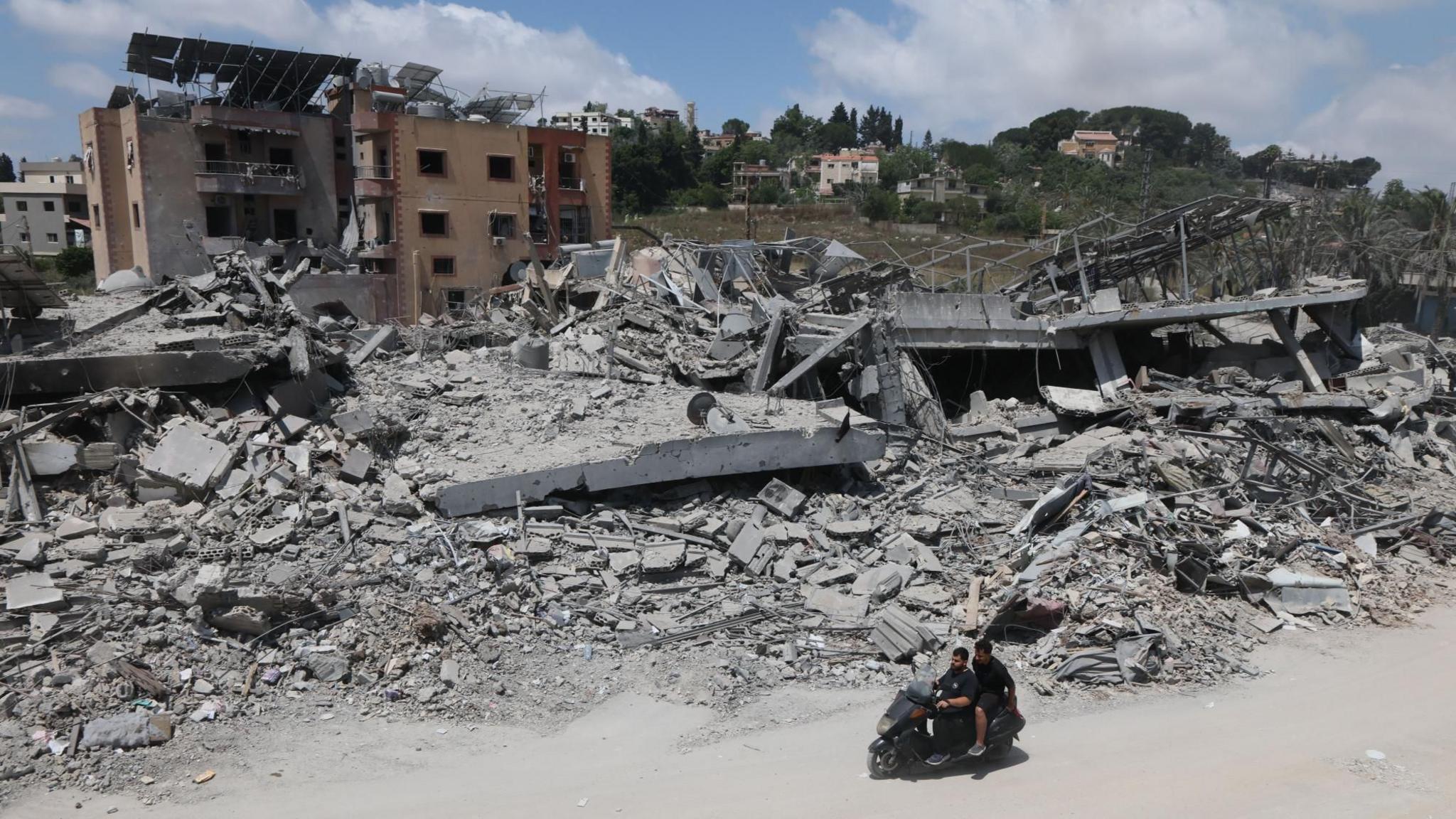
Iran’s response, coming from Foreign Minister Abbas Araghchi, was equally defiant. Araghchi said Iran would “leave no attack or threat unanswered” and accused the United States of suffering “defeats on the battlefield.” His remarks were posted at a time when the U.S. Central Command confirmed striking Iranian infrastructure near the Strait of Hormuz and Iran’s Revolutionary Guard launched attacks on U.S. bases in Bahrain, Jordan, and Kuwait.
The chain of events began when a U.S. Army helicopter was brought down over the Gulf early in the week, prompting the U.S. to retaliate against Iranian defense installations. In response, the IRGC targeted thirty-one U.S. installations in the region, including key airfields and radar sites. The United States, meanwhile, cited the destruction of a U.S. aircraft, while Iranian officials warned of a protracted “campaign” of military pressure.
Both sides have framed their latest statements as a part of a larger diplomatic drama. Trump had previously stated that the U.S. and Iran were “in the final throes of what will be a very, very good deal.” Iran accused the United States of undermining the diplomatic process by sending contradictory messages and violating the ceasefire, flagging the need for stability to pause the conflict.
As tensions mount, the international community watches closely. With potential economic sanctions revived and strategic alliances shifting, the next move could determine whether diplomatic engagement is possible or if hostilities will intensify further. The outcome will largely influence the stability of the Middle East and the future of U.S.–Iran policy in the region.