South Africa Faces Rush of Migrants as 30 June Deadline Looms
The City of Durban has become a flashpoint for the rising anti‑migrant sentiment that has spread across the country. An organised coalition of protest groups has declared 30 June a hard cutoff, demanding that undocumented migrants leave South Africa before the end of the year. The demand is not abstract; it has been met by men carrying machetes who have terrorised households and men who have inflicted injuries on the heads of migrants and their families.
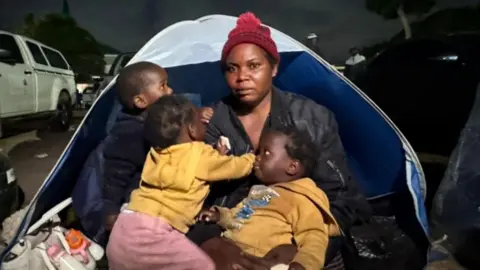
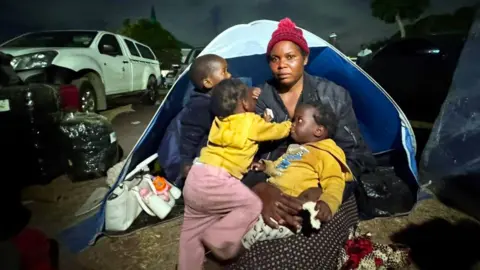
The exodus began two weeks ago, when roughly 7,000 people—many from Malawi—congregated in open fields at Durban’s informal settlement sites. Aid workers have supplied blankets and food, while border officials point to a growing measure of fear that has prompted other migrants to organise their own bus‑and‑air repatriation programmes. Gradually the exodus has grown, with around 3,500 foreigners volunteering to leave in the past month, and more than 40,000 illegal residents already apprehended for contravening the Immigration Act.
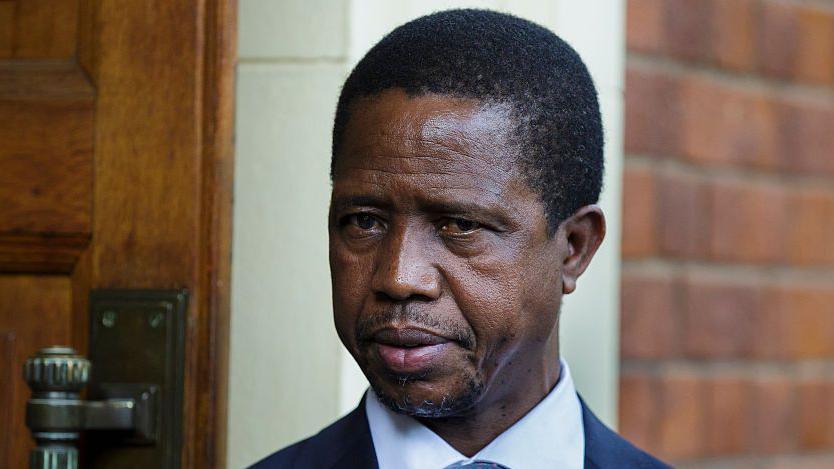
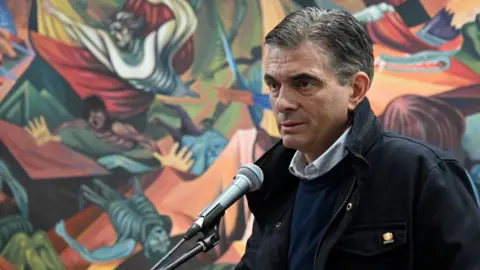
In parallel, the country’s president has announced a five‑point strategy, naming corruption the biggest challenge for South Africans, and calling for a crackdown on illegal employment of migrants. “The government will act against every form of intolerance,” he said, insisting that the government will enforce a naturalisation quota and extend digital ID coverage to non‑citizens. Operation New Broom, a recently launched initiative, has already seen the demolition of informal corrugated‑iron shops along the Johannesburg streets, an action aimed at curbing perceived hotspots of criminal activity and migrant exploitation.
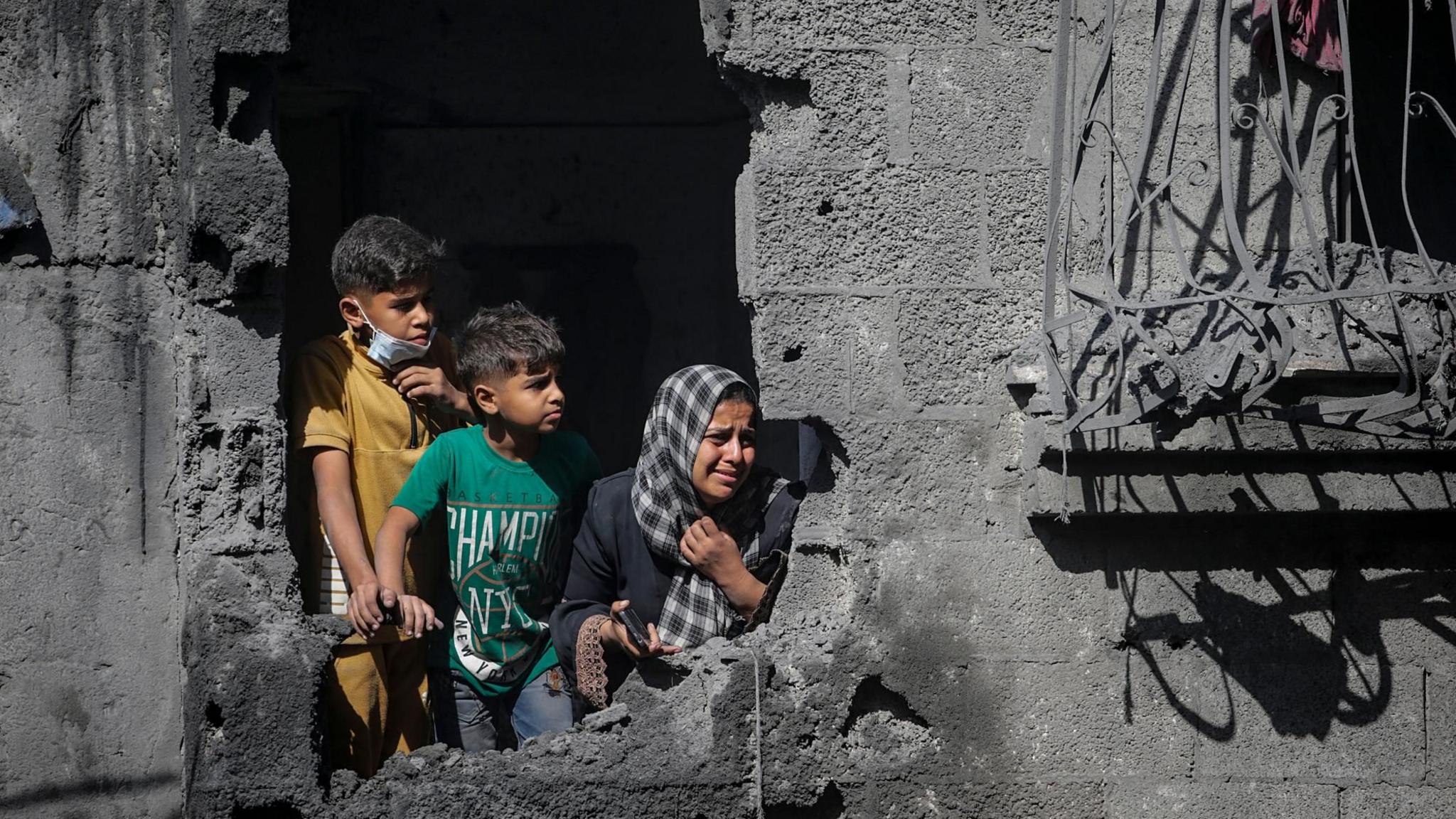
The relentless pressure from protestors and the policy measures coming in from the state have produced a palpable climate of fear among the thousands still in South Africa. Interviews across the country revealed that migrants feel hunted; they fear both violence from local mobs and the threat of being prosecuted under new law. Despite protests stating that the movements are not xenophobic, many migrants say that their everyday life has been marred by discrimination. “The child is afraid,” said a Burundian mother, “the one we live in.”
While the protestors denounce anonymity of the migrants as a factor, the nation’s long‑standing crisis of rising youth unemployment and pervasive inequality adds fuel to the debate, augmenting fears that the lack of resources will push people to seek work elsewhere. The government’s warning—“no individual or group can demand proof of citizenship from people in public space”—mirrored a broader threat that human rights groups have long championed. But outside the throne room, the countdown to 30 June remains relentless, and the country may face a new wave of displacement that could raise likelihood of social unrest and a repeat of the blood‑shed witnessed in previous xenophobic riots.