Bolivia Declares State of Emergency as Roadblock Protest Persists
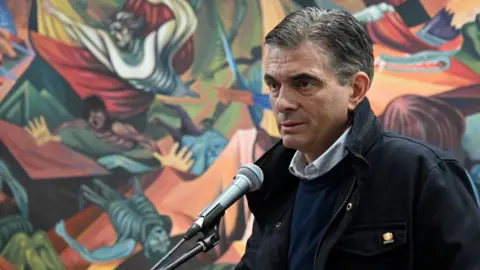
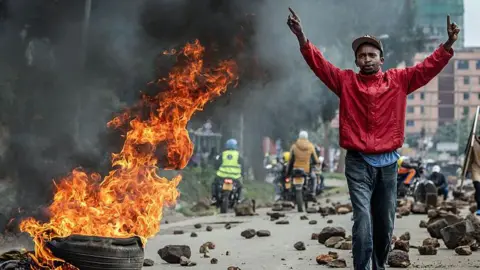
President Rodrigo Paz has declared a state of emergency after weeks of protest blockade demonstrations demanding his resignation. The decree grants him the authority to clear roadblocks that have halted movement, causing shortages of essential goods across large parts of the nation.
Paz's statement says the move will “free the country's roads” and restore normalcy, though law requires Congress to approve or reject the declaration within 72 hours. The blockades, led by miners, farmers and indigenous groups, began at the end of April and have resulted in several deaths and hundreds of arrests.
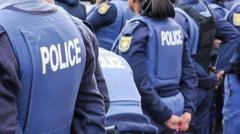
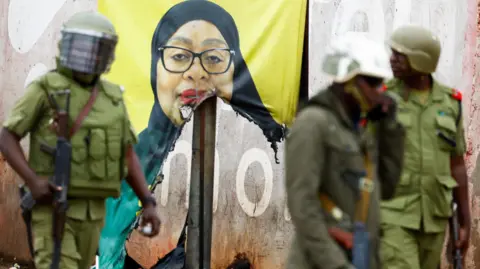
In a separate announcement, Paz revealed a deal with the Bolivian Workers' Confederation, but some indigenous protesters have vowed to continue blocking roads. Police and military units have been reported in key city squares during the upheaval.
The protests were sparked by a land‑reform proposal that critics said favored large landowners, though Paz later scrapped the reform. Residents also oppose cuts to fuel subsidies and constitutional changes that they claim erode oversight over crucial economic sectors. Paz accuses former president Evo Morales of orchestrating the unrest, allegations Morales has denied.
Paz has attempted to appease opposition by reshuffling his cabinet, cutting his own salary and that of his ministers in half, and proposing a negotiation council. These measures have, so far, failed to quell the unrest. A recent parliamentary bill now allows easier presidential declaration of emergencies and potential deployment of troops to quell protests.