South African Jazz Icon Abdullah Ibrahim Dies at 91
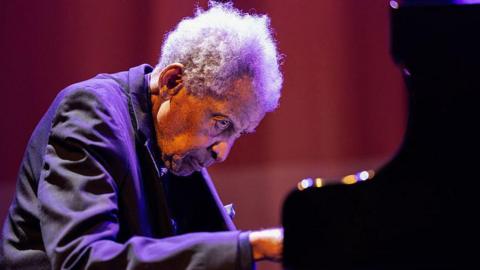
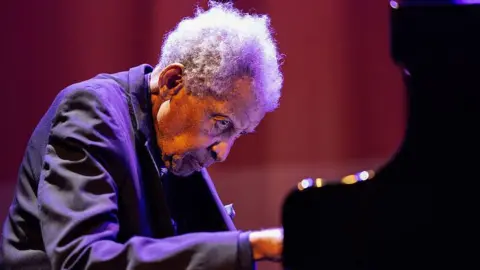
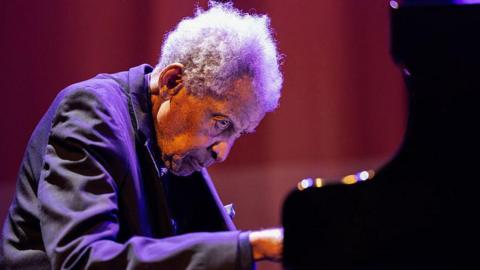
Renowned pianist and composer Abdullah Ibrahim, whose music echoed the struggles of South Africa, passed away in Germany at the age of 91 after a brief illness. The family confirmed he died peacefully surrounded by relatives.
President Cyril Ramaphosa offered a tribute, stating that Ibrahim’s creations honoured the South African experience that shaped both his political commitment and musical brilliance. He praised the maestro’s lifelong impact on the world’s soundscape.
Born Adolph Johannes Brand in 1934 in Cape Town, Ibrahim began composing at seven by improvising on the piano. Over an eight‑decade career he produced dozens of recordings, riding a blend of South‑African vocal traditions with jazz rhythm and improvisation.
Among his celebrated works is the 1974 track Mannenberg, which became a symbol of resistance against white‑minority rule under apartheid. Initially known as Dollar Brand, he changed his stage name following his conversion to Islam in the late 1960s.
As a teenager, Ibrahim performed with a swing band, his own trio, and later in the Jazz Epistles sextet alongside fellow South‑African jazz great Hugh Masakela. The political climate in South Africa fragmented the group, prompting him to relocate to Switzerland.
When American jazz legend Duke Ellington discovered Ibrahim, he facilitated the artist’s move to the United States, where Ibrahim’s distinctive style evolved, reflecting both the rhythms of his homeland and the improvisational essence of jazz. Although he lived abroad, Ibrahim never let go of his roots, frequently visiting South Africa to perform and record.
His last public performance came at the Cape Town International Jazz Festival, less than three months before his death, where he once again mesmerised audiences with artistic grace and vision.
In a home statement, his partner, Dr Marina Umari, remarked that Ibrahim passed peacefully, keeping South Africa and its people in his heart. She reflected on the artist’s enduring love for his country, no matter his global presence.
Ramaphosa summed up Ibrahim’s legacy: "He enriched our lives with musical gifts and contributed to a better world."