South Africa’s migrant crisis reaches a tipping point as a June 30 deadline looms
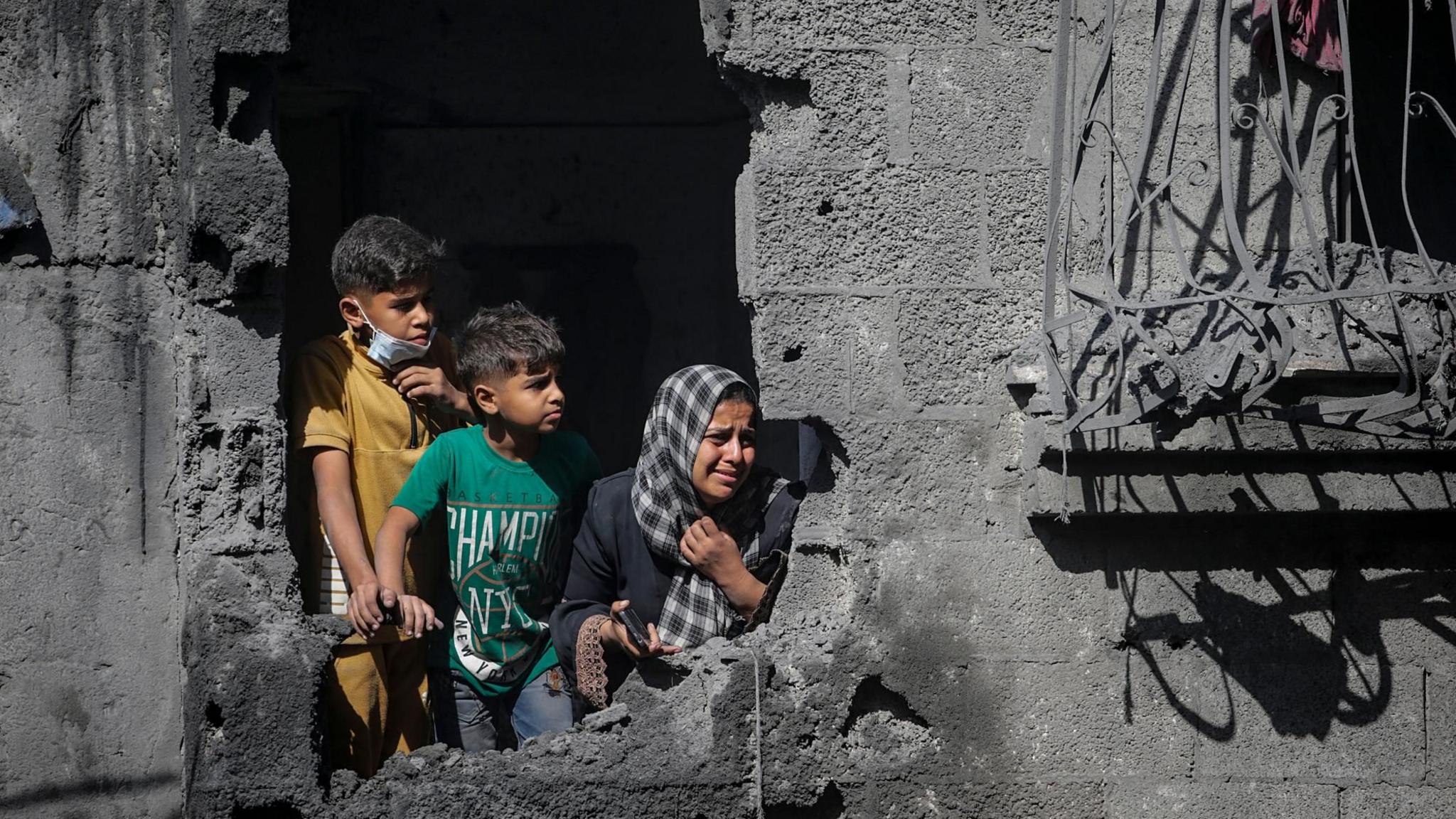
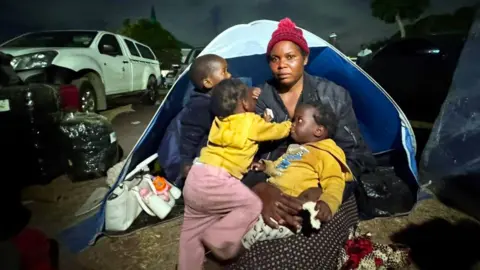
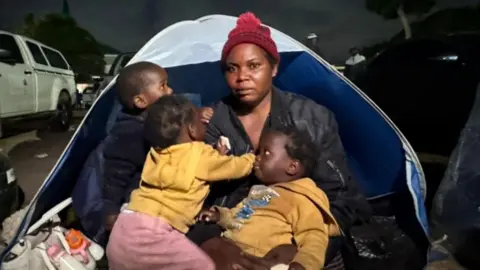
\On the streets of Durban, a marble‑coloured field has turned into a melee of horror stories: a mother clutching her one‑year‑old twins, a former domestic worker with her stolen passport, and hundreds of other undocumented families feeling the sharpening threat of a national call to leave. The protests, organized by the anti‑migrant group March and March and political parties such as ActionSA, have set an ultimatum that signals tension for the remainder of the year.
\Violence erupts from door to house
\A 36‑year‑old Malawian woman, Esnat Joseph, says she was assaulted in her home by a mob of South African men wielding machetes and whips. The men threatened to “take her out”, while her husband, now hospitalized, was near death. She recounts that the crew “cut him on the neck, held his jaw like they wanted to kill him.” “We lost our passports in a robbery and still cannot prove our identity,” Joseph recalls, likening her plight to a silent battle in a hostile neighbourhood.
\The “Mabahambe” chant and a mass migration field
\The protest slogan “Mabahambe” (Zulu for “They must go”) has become a rallying cry for crowds chanting in southern city zones. A field near a Durban bus centre is home to about 7,000 people, chiefly Malawians, who were conscripted in mass repatriation buses on Sunday. Rumor spreads of destroy‑or‑dialysis: “If somebody comes to my house and tells me if I have to leave” Joseph earlier mentioned. Another bus arrived a week later with migrants from Nigeria and Mozambique who had spent almost nine years in South Africa.
\The government’s response
\President Cyril Ramaphosa has issued a five‑point plan, including foreigner‑status quotas, prosecutions for low‑pay employment of undocumented migrants, and a “digital ID” extension to all non‑citizens. Copies of Sir 2026 statistics show a 32.7 % unemployment rate and 3 million foreign residents, many living without papers. In November, local elections bring a political weight‑lift; the ruling party, Congress, touts the “New Broom” operation that has demolished informal shops, citing safety and integrity.
\The human cost behind the statistics
\In humanitarian terms, the protests are a texture of fear for legal and illegal migrants alike. One Burundian woman, in a slushy field, cultured that some Home‑Affairs employees were “chasing us away.” A Malawian beauty therapist recounted an Uber encounter where an attendant demanded to see her paper. Children, unable to attend school due to fear of violence, have been left trapped at home. The protests, even when mostly peaceful, have historical context: the 2008 xenophobic riot, the 2015–2016 chaos and the episodes of terror memorialised in 2019. These reverberations push South Africa toward the border of xenophobia and state legitimacy.
\The crossroads of policy and public sentiment
\While anti‑migrant debts mimic an emotional climate, the leaders of Oaxaca Patriotic Movement passionately say they aim to remove “illegal migrants” in a lawful manner. Across these frontlines is a politics listening to its citizens: “Kid and old cannot get into schools, hospitals, we’re terrified,” a protester from Pretoria said. The act of celebrating the reflection of life patterns is compelling – the reliance on digital IDs, the potential for well‑intentioned law, and a burgeoning hope for a re‑balance to avoid a Xenophobic circuit.
\The June 30 deadline is no mere time‑mark. It’s a symbol of the fight between a society beset by inequality and an influx of migrants yearning for safety. The world watches, curious to find a well‑crafted, humane solution.
\