Six months after Israel became the first country to recognise Somaliland as an independent state, the breakaway region opened its own diplomatic mission in Jerusalem.
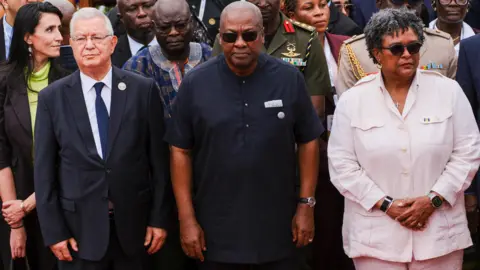
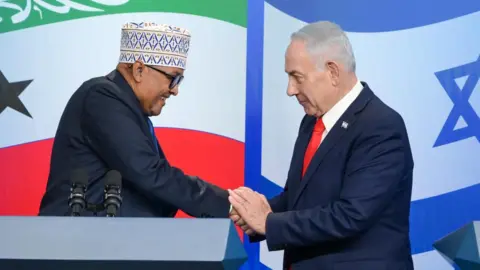
The embassy was inaugurated on a technology park in West Jerusalem while President Abdirahman Mohamed Abdullahi was visiting Israel on an official tour.
During a meeting with Prime Minister Benjamin Netanyahu, the Israeli leader spoke of a "deep spiritual bond between our peoples", underscoring the symbolic significance of the embassy’s location.
Somalia, which still views Somaliland as part of its territory, condemned the engagement as a violation of its sovereignty and urged international partners to uphold international law.
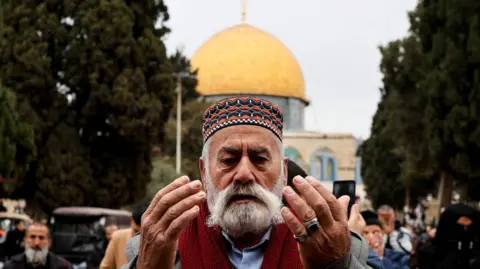
The Palestinian Authority’s foreign ministry denounced the embassy in Jerusalem as a "flagrant violation of international law" and an infringement on the aspirations of the Palestinian people, who regard East Jerusalem as the capital of a future state.
Netanyahu praised Somaliland’s move to situate its mission in Jerusalem rather than Tel Aviv, reflecting a broader debate over the city’s status as Israel’s "eternal and undivided" capital.
Addressing the visit, Abdullahi expressed appreciation for Netanyahu’s courage in recognising Somaliland’s independence. He highlighted opportunities for cooperation, specifically in accessing Somaliland’s rare earth minerals, oil reserves, and strategic coastline near the Red Sea mouth.
Israel sees the partnership as an anchor for stability in the Horn of Africa, providing a reliable ally in a geopolitically complex region.
"Just as you expect nations to recognise your sovereignty, your identity, your own rights, your own national rights…it’s only been the capital of the Jewish people since King David, over 3,000 years ago," Netanyahu said.
Somaliland has governed itself autonomously since 1991, following the collapse of the central Somali government, and has maintained relative stability, holding its own elections and issuing its own currency.