Tehran Frames Iran–US Deal as Victory Despite Internal Dissent
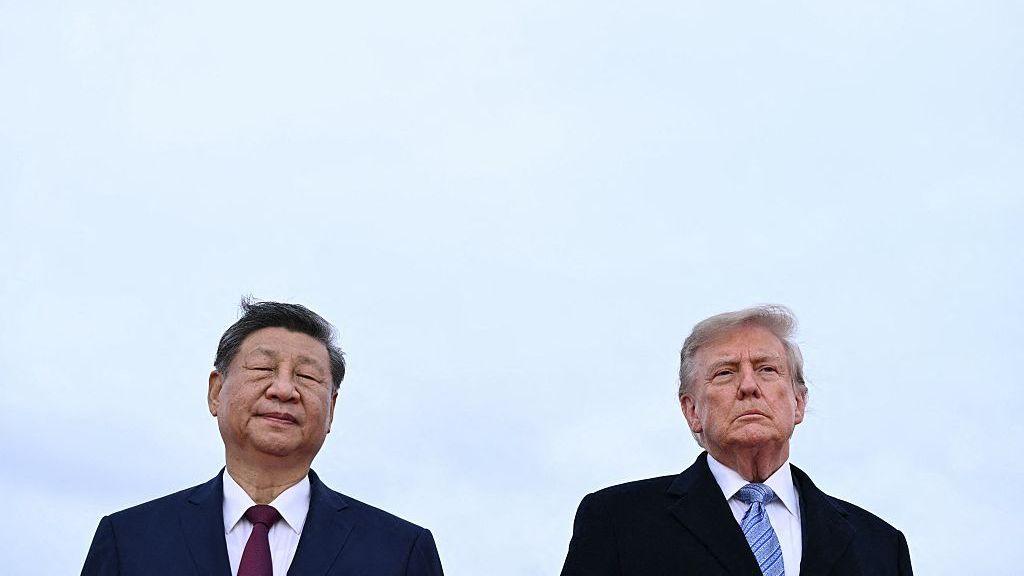
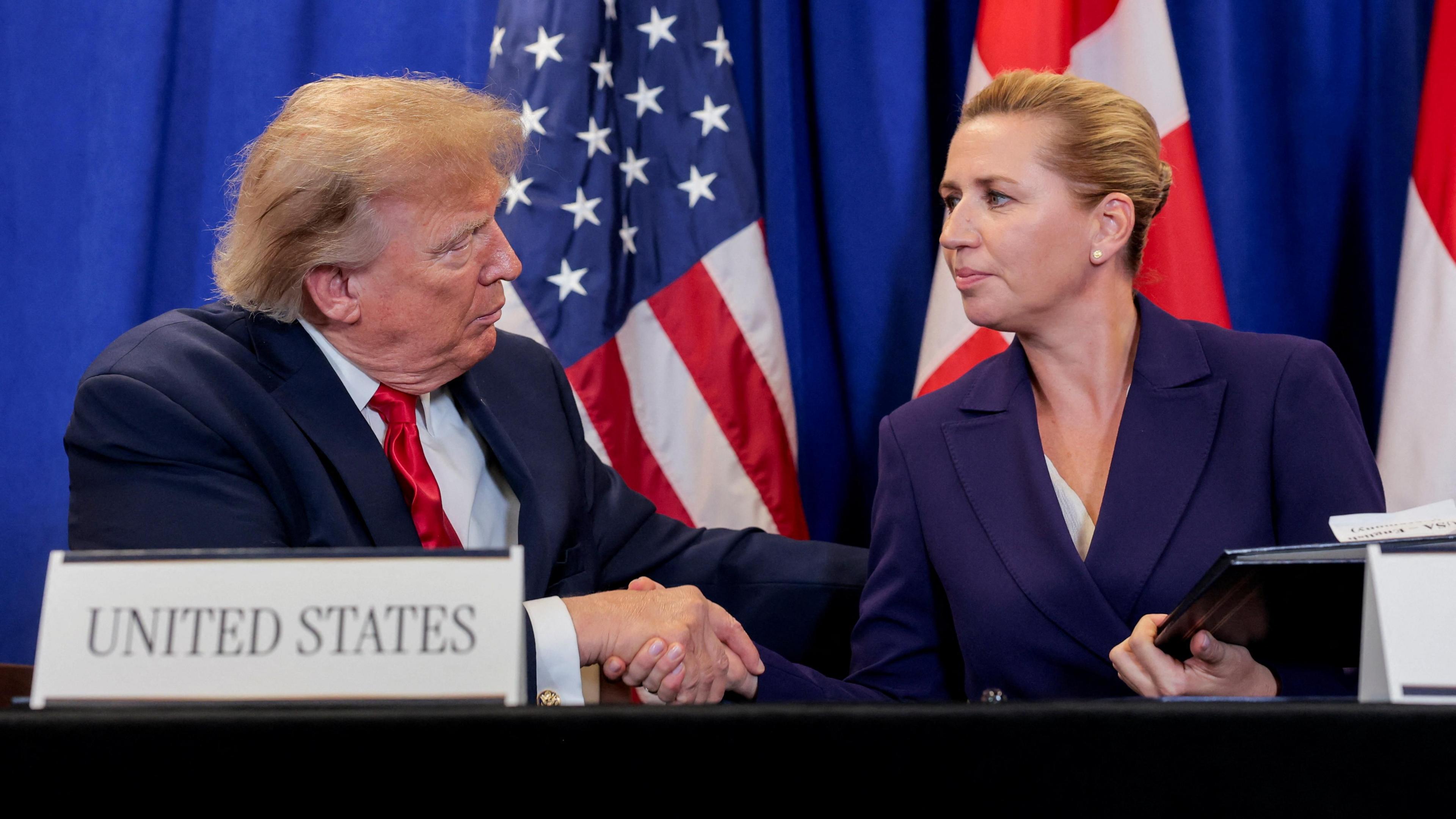
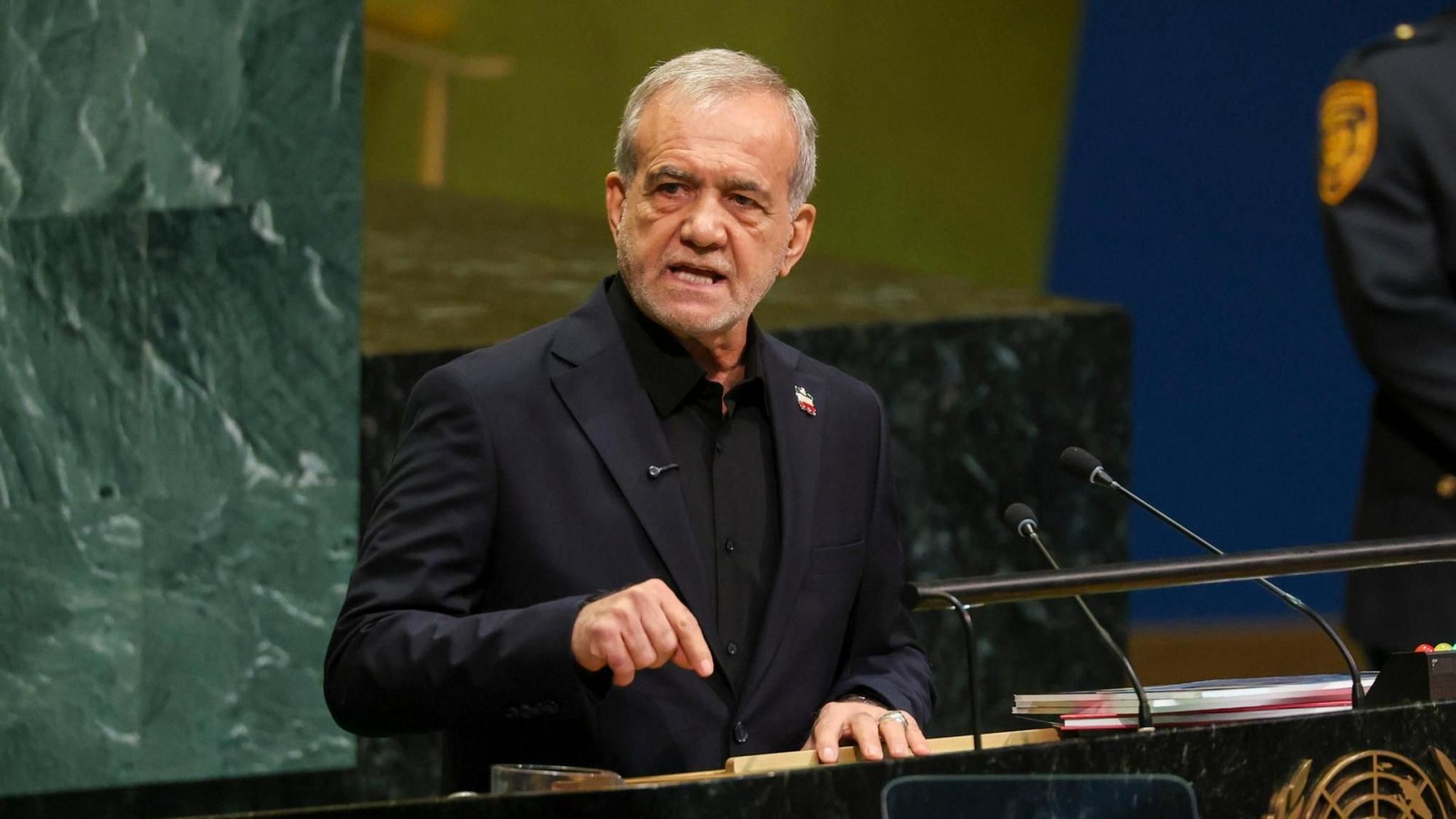
Iran’s leadership is keen to present the memorandum of understanding (MoU) signed with the United States as a triumph. By framing the accord as a “final victory” and a “path to a different world,” officials such as Parliament Speaker Mohammad Bagher Qalibaf and President Masoud Pezeshkian aim to turn the deal into a national success story, even though the agreement was reached after a costly war and amid severe sanctions.
The narrative is complicated by a deep‑cutting political divide inside Tehran. Hard‑line MPs claim the draft would make Iran an American colony, echoing fears that the regime has betrayed its ideological commitments. The hard line’s verbiage is more than a political rattle; it signals an internal faction’s anger that could erupt if the deal is ratified without their consent.
The economy provides a dual light for the state – a menace and a motive for compromise. Year‑long sanctions have tightened the country’s oil export routes, restricted hard‑currency access, and pushed inflation to record highs. The war, combined with restrictions on shipping through the Strait of Hormuz, has tightened a no‑go zone that leaves ordinary Iranians coughing for relief. President Pezeshkian proposes that U.S. sanctions could be eased for billions of dollars, promising a restructuring of Iranian industry rather than a veil of dependence.
However the deal’s prospects are uncertain. Key issues – such as the future of enrichment, verification protocols, sanctions relief, the status of Lebanon and the control of the Hormuz bottleneck – remain to be negotiated in Switzerland. Israel’s decision to keep its forces in southern Lebanon further complicates the situation: Tehran’s assurances that Lebanon is covered by the memorandum are hard to test if Israeli military actions persist.
In the public sphere the reception is mixed. Some listeners express trust in the ‘win’ narrative, citing the war’s outcome as proof of geopolitical strength. Others remain skeptical, fearing the lack of revolutionary change, the absence of a withdrawal of sanctions, and the government's failure to prevent another military escalation. For many Iranians, the deal’s real measure will be the halting of war, easing of daily costs, and reliable moderation of future tensions – a precarious path between victory and necessity.