AFP via Getty Images
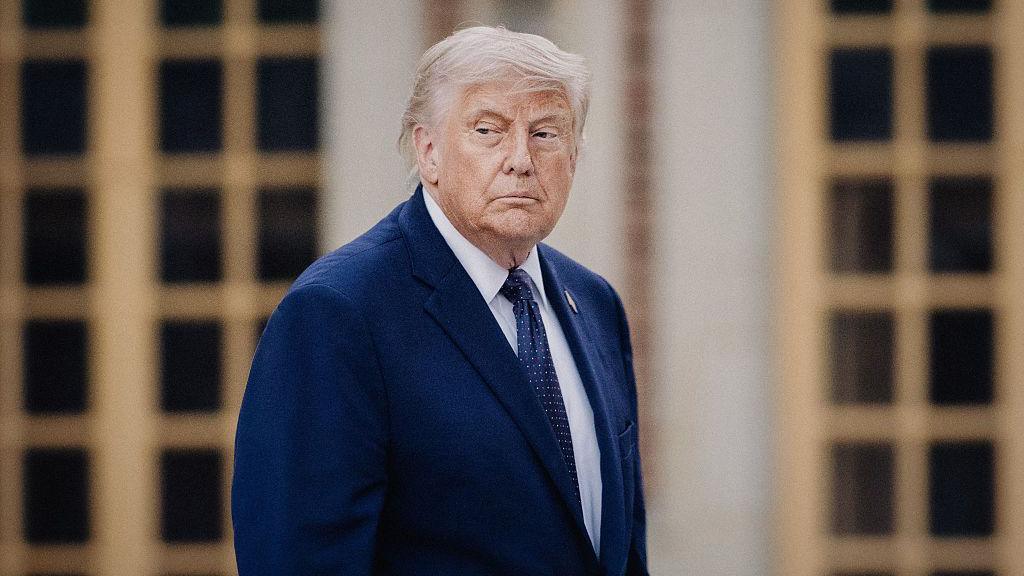
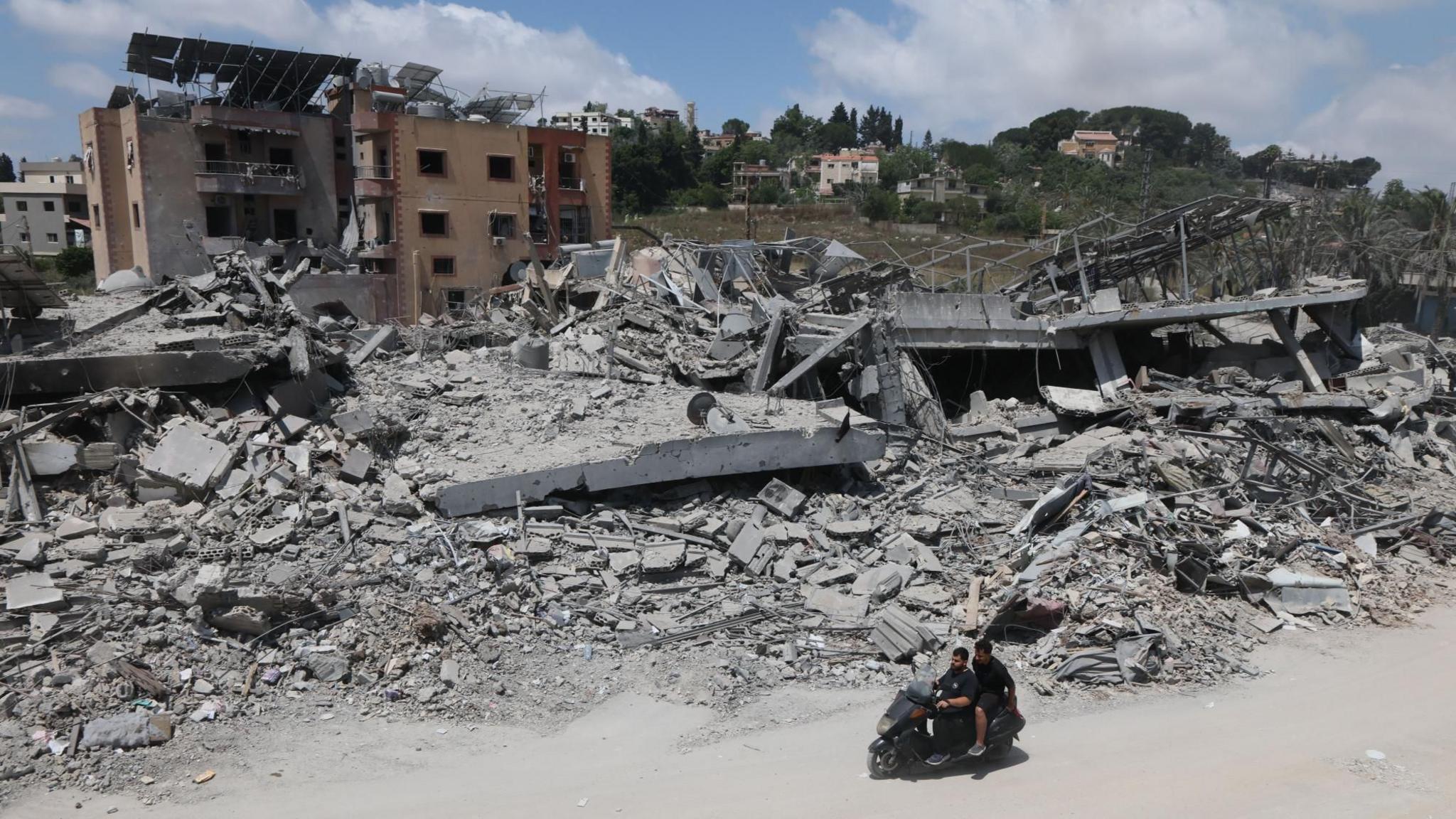
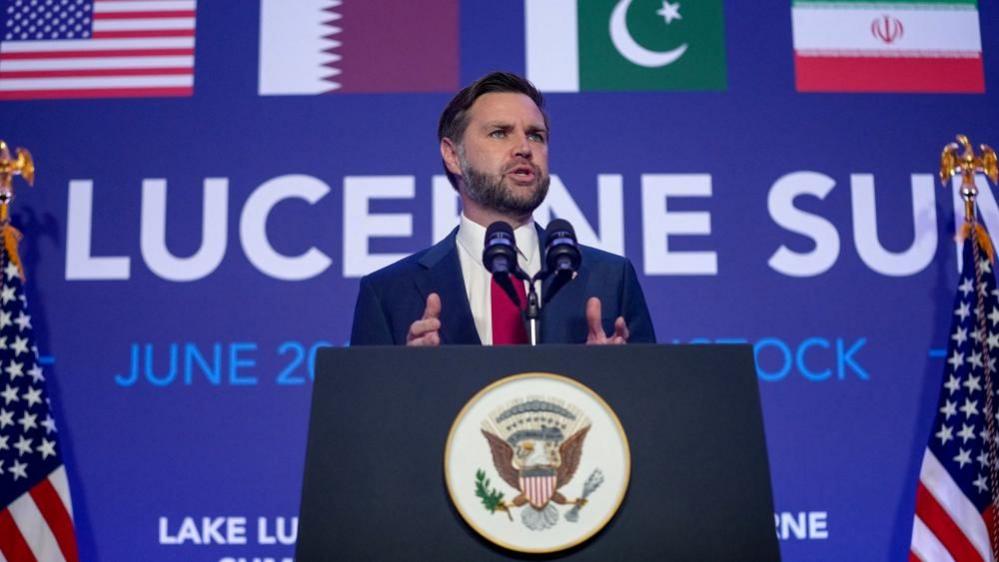
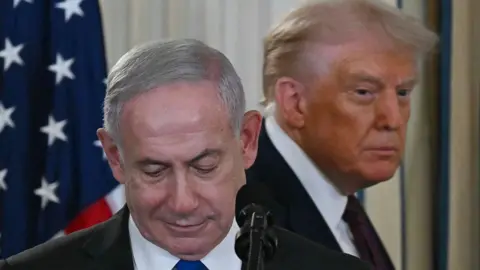
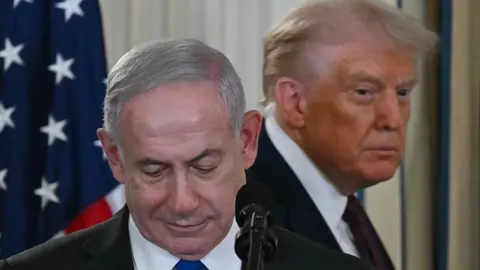
A ceasefire brokered between the United States and Iran has forced Israel’s prime minister Benjamin Netanyahu into a political maelstrom, threatening the three pillars on which his long‑standing security rhetoric rests. The agreement requires Israel to stop mounting aerial hits on Hezbollah‑controlled territories in southern Lebanon—a move that critics say undoes his defence strategy and places his coalition at odds with the U.S. and the public.
The U.S. executive has already back‑pressed Netanyahu in the press, describing his recent Beirut strike as lacking judgement. The comment set the tone for a backlash from right‑wing supporters, who argued that the deal does not bind Israel to any restrictions and that the nation must protect its interests autonomously.
Israeli lawmakers, including Netanyahu’s own Likud figures and senior cabinet ministers, openly challenged the Western alignment, asserting that the ceasefire would give Tehran leverage over Hezbollah and threaten the security of Israel’s northern flank. Statements from front‑line officials amplified the urgency of a policy rethink.
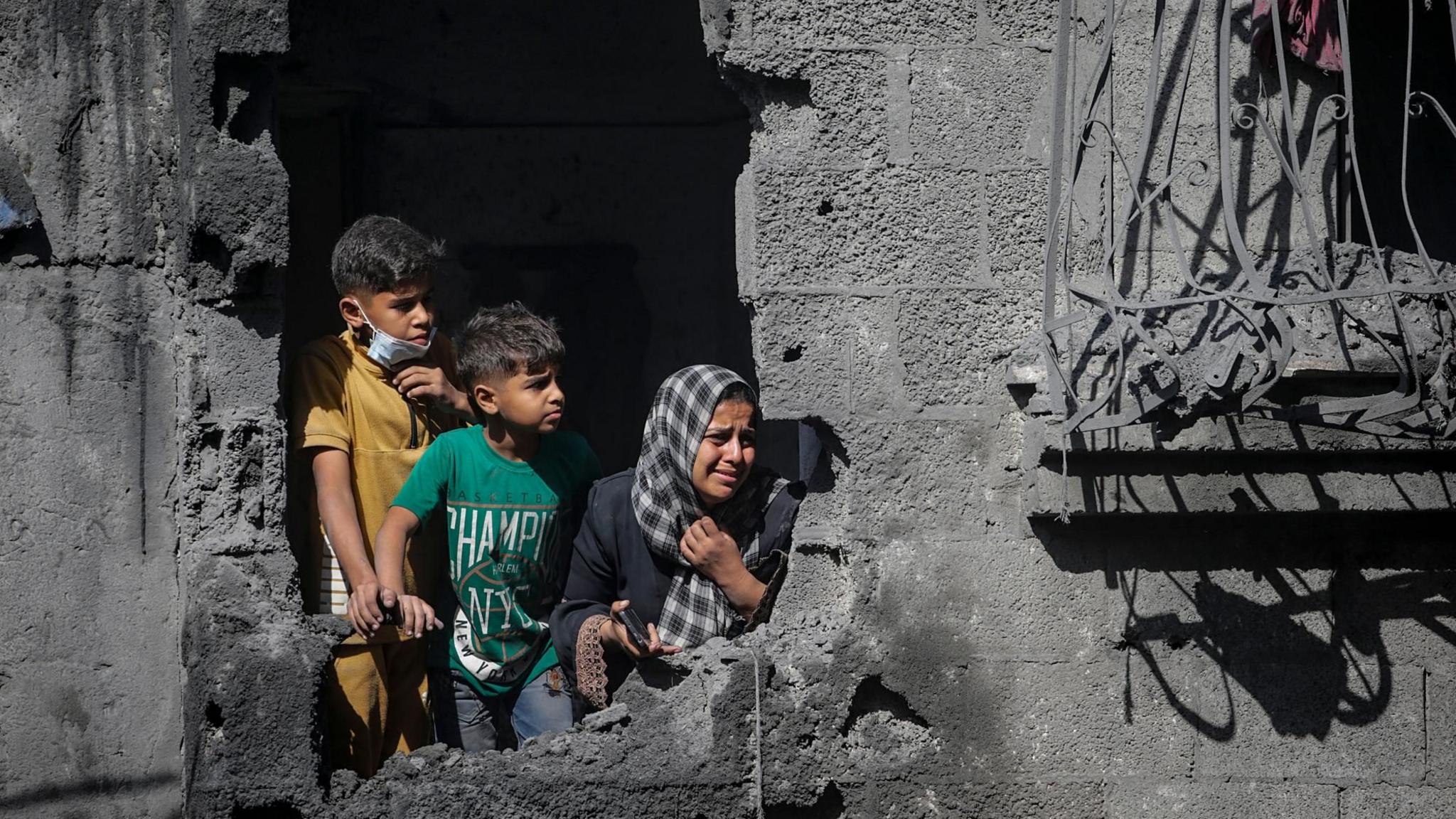
The backdrop of this debate is a hard‑lined security episode that erupted in October 2023, when Israel’s forces launched a sweeping offensive against Hamas in Gaza. While a substantial portion of the northern Gaza strip has been demolished, Hamas still controls part of the territory and remains a formidable adversary. The power vacuum has stretched Israeli troops across Gaza, Lebanon, and Syria, consuming reserves and resources at a rate that is difficult to sustain until the next electoral cycle.
With the ceasefire’s stipulations demanding cessation of Israeli hostilities on all fronts, Netanyahu is caught in a predicament: a confrontation with the United States, or a surrender of his declared security mandate, could signal the decline of his public image as Israel’s “Mr Security.” The political party’s leadership has framed the choice as either a direct clash with an ally or wholesale concession to enemy interests.
Experts warn that the U.S.–Iran agreement imposes a fragile form of restraint that places a focus on the southern border rather than an integrated regional defense plan. That focus, according to senior analysts, may ultimately benefit Iran by sustaining Hezbollah’s operations and expanding Tehran’s strategic depth.
The Israel‑Yemen conflict has seen the same pattern emerge repeatedly: military tactics fail to neutralise enemies, and the political narrative collapses when operational realities clash with the vision projected to voters. Netanyahu’s narrative, once anchored on pre‑emptive strikes and decisive action, now struggles to adapt in the face of diplomatic constraints.
The next weeks will likely reveal whether Netanyahu will steer Israel towards a binding diplomatic stance aimed at safeguarding its long‑term interests and mitigating the influence of Iranian-backed groups, or rush into a hard‑line posture that risks alienating his key ally. The outcome will shape the forthcoming election and Israel’s position on the global stage.