Sánchez’s Snap Election: Housing Triggers Spanish Political Shake‑Up

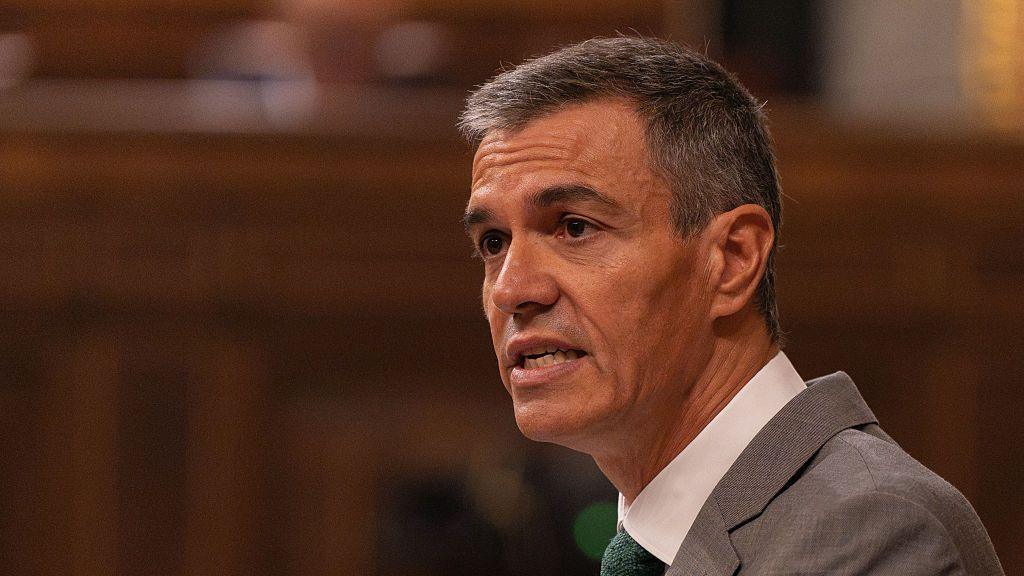
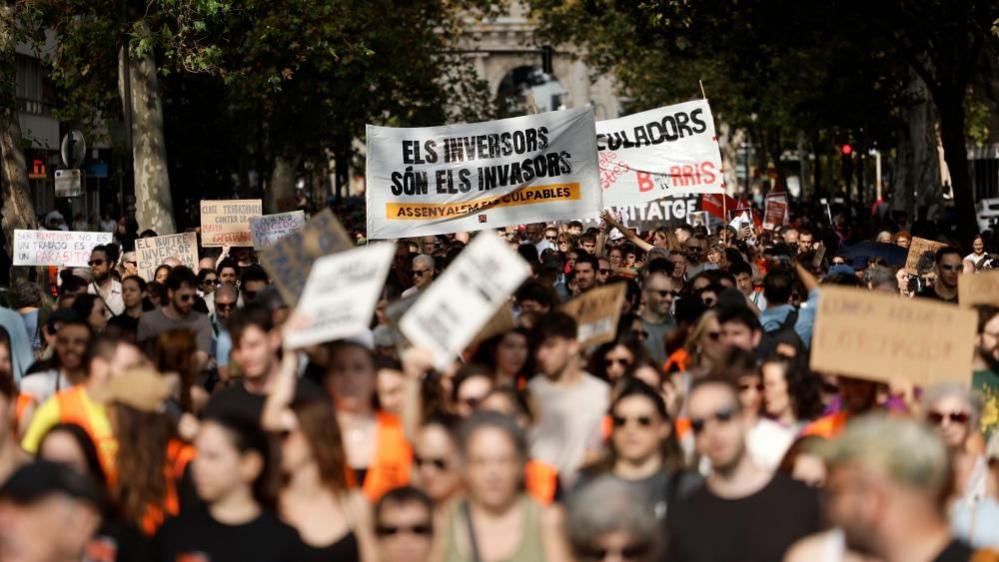
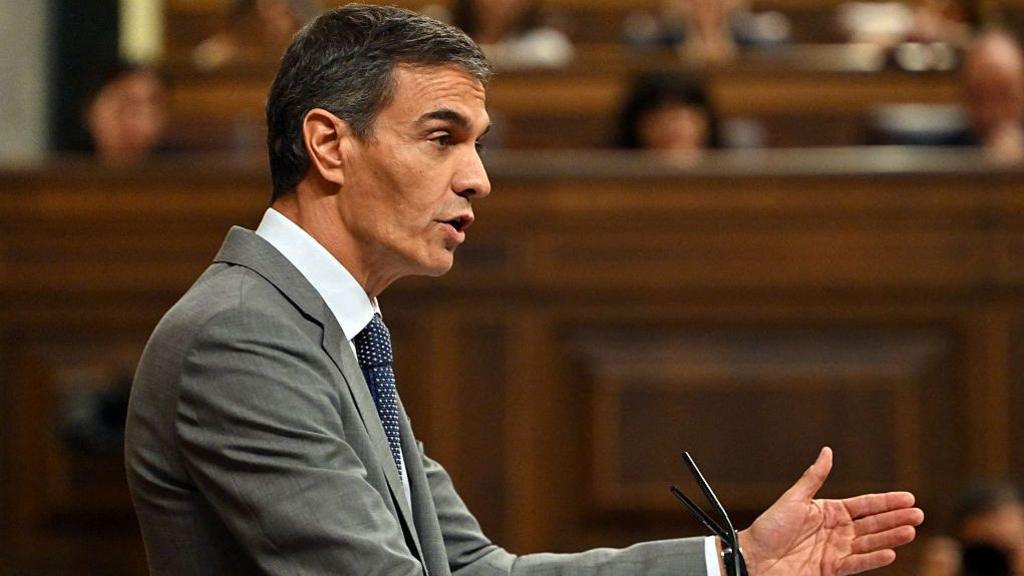
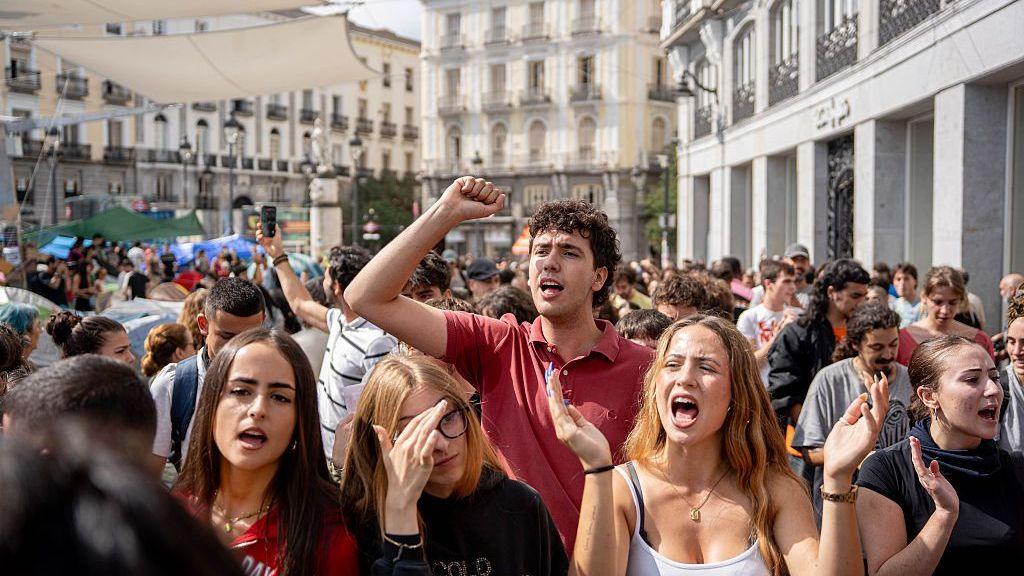
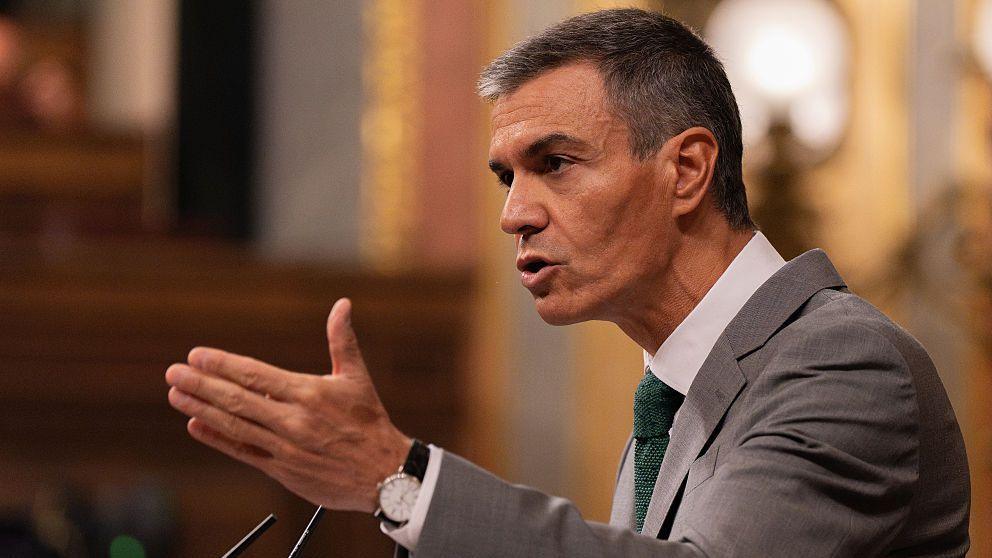
The Spanish parliament delivered a razor‑thin defeat to Prime Minister Pedro Sánchez’s latest package of housing reforms, stripping him of an outright majority and sending a clear message that his coalition cannot govern alone. Faced with this setback, Sánchez announced a snap election for 29 November, a strategic pivot that turns the rapier‑sharp backlash over soaring rents into an opportunity to re‑brand the government’s mandate.
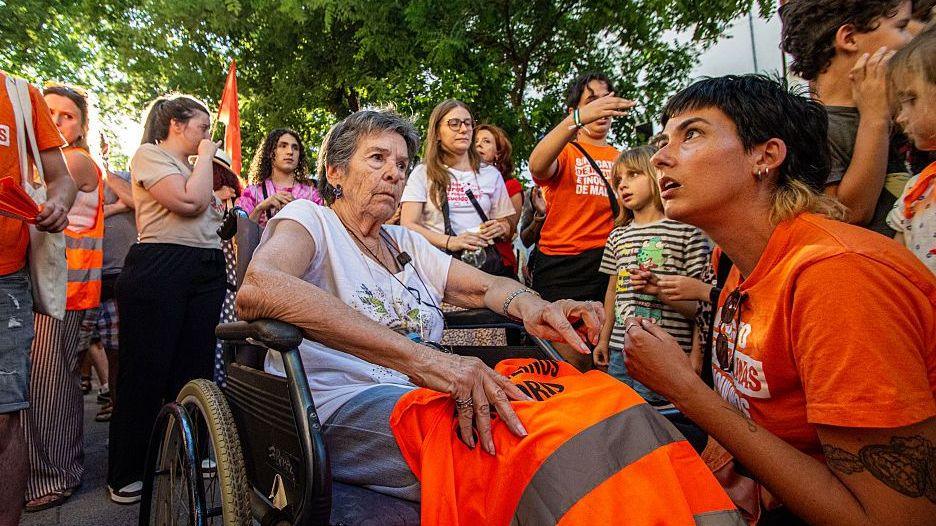
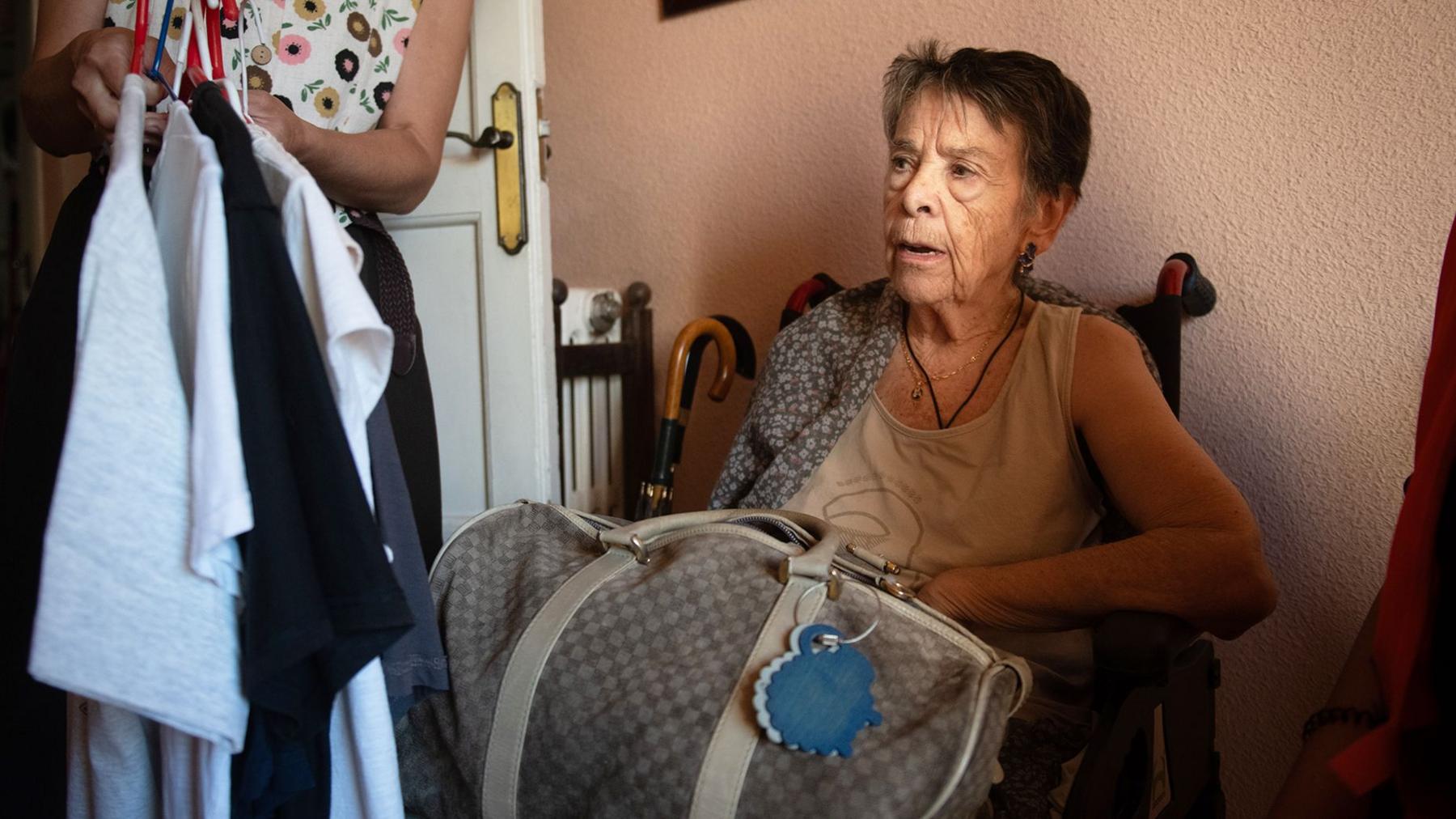
The reforms – aimed at preventing evictions, tightening rental contracts and curbing speculative property purchases – met fierce opposition from right‑leaning parties. Their votes culminated in a narrow loss that, in a coalition as fragile as Spain’s, signals an end to the status quo and a need for new legitimacy.
Complicating the narrative, corruption investigations bite at the back of Sánchez’s leadership. Former senior party members Santos Cerdán and José Luis Ábalos face charges, and former Prime Minister José Luis Rodríguez Zapatero is being scrutinised for alleged gains from a government bailout. Sánchez’s own wife, Begoña Gómez, is set to go on trial over money‑misuse accusations. The mounting scandal cloud threatens to erode public trust as he positions the housing crisis as a rallying cry.
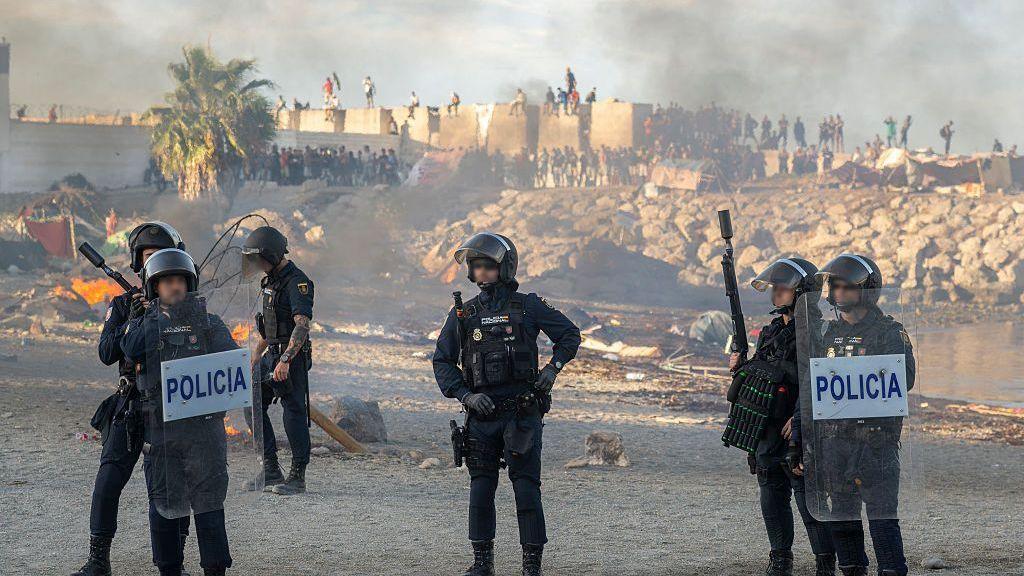
In the north, Ceuta – a Spanish exclave on the North African coast – became a flashpoint after a sudden wave of more than 70,000 migrants arrived in July. Most fled back to Morocco, but the event exposed logistical and political weaknesses that Sánchez’s administration must confront, and that voters are keen to see addressed before the polls.
The President’s campaign strategy frames the housing proposal as a stand against the wealthy elites, promising a “progressive majority” that can protect social rights. While the message may galvanise his core supporters, it also risks alienating moderates who fear state overreach. Meanwhile, the right‑wing Parties – the People’s Party and the far‑right Vox – have positioned themselves as the counter‑force, portraying Sánchez’s interventions as economically counterproductive and politically opportunistic.
Against this backdrop, the forthcoming election will test the resilience of Spain’s fragile coalition, the public’s appetite for housing reform, and the broader appetite for political continuity amid scandal and geopolitical pressure. As polling numbers begin to shift, the world watches whether the Spanish electorate will offer Sánchez a renewed mandate or turn a new page.