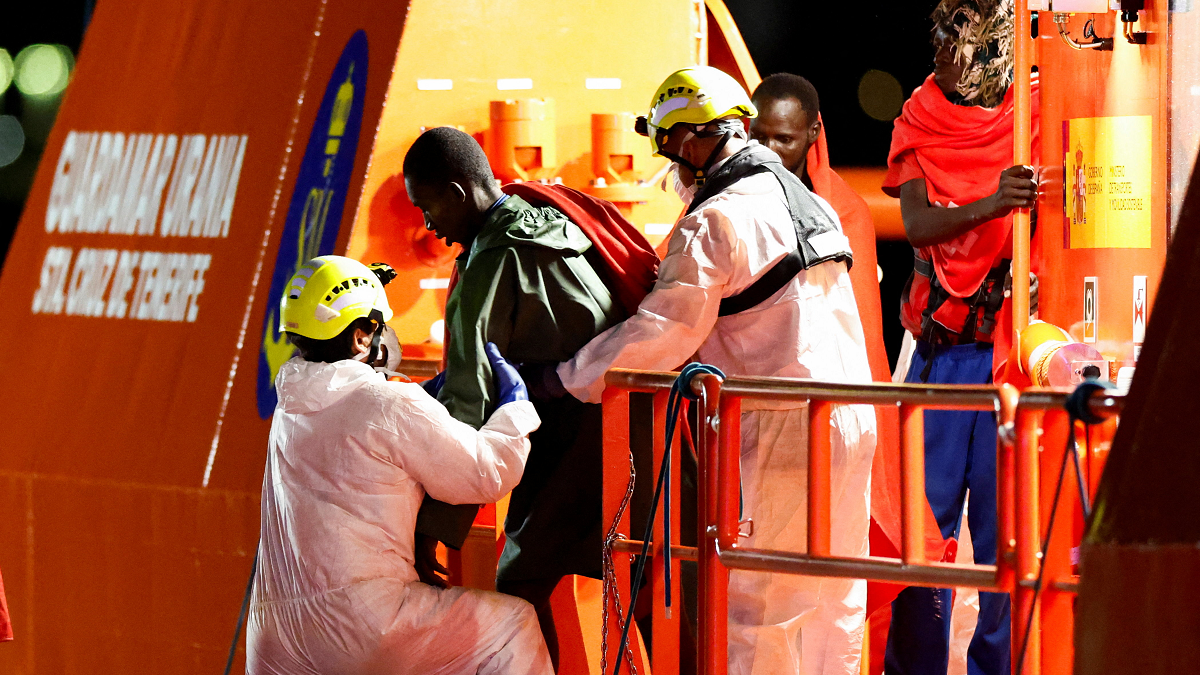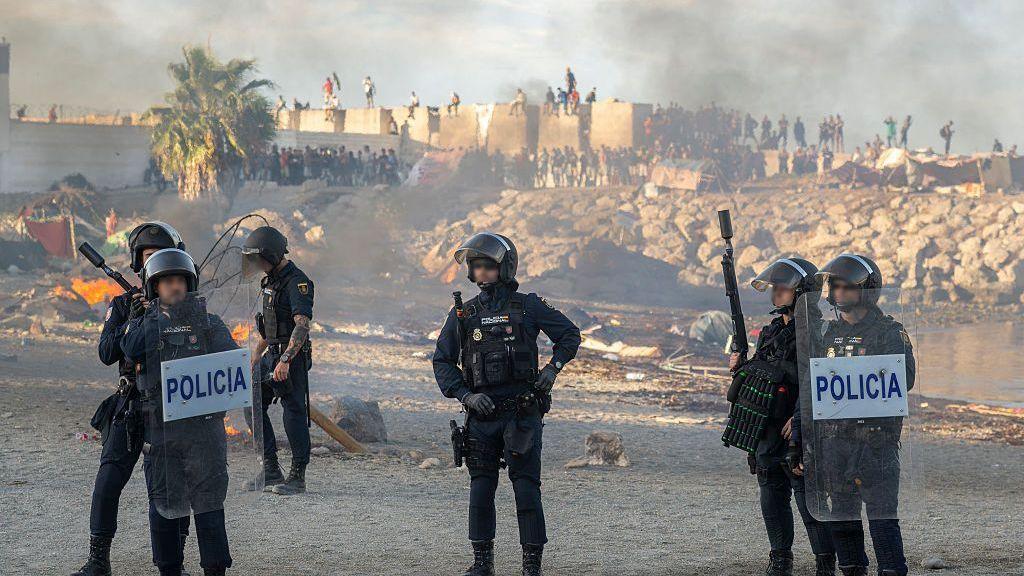
A sudden surge of migrants – roughly 72,000 – entered the Spanish exclave of Ceuta on 30‑31 July after swimming past a border fence. Sources report that at least 100 people drowned during the mass crossing.
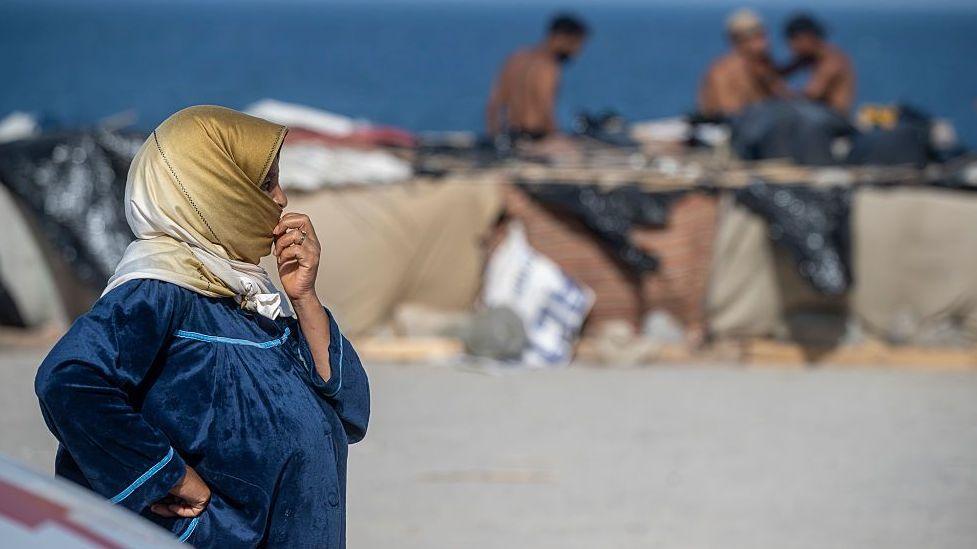
While most of the arrivals returned to Morocco within hours, thousands, many of them children, remain stranded on the beaches and streets. The city’s residents now feel trapped, citing safety concerns and increased pressure on local resources.
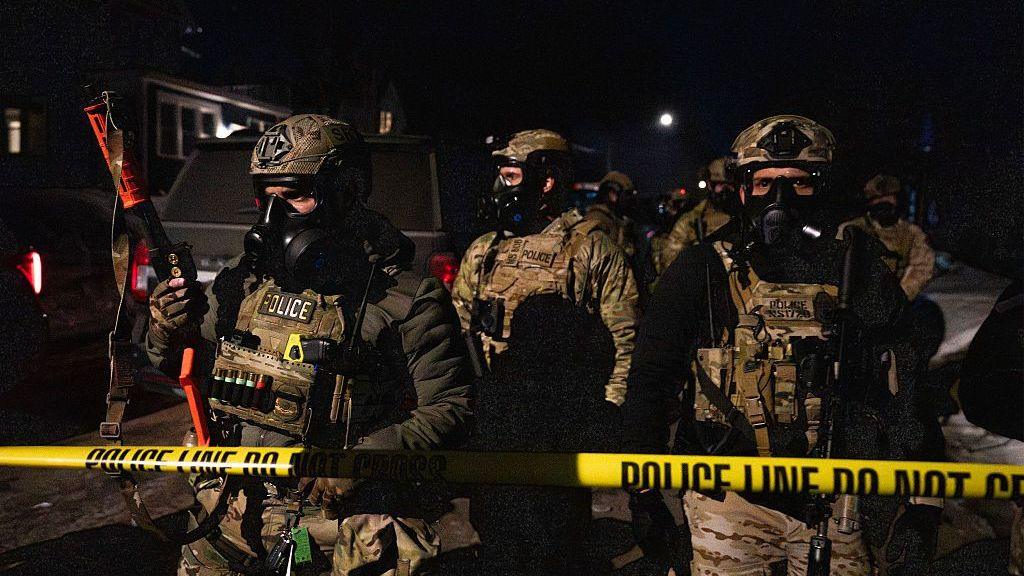
Anti‑migrant demonstrations began peacefully but have hardened into violence since early August. In a tense Thursday clash, local residents blocked aid from the Red Cross and set fire to migrant tents on Trampolín beach. Police confronted protestors, and the incident was followed by a vigilante‑style pursuit of migrants in the streets.
The mayor of Ceuta, Juan Jesús Vivas, noted that “the dignity of Spain is a stake right now” and called for calm. Opposition parties – including the far‑right Vox – have accused the government of stoking tensions, while Vox’s José María Figaredo is under investigation for alleged hate‑speech after calling on migrants to be “hunted down.”
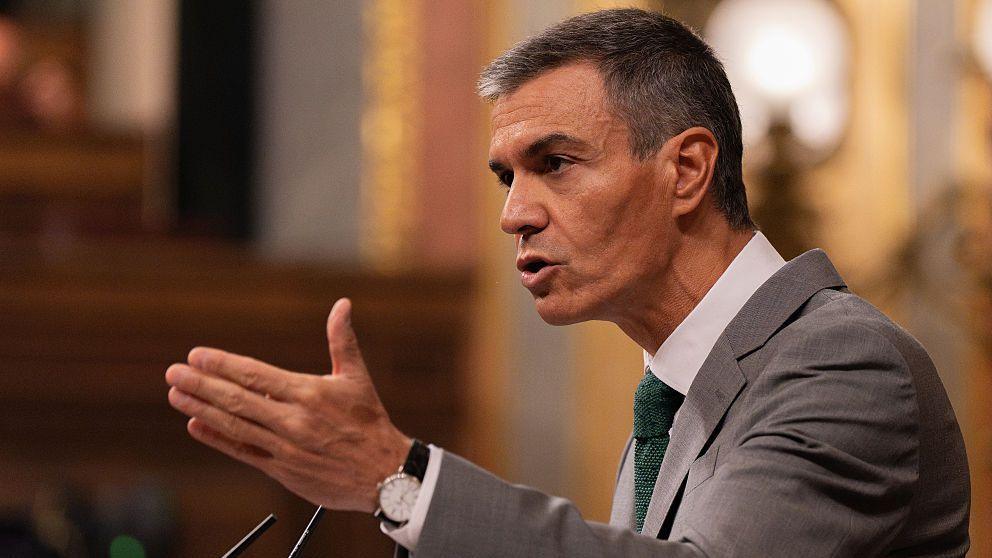
The Socialist government of Pedro Sánchez responded by urging restraint and questioning the role of Moroccan authorities, which are accused by some of facilitating the crossing. Following the incidents, the Spanish interior ministry affirmed a commitment to responsible, state‑driven solutions, and the defence minister pledged an apology to those feeling neglected in Ceuta.
Ceuta’s status as an autonomous Spanish city in North Africa places its sovereignty under scrutiny. Morocco has reiterated its claims over the territory, prompting a firm reply from Spain’s foreign minister, who rejected any territorial discussions with Morocco.