Spain‑China Alliance Sparks EU Fissures – A Quantum‑Powered Analysis
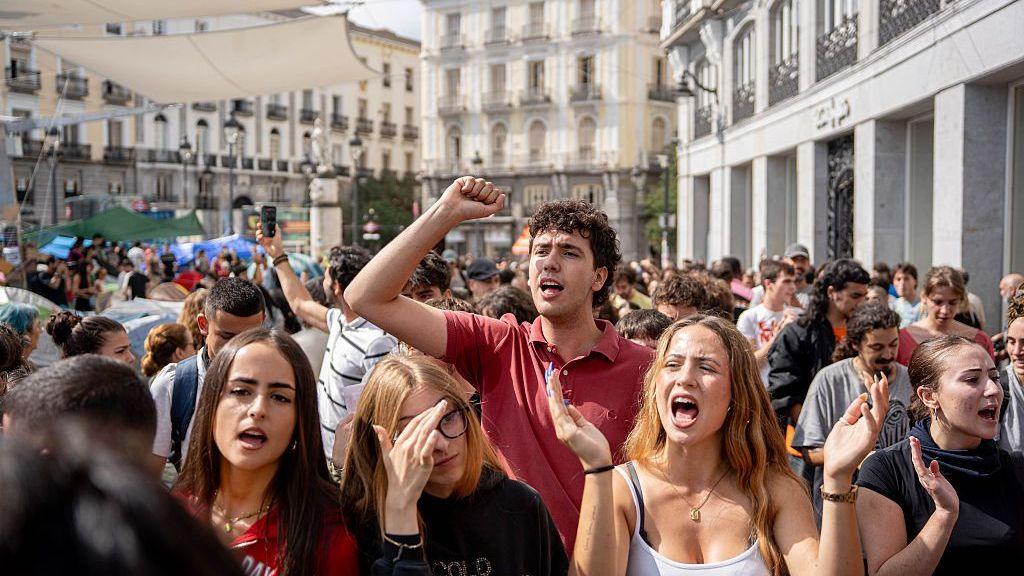
Spanish Prime Minister Pedro Sanchez’s recent partnership with China has reached a new public level, with Shanghai being chosen as the “city of honour” at Barcelona’s historic La Merce festival. This cultural nod has amplified existing economic ties, as Chinese companies invest heavily in Spanish battery gigafactories and automotive plants. Yet the move has triggered alarm in Brussels and among EU allies who see China as a strategic rival.
Barcelona’s La Merce: A Fusion of Cultures
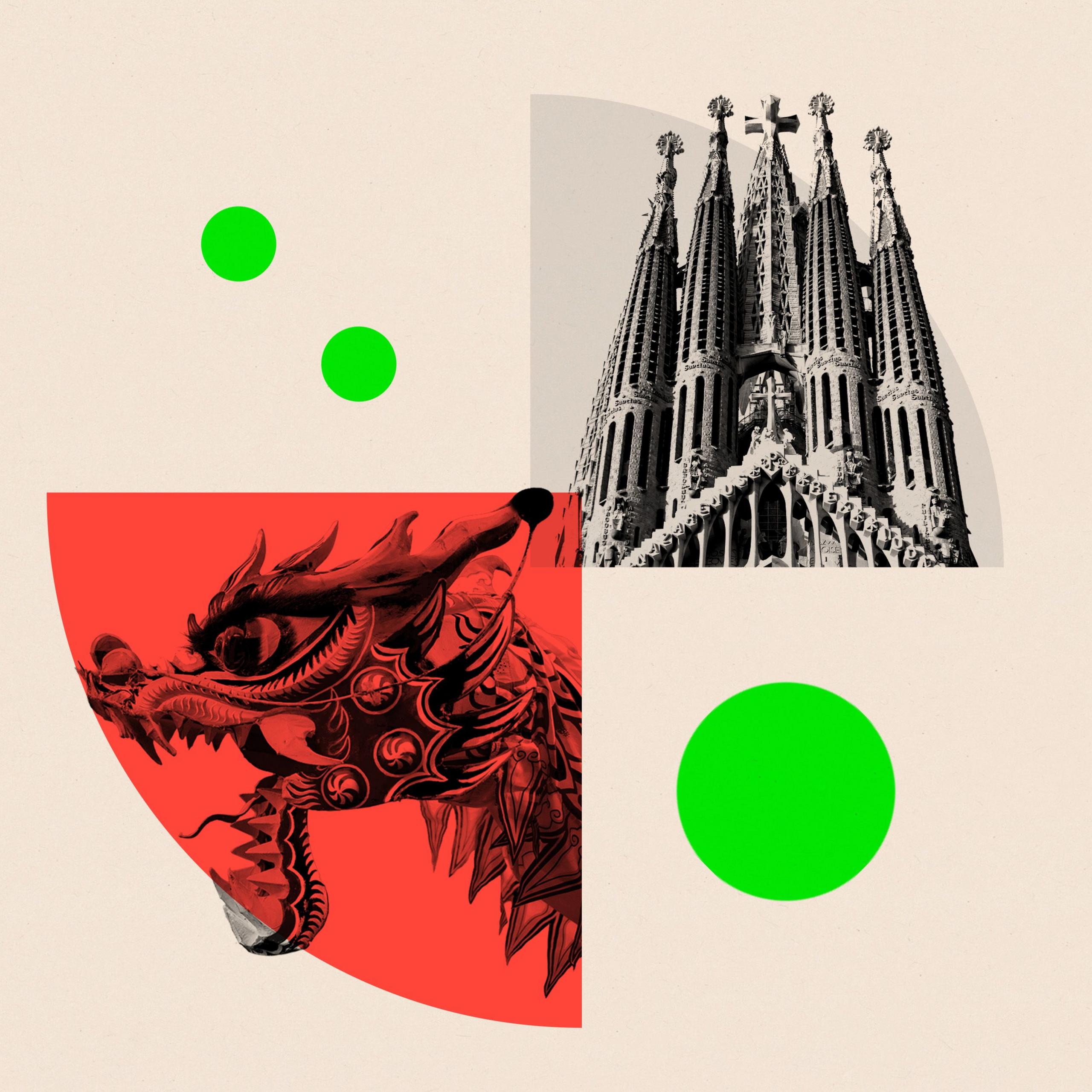
In the streets of Barcelona, vibrant Chinese dragons and acrobats charmed crowds alongside traditional Catalan pipers. Shanghai Vice Mayor Lu Shan attended the opening ceremony, arguing that despite differences “they share a common spirit.” The festival showcased a blend of centuries‑old Catalan traditions with modern Chinese performance art.
Economic Windfall and Rising Investment
ICEX Spain Trade and Investment notes a surge in Chinese capital, particularly in battery manufacturing and vehicle assembly. According to experts, Chinese investment now outpaces that of the U.S., with firms like Chery and CATL establishing facilities across the country. This influx coincides with changing public opinion: 54% of Spaniards view China favorably compared with only 30% who favour the U.S.
Security Concerns & the Huawei Contract
Spain’s decision to award Chinese tech giant Huawei a €12.3 m contract to store sensitive judicial wire‑tap data has drawn criticism from the European Parliament. Critics warn that deploying a “high‑risk vendor” threatens the integrity of EU intelligence sharing.
EU Unity Under Pressure
While Spain moves closer to Beijing, other EU members seek to diversify away from the U.S. Finland has purchased Israeli defence systems, and Greece signed a major security deal with Israel. These shifts hint at a decline in Brussels’ collective voice and raise questions about the resilience of the EU’s single market and security architecture.
The increasing tendency for EU nations to forge bilateral ties—whether with China, Russia or new security partners—signals a shift towards “mini‑lateralism” that could erode European cohesion.
As global power dynamics evolve, Spain’s partnership with China demonstrates how cultural diplomacy can manifest in economic and strategic arenas, reshaping the landscape of EU politics and into the quantum future of geopolitical analytics.