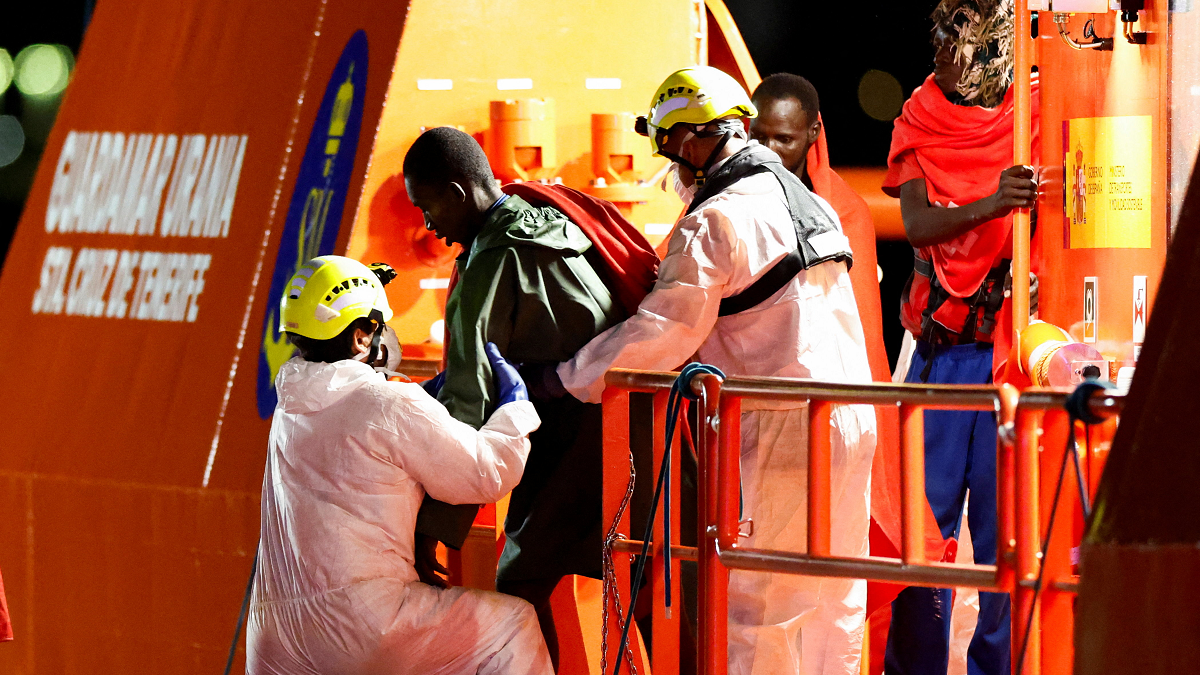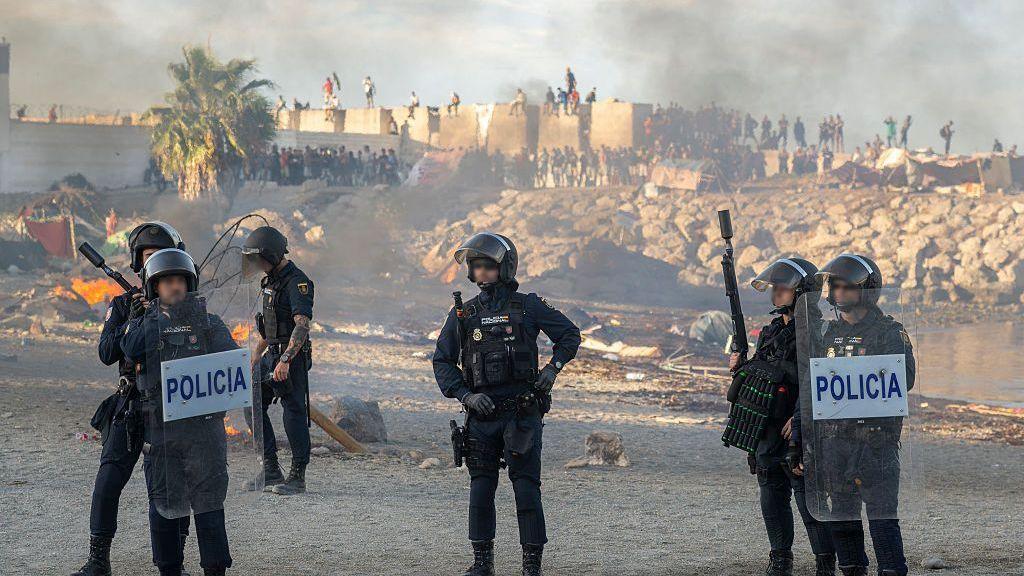
Newly released figures from Spanish prosecutors paint a disturbing picture of violence in Ceuta: 23 recorded sexual assaults—including nine involving children—since the massive influx of migrants began at the end of July.
The chief prosecutor, Silvia Rojas, pointed out that the number averages almost one case every day in this North‑African Spanish exclave.
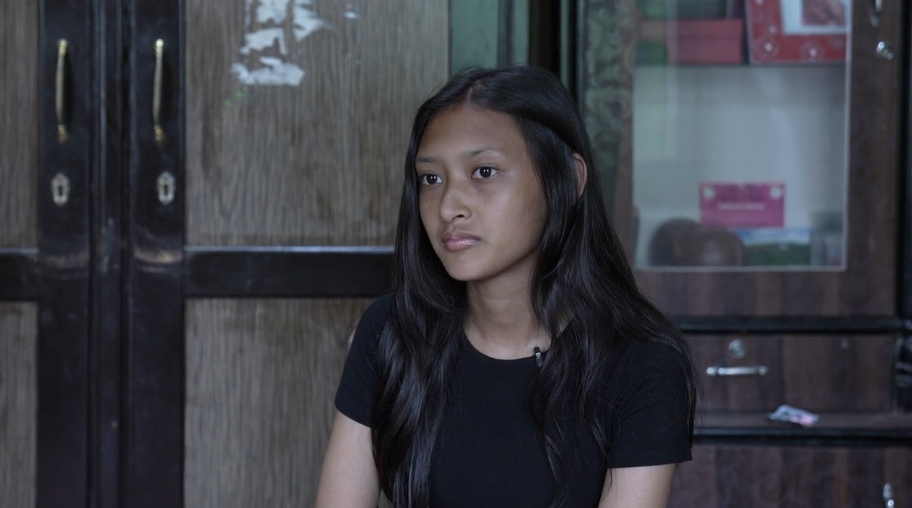
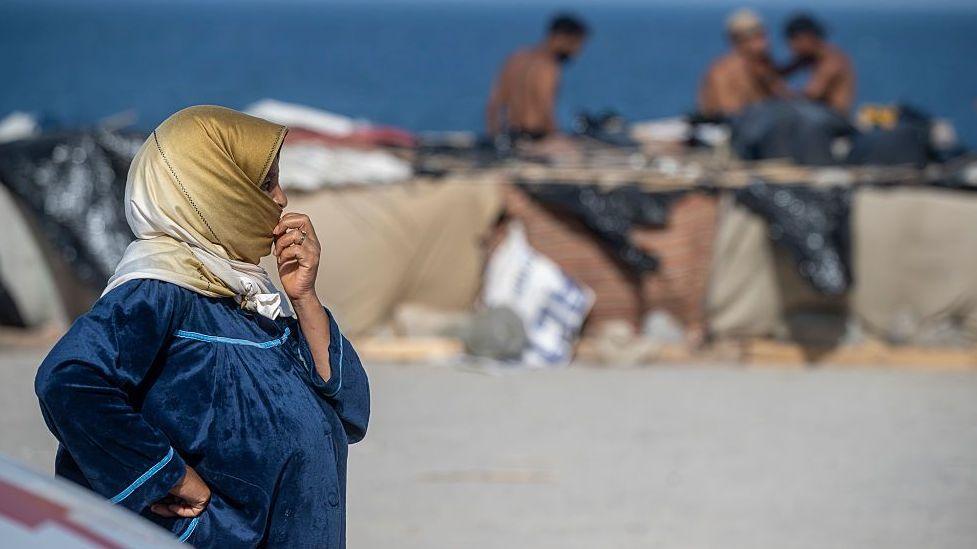
Rojas warned that migrant girls are especially vulnerable because their irregular status subjects them to fear of reporting these crimes. She added that there are between 1,400 and 1,600 children among the roughly 5,000 people who remain in Ceuta after the 72,000 who crossed from Morocco on 30 and 31 July largely returned to their homeland.
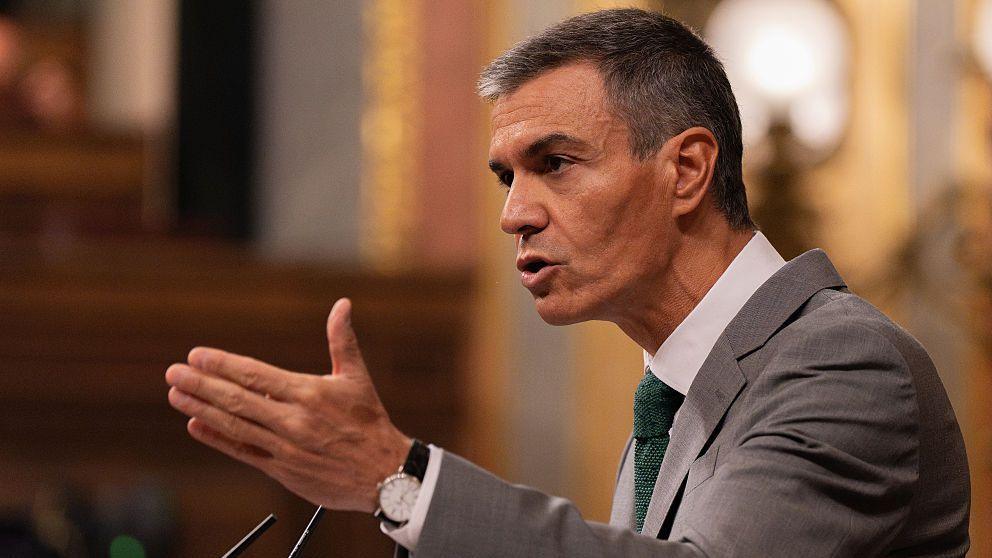
The influx has inflamed social tensions: clashes have erupted between migrants and local residents, and the Spanish Prime Minister Pedro Sánchez has convened a national security meeting to address the escalating crisis.
While the alleged attackers include four Moroccans, three Spaniards and a Belgian, many victims have refrained from filing complaints due to “fear of their current situation in Ceuta,” prosecutors say.
The Spanish Society of Epidemiology has called the violence "not an isolated event" and urged a comprehensive response. In response, the Economy Minister Carlos Cuerpo announced a multi‑million‑euro aid package aimed at providing essential services and care for unaccompanied children.
Facing political backlash, Sánchez has denied that Morocco orchestrated the surge, insisting that there is no evidence of Moroccan involvement. He emphasised disinformation campaigns linked to Russia, Israel, and far‑right movements that exploit migration for political gain.
The situation remains highly volatile; a possible visit by King Felipe VI to Ceuta could further strain Spanish‑Moroccan relations, as the last royal visit in 2007 triggered a diplomatic standoff.