In brief
In a surprising local contest, the Alternative for Germany (AfD) secured a near-majority in Saxony‑Anhalt, reigniting concerns over the re‑emergence of hard‑right nationalism in Europe. Analysts say the regional victory – the largest for a nationalist party since 1945 – could erode confidence in Germany’s centrist coalition and embolden similar movements in Italy, France and beyond. Meanwhile, Moscow is keeping an eye on the shift, as the AfD’s pro‑Russia stance threatens to destabilise the EU’s collective sanctions. Experts warn that Europe must hold together to counter the Kremlin, NATO challenges and rising discontent on immigration and economic security.
Germany’s far‑right AfD set for historic regional win
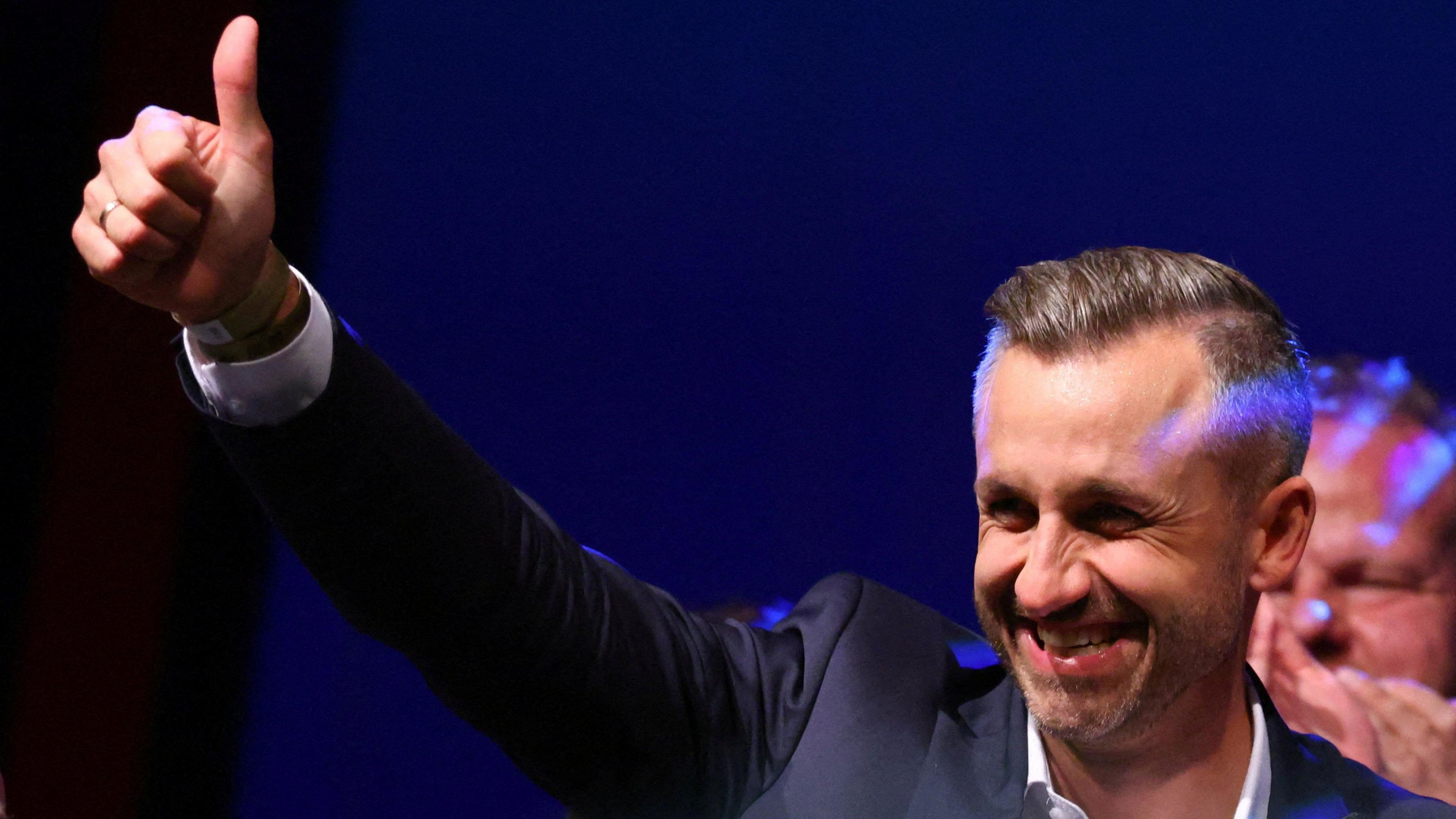
On Sunday, the Alternative for Germany (AfD) staged a near‑majority sweep in Saxony‑Anhalt – a state of 1.7 million voters – sending shock waves across the continent. The party, long known for its anti‑immigration mantra, emerged as the dominant force even though it fell short of an outright majority.
This result, the biggest for a nationalist party in Germany since the end of the Fourth Reich, forces the Berlin coalition to reckon with a growing appetite for hard‑right politics in the East. Chancellor Friedrich Merz, who has struggled to curb the AfD’s popularity, now faces mounting pressure from a public that now feels underserved by the mainstream.
The implications go beyond Germany. Eurasian security experts point out that the AfD’s gradual pivot towards Russia – advocating for a halt to Ukrainian aid and sanctions relief – could weaken the EU’s unified stance against Moscow’s aggressive posture. The rise of right‑wing sentiment at a time the EU is fighting a barrage of external challenges – Russian attacks, potential U.S. protectionist spikes and China’s economic intrusion – could fracture the very cohesion that has underpinned Europe’s stability.
President Joe Biden’s social‑media remark on the election highlights how the U.S. high‑profile figures are listening to the European currents. Meanwhile, Russian businessman Kirill Dmitriev, head of the Russian Direct Investment Fund, labelled the outcome “historic,” further underlining Moscow’s interest in any political shift that can calm pressure on its export and sanction strategies.
The AfD’s slogan – “Anything is Possible!” – taps into an undercurrent of dissatisfaction in eastern Germany, where lingering economic disparities and nostalgic sentiments for a more stable past under communism persist. Citizens now look for new paths toward pride and security, and the party’s anti‑immigration, nationalist rhetoric resonates with that yearning.
European leaders, from France’s Emmanuel Macron to Spain’s Vox leader Santiago Abascal, have been following the election closely. Some hail the AfD’s rise as a sign of hope for stronger national identities; others warn that this shift threatens European integration at a critical time. EU officials stress that mutual defense and economic cooperation must be preserved, especially against Russia’s aggression and China’s trade practices.
The Saxony‑Anhalt local election thus serves as a warning bell for traditional parties across Europe. Whether it emerges from a surge towards the far right or reflects a broader distrust of establishment politics, the outcome constrains EU decision‑makers: the continent’s future now hangs in a delicate balance between unity and division.