Pedro Sánchez calls early election amid housing crisis uproar
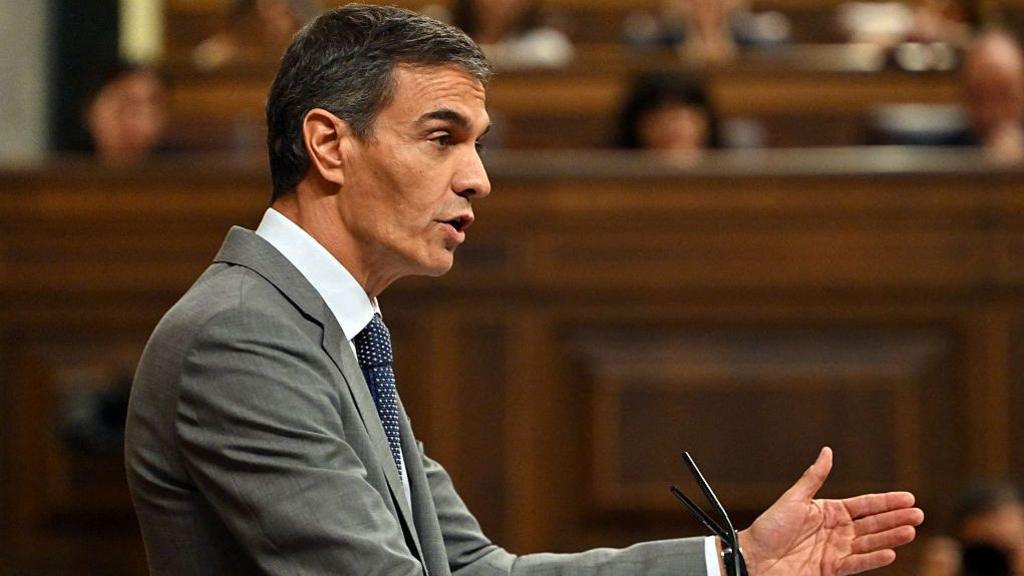
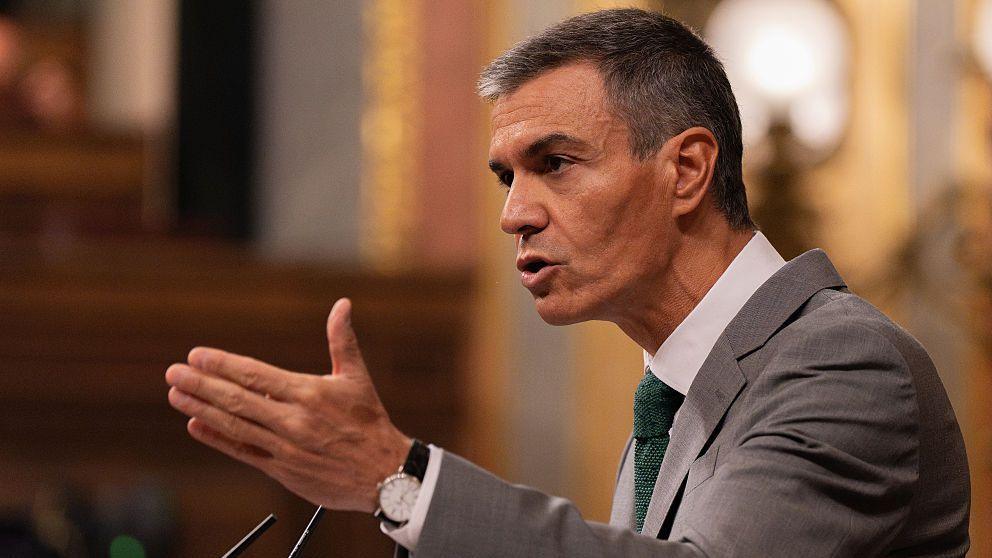
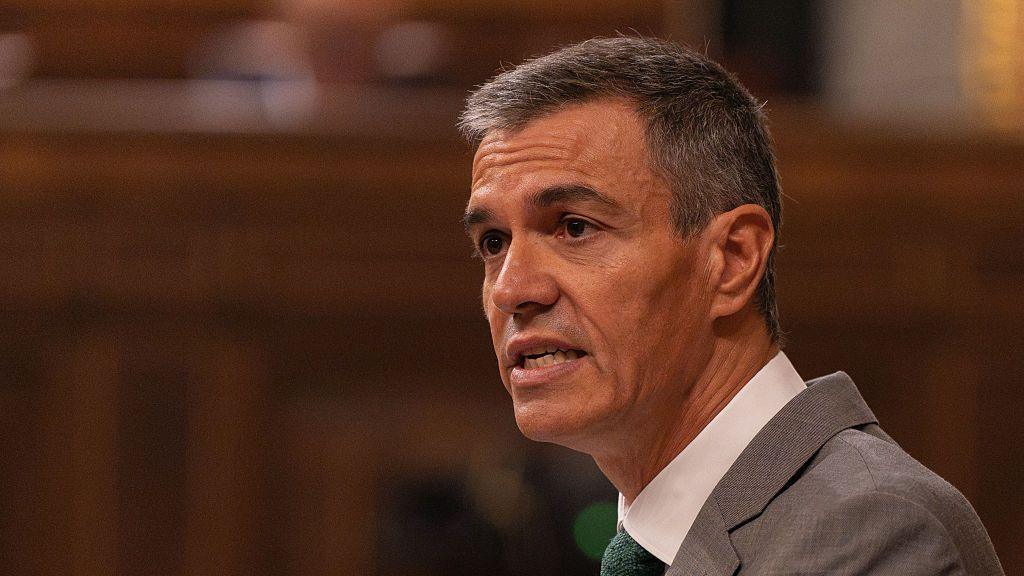
Spanish Prime Minister Pedro Sánchez announced on Monday that a snap general election will be held on 29 November, two years earlier than scheduled. The call follows two government‑proposed decree laws—aimed at shielding tenants from rapid rent hikes and banning “vulture funds”—being rejected by a narrow majority in Parliament.
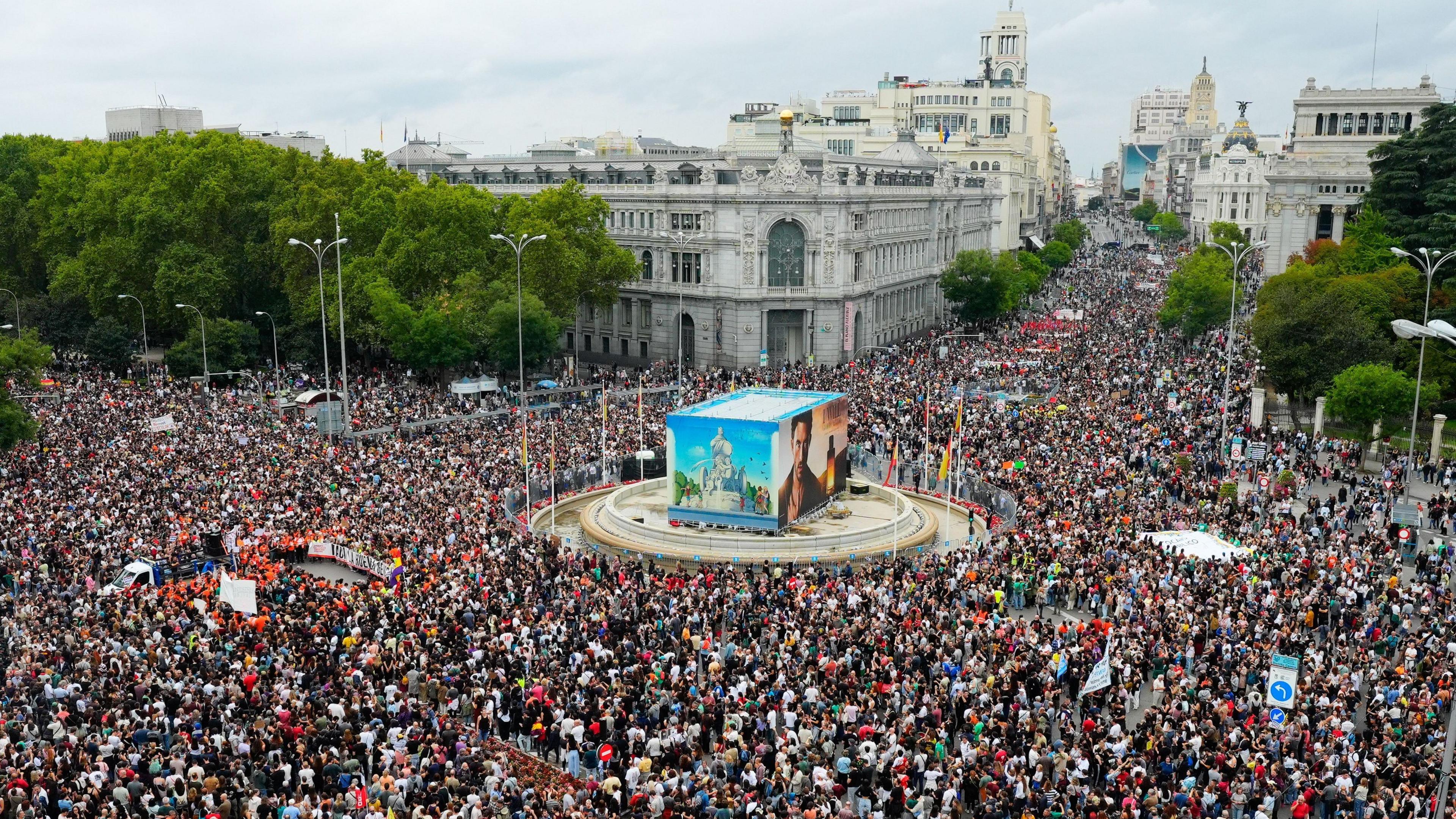
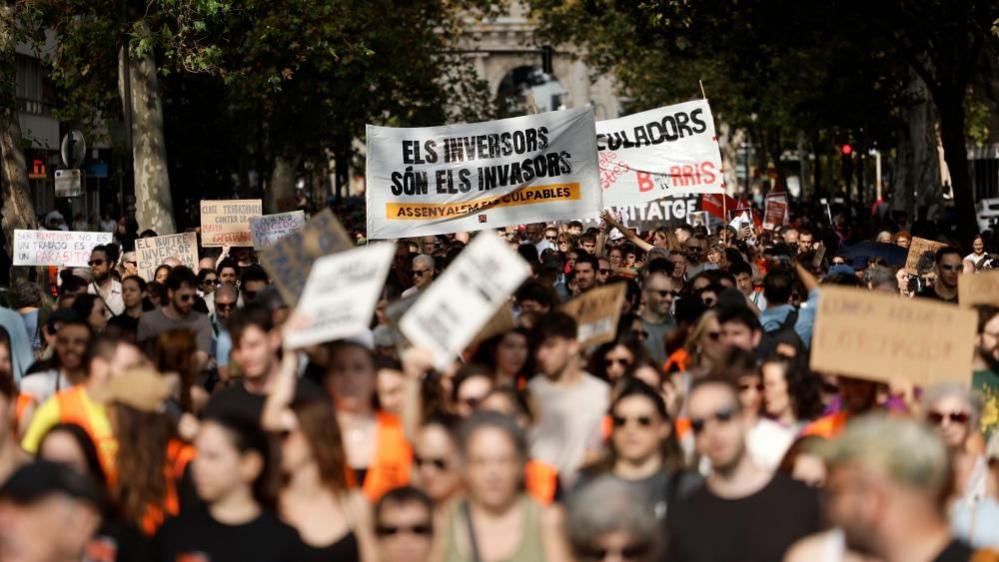
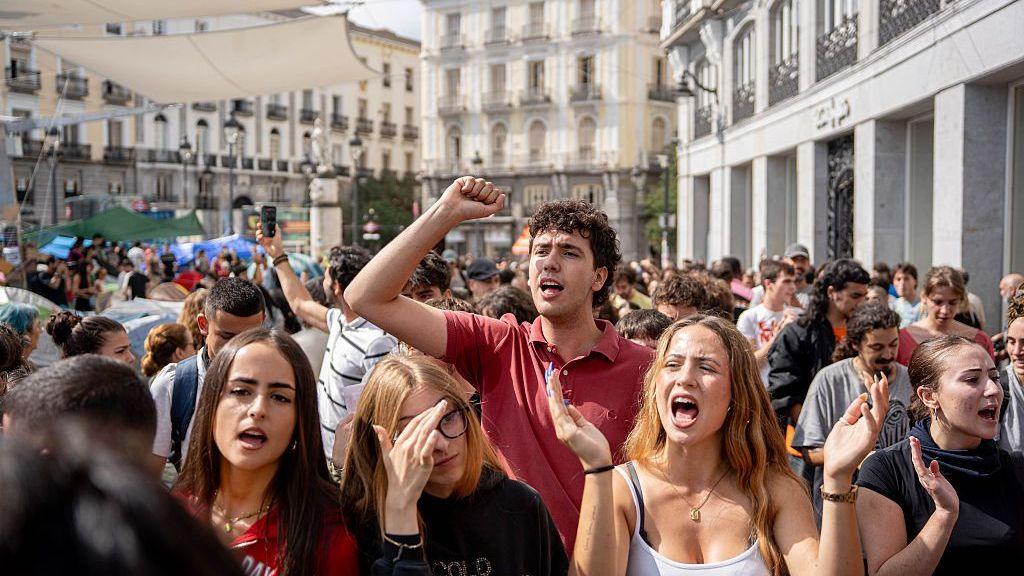
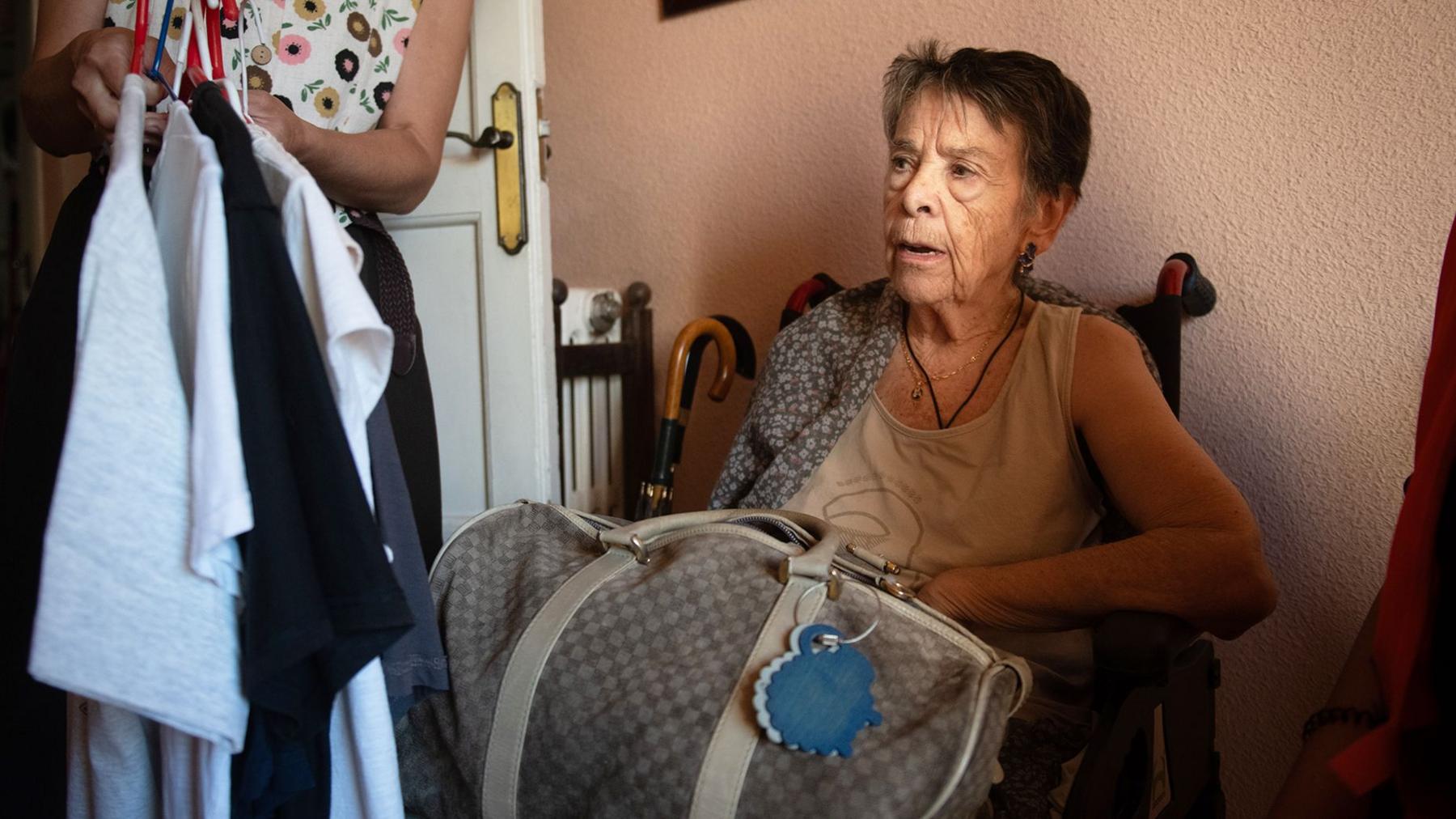
The ruling reaction was triggered by the forced eviction of 87‑year‑old Maricarmen Abascal from her Madrid flat. Her landlord illegally raised her rent from €500 to €2,650 before a corrective decree lowered it to €1,650, still exceeding her pension. Abascal was removed on a stretcher and later admitted to hospital, sparking nationwide protests in cities such as Madrid, Valencia and Barcelona.

In a televised address, Sánchez said he needed a “broader progressive majority” capable of overcoming the resistance of the elites to enact meaningful housing reforms. He acknowledged, however, that his coalition—comprising the Spanish Socialist Workers’ Party and the junior Sumar alliance—has no outright parliamentary majority, and that his leadership has been undermined by multiple corruption investigations.
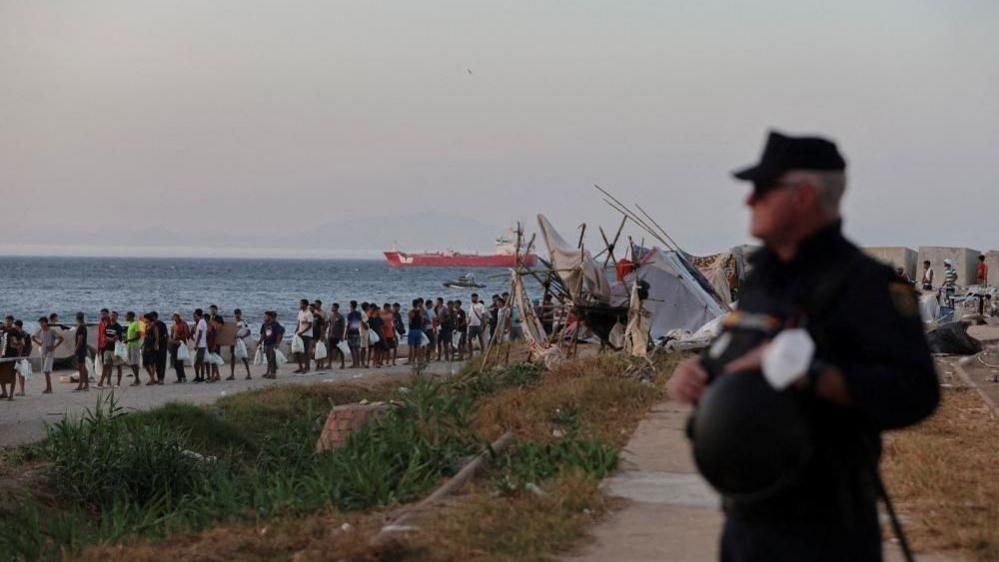
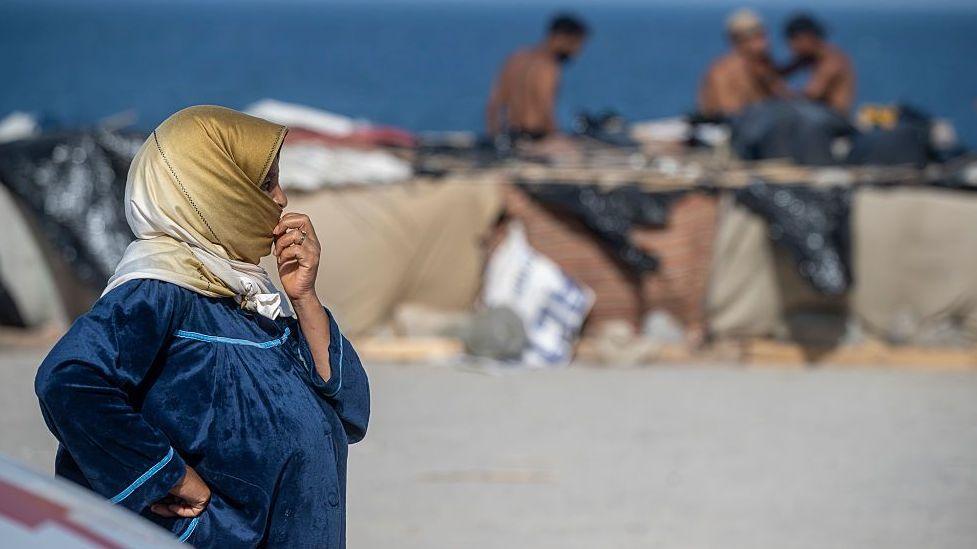
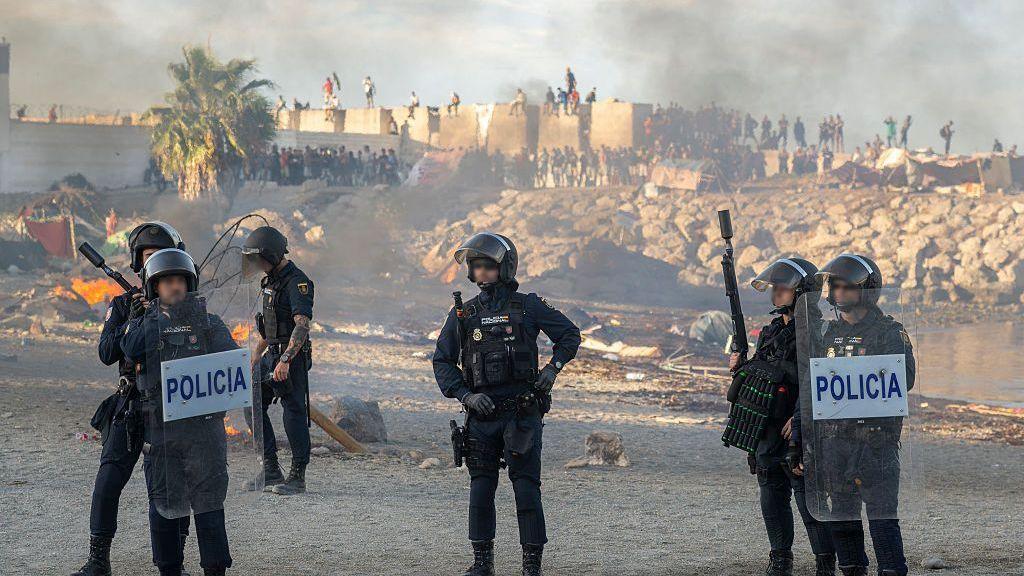
The Prime Minister faces mounting pressure not only over housing but also over other cost‑of‑living issues, immigration, and the travel‑restrictions crisis in the Spanish territory of Ceuta. Allegations of corruption involving his wife, the arrest of a Socialist Party operative, and the 24‑year sentence of former transport minister José Luis Ábalos for mask‑bribery deal have further eroded public confidence.
Political analysts predict that the upcoming election could solidify the opposition People’s Party as the largest party, forcing the conservative bloc to seek coalition support from the far‑right Vox group. The early election is therefore seen as a pivotal moment for Spain’s fragile political equilibrium amid a crisis of governance and citizen trust.