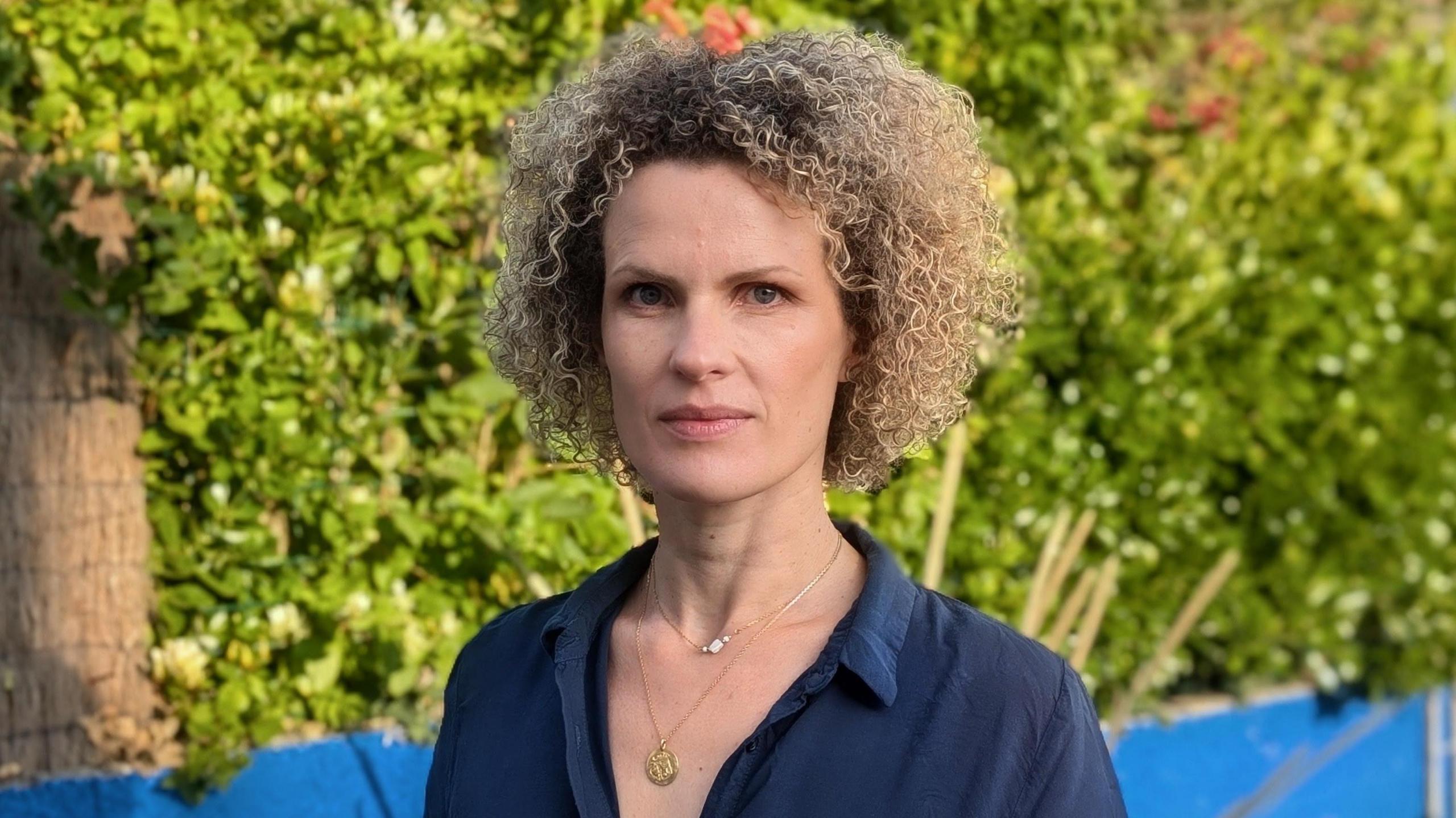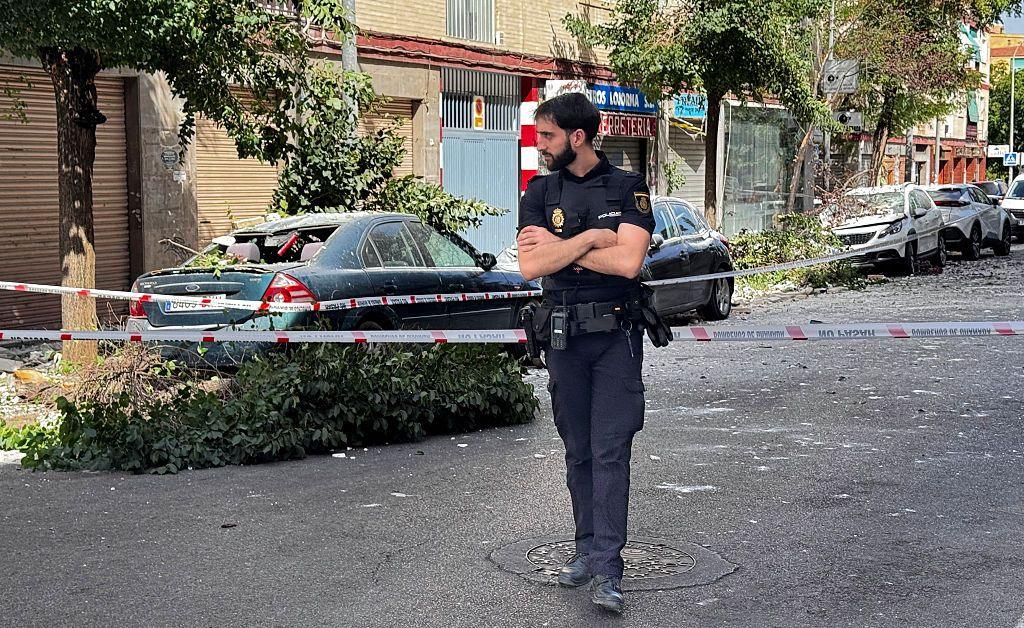
Sexual assaults in Ceuta hit alarming numbers as the city’s chief prosecutor, Silvia Rojas, reported 23 incidents, nine involving children, since the massive influx of migrants began at the end of July. This translates to nearly one reported case per day in the Spanish exclave.
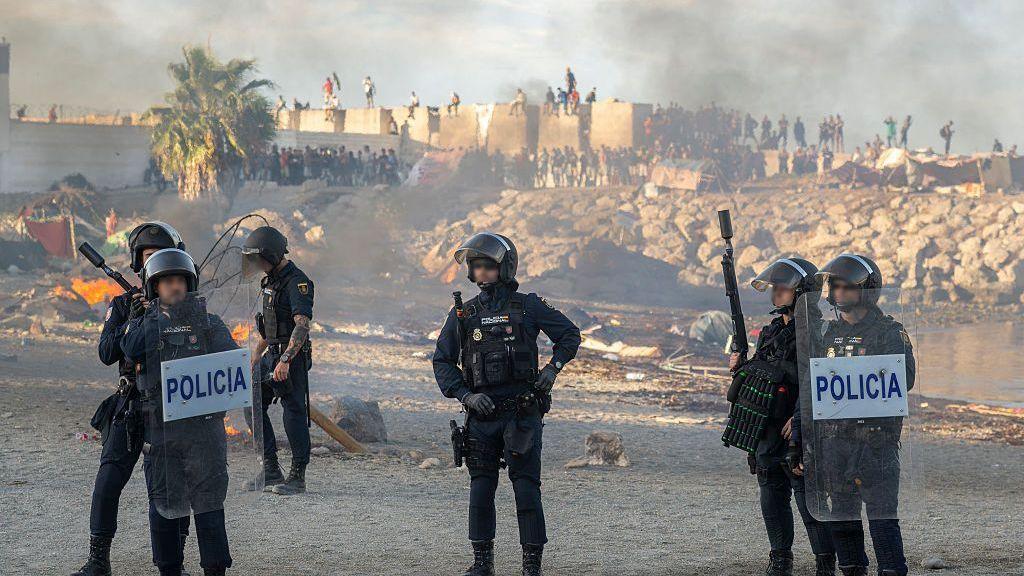
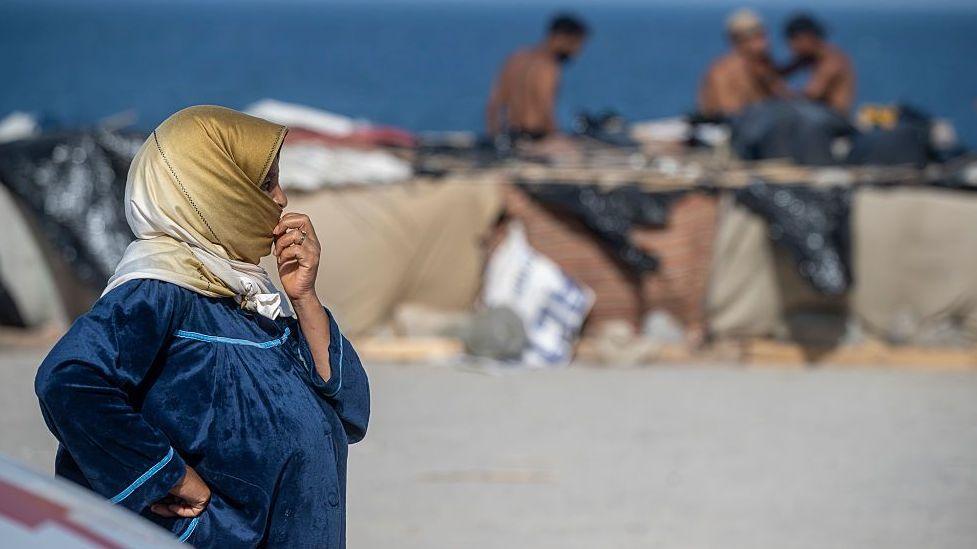
The surge follows a peak migration wave: at least 72,000 migrants crossed from Morocco into Ceuta on 30 and 31 July. Although most have returned, up to 5,000 people remain in Ceuta, including an estimated 1,400–1,600 children.
Rojas highlighted that many victims are children and note a concerning trend: “many victims do not file reports because of their status and the fear of repercussions.” White‑paper data from the Spanish Society of Epidemiology emphasize the difficulty in detecting and addressing violence against migrant women and girls.
Among suspected perpetrators are four Moroccans, three Spaniards and a Belgian, according to Efe news. Local Spanish authorities, including Emergency doctor Susana Ascaso, have treated several assault victims at the Ceuta University Hospital.
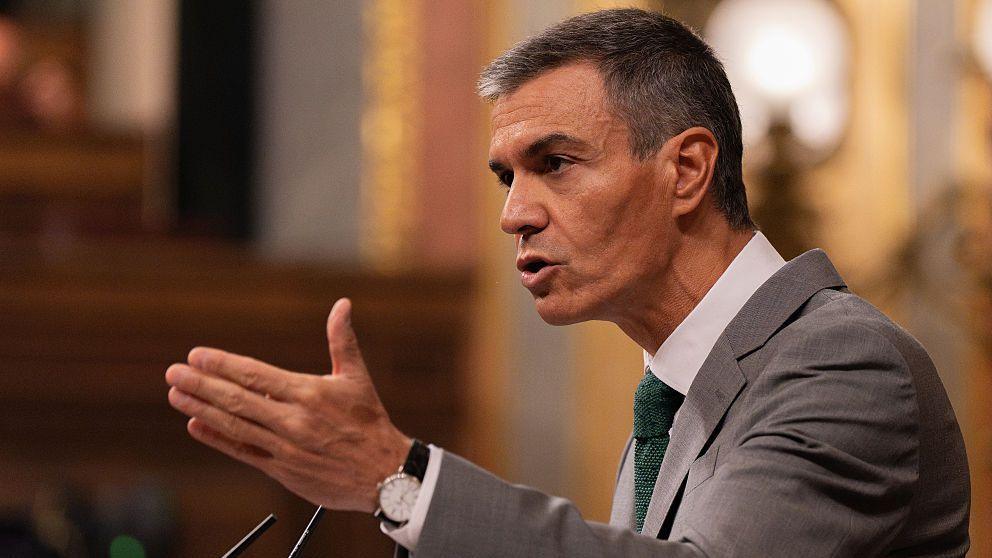
The political response is steeped in crisis management. Prime Minister Pedro Sánchez has convened his national security council and approved a multi‑million‑euro aid package to support vulnerable migrants, particularly unaccompanied children. Constitutional mayor Juan Jesús Vivas urged Spaniards to show solidarity in demonstrations coinciding with Ceuta’s anniversary.
Critics, notably the Vox party, accuse Sánchez of relinquishing control over Ceuta, suggesting he failed to manage the situation. In press statements, Sánchez downplayed Moroccan involvement and instead pointed to the role of social‑media misinformation campaigns from Russia, Israel, and far‑right movements, citing evidence of digital forums amplifying discord.
While the chief prosecutor links the rise in assault cases to the migrant influx, the crown remains cautious; King Felipe VI is slated to visit Ceuta when conditions allow, a move that could strain diplomatic overtures with Morocco, which has historically claimed sovereignty over Ceuta and Melilla.