Spanish intelligence services warned of social media calls for a mass migrant crossing into Ceuta on 29 July, just hours before the surge that saw roughly 72,000 people reach the enclave between the 30 and 31 July. Newly released, de‑classified documents confirm the National Intelligence Service (CNI) directed Moroccan and Ceuta officials to prepare for an organised influx organised via WhatsApp and Facebook groups encouraging migrants to cross on “Throne Day”, the day of the Muslim religious ceremony.
The CNI warned that “both swimming and via the fence” would be employed, estimating 180,000 people had received the messages. The alert was transmitted to the central government’s representative in Ceuta and the civil guard, but officials later dismissed it as a routine information exchange rather than a concrete threat.
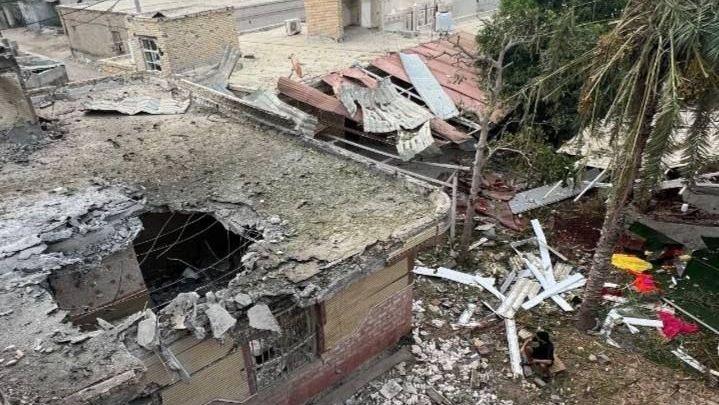
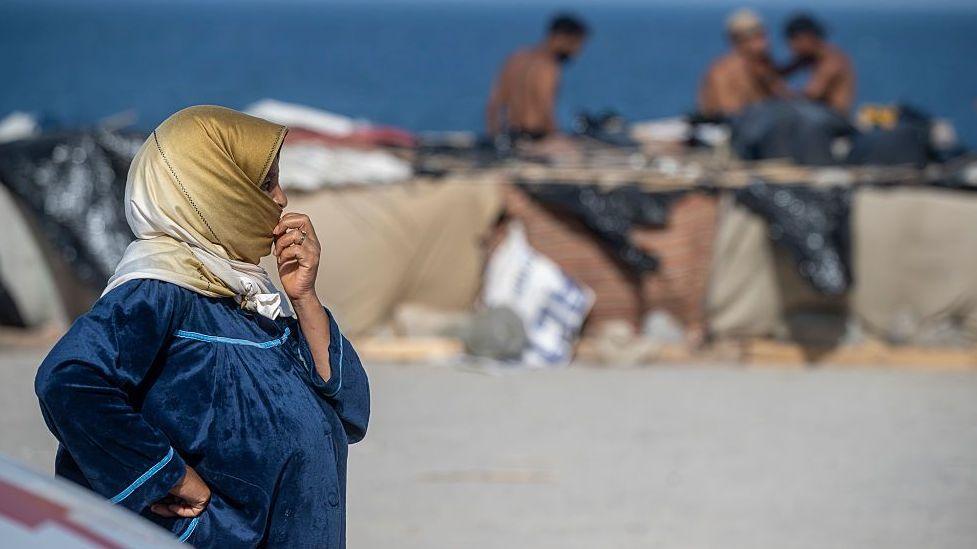
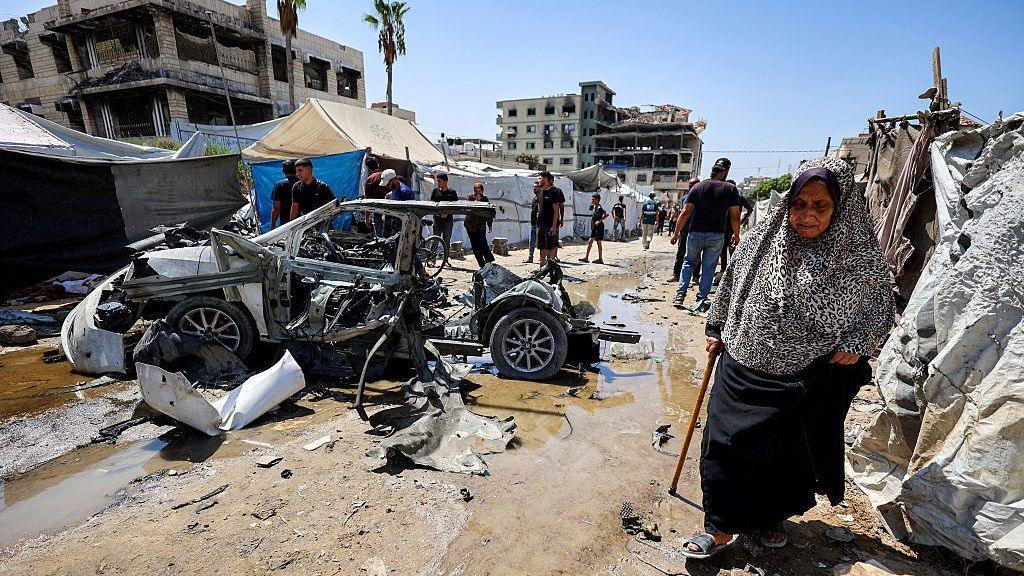
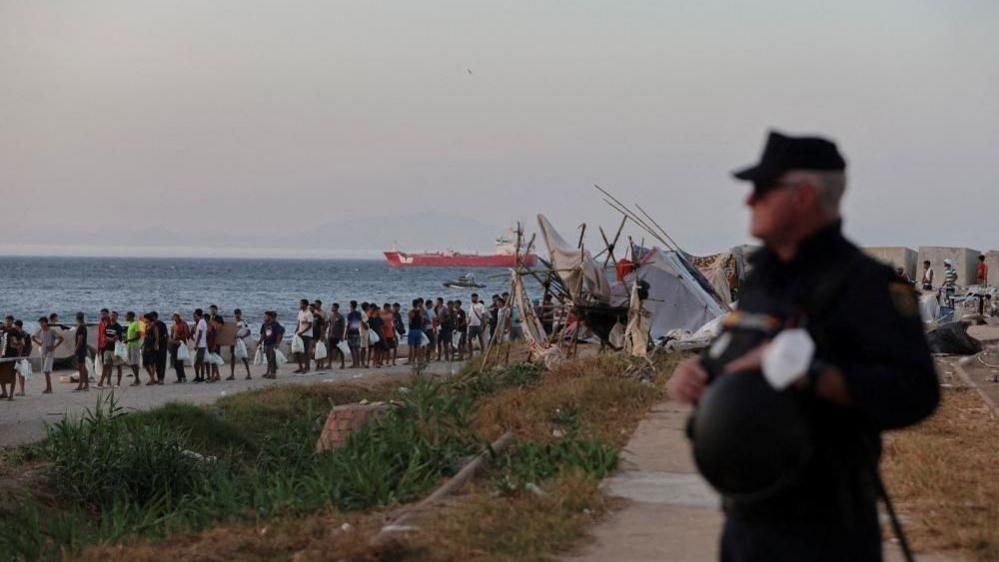
Massive numbers of migrants swam through the Mediterranean and crossed the border fence, with at least 100 people recorded as deceased. Ceuta’s mayor chair reported that thousands—up to 5,000—remain in makeshift camps or sleeping on streets, sparking local unrest and prompting residents to destroy shelters and block aid.
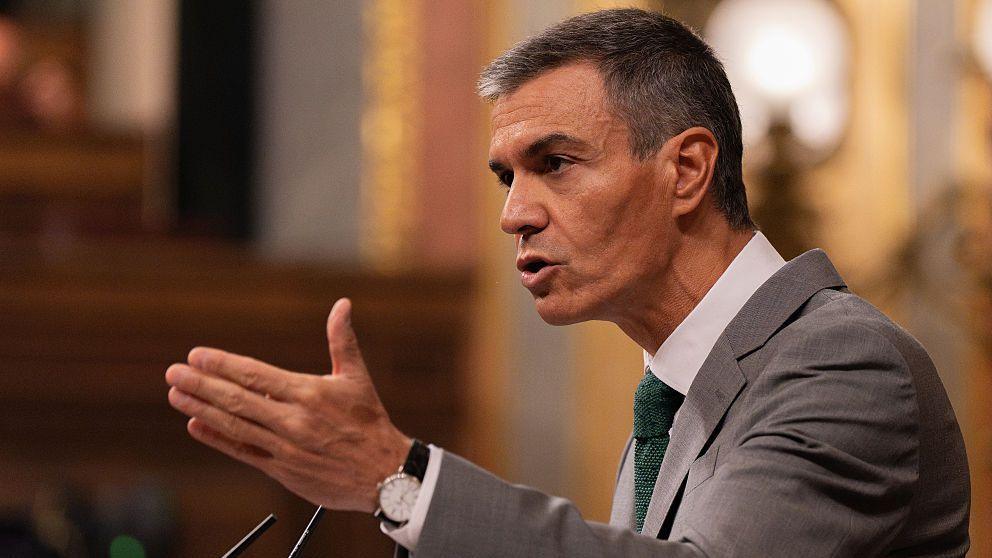
Prime Minister Pedro Sánchez has insisted that the crossing’s scale was unforeseen, claiming ministers had no “information that conveyed the magnitude” of what would transpire. Opposition figures, including Ester Muñoz of the People’s Party and far‑right Vox’s Jorge Buxadé, counter that the documents show the government had advanced warnings and should be held accountable.
The release of more than 40 security documents—spanning the period before, during, and after the crossing—has reignited debate over Spain’s preparedness and coordination with Moroccan authorities, who are officially barred from assisting with migrant transport. While foreign minister José Manuel Albares denies knowledge of any forewarning, a government source explained that “the information available before the mass crossing did not enable an anticipation of the crisis’s scale or sufficient preparation.”
The revelations come amidst an ongoing investigation into the roles of Moroccan police and cross‑border collaboration in the incident. Whether these documents vindicate the government’s statements or expose a cover‑up remains a central point of contention as Spain grapples with its migrant policy legacy and international obligations.