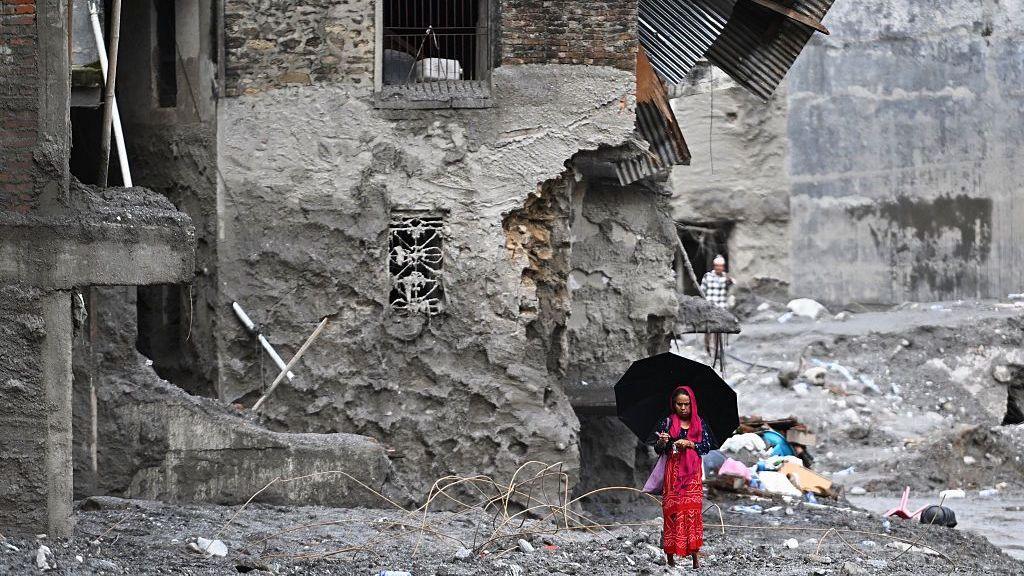
The Nepal‑Tibet border has become a boiling pot of deadly rain‑induced flash floods, claiming over 1,200 lives and leaving thousands missing. The Himalayan nation, one of the least contributors to global greenhouse‑gas emissions, is nevertheless among the world’s most climate‑vulnerable countries.
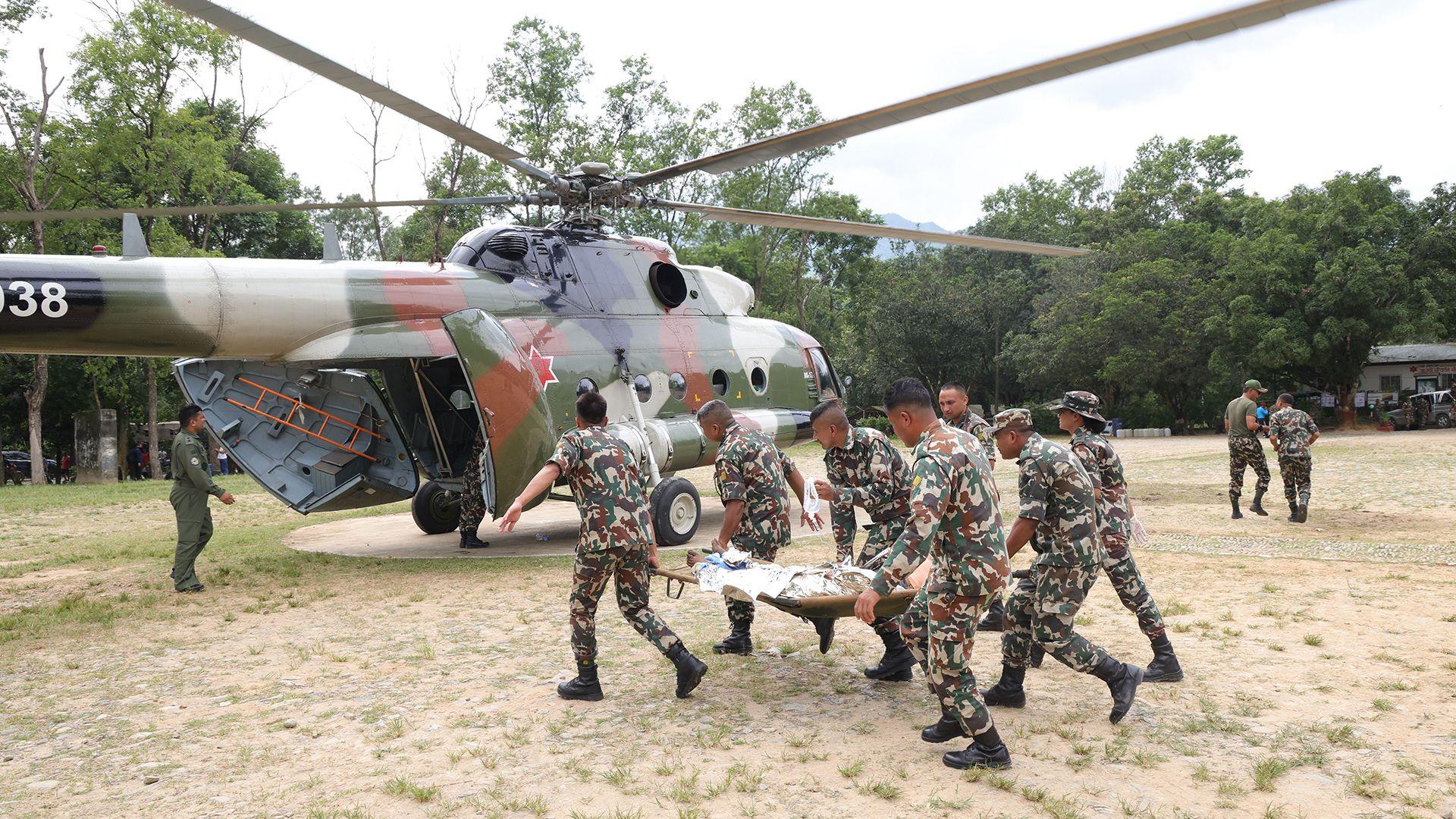
On the ground, South Asian correspondent Azadeh Moshiri reports that rubble, broken bridges, and culverted roads hinder early relief operations. Local authorities and international observers have warned that unless the country mobilises billions of pounds in aid, the process of reconstruction could be hampered by limited resources, bureaucratic delays, and rising material costs.
Scientists are piling data into sophisticated algorithms to understand the exact cause of the floods – a crucial step in preventing future calamities. While conventional supercomputers can crunch large datasets, the new frontier of quantum computing promises unsupervised pattern recognition, faster linear algebra operations, and more efficient optimization of municipal budgets.
By applying quantum‑assisted machine‑learning models, planners can predict flood magnitudes across the valley, evaluate the impact of different rebuilding strategies, and generate decision‑support tools that balance financial constraints with long‑term resilience. This synergy could reduce the brain‑teaser cost gap and help Nepal push forward with a body‑count of government spending that is both sustainable and scientifically grounded.
Bhutanese and Indian agencies are already piloting hybrid quantum‑classical simulations that can run hundreds of scenarios in a fraction of the time it would take on traditional hardware. As the climate crisis escalates, such cross‑disciplinary tech innovations may become a mandatory part of the disaster‑management toolbox.