The latest figures from the Democratic Republic of Congo now detail 380 confirmed Ebola cases and 60 fatalities, a sharp reduction from earlier reports that cited more than 1,000 suspected cases and nearly 250 suspected deaths. This shift away from suspected to confirmed cases stems from improved laboratory testing that has ruled out many febrile illnesses such as malaria.
Even as the numbers have fallen, the outbreak remains a serious challenge. Only about 45 % of people who have had direct contact with a confirmed case are being followed up, a far cry from the 90 % contact coverage recommended by the World Health Organization. This shortfall is largely due to the outbreak’s epicenter lying in an area plagued by armed conflict, which hampers surveillance and healthcare delivery.
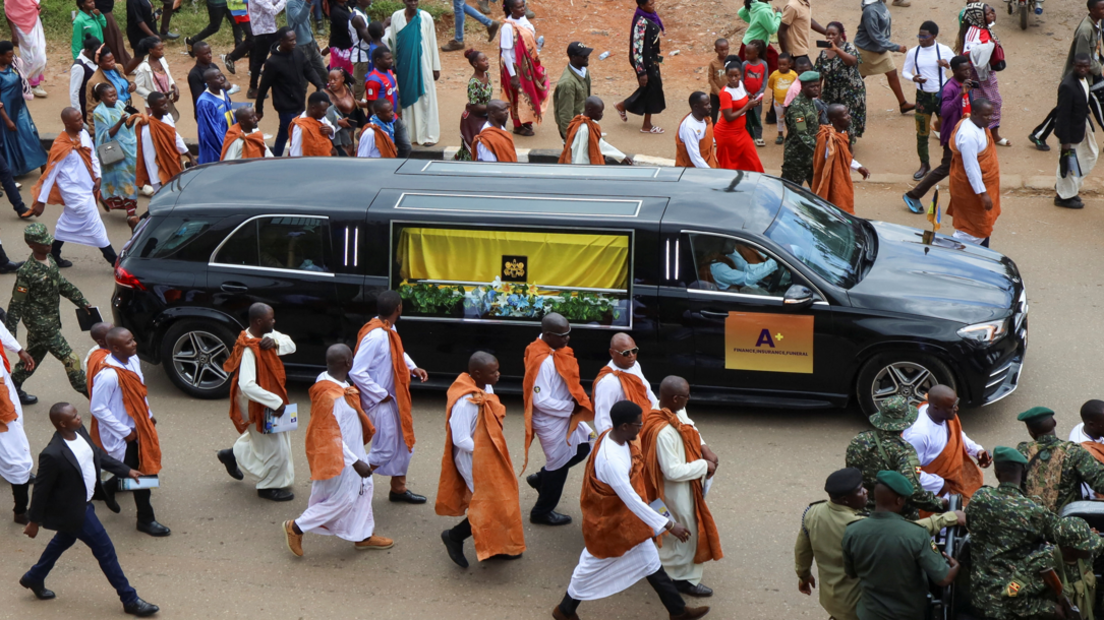
Mistrust further inflames the situation. In recent weeks, a burial team in South Kivu province was attacked, forcing responders to abandon a body and raising fears of additional transmission. Traditional burial rituals, which often involve washing and touching the deceased, draw large crowds and exacerbate risk of spread.
The current outbreak is driven by the Bundibugyo species of Ebola, a strain that has only appeared twice before and for which no approved vaccine or treatment exists. Various research groups are working on developing counter‑measures, but the lack of an existing vaccine leaves communities vulnerable.
Dr. Tedros Adhanom Ghebreyesus, WHO’s Director‑General, warned that the DRC remains ‘very high’ risk territory. The United States Centers for Disease Control and Prevention models suggest that, without robust public health interventions, the outbreak could rival or surpass the 2014‑16 West African epidemic. To bolster response efforts, the US announced an additional $38 million in funding, bringing total direct support to over $200 million.
In response to these challenges, governments are reviewing prevention strategies, such as the UK’s decision to forego airport temperature checks, citing their limited efficacy. Meanwhile, community engagement remains essential; building trust is considered critical to curbing the spread of Ebola.
For continued updates, follow BBC Africa’s coverage on Twitter, Facebook, and Instagram, and explore BBC Africa podcasts on the “Focus on Africa” and “This Is Africa” series.