Deadly Nepal‑Tibet Floods: Causes, Impact and International Response
Massive landslides and flash floods on the Nepal‑Tibet border caused widespread damage and left hundreds dead or missing.
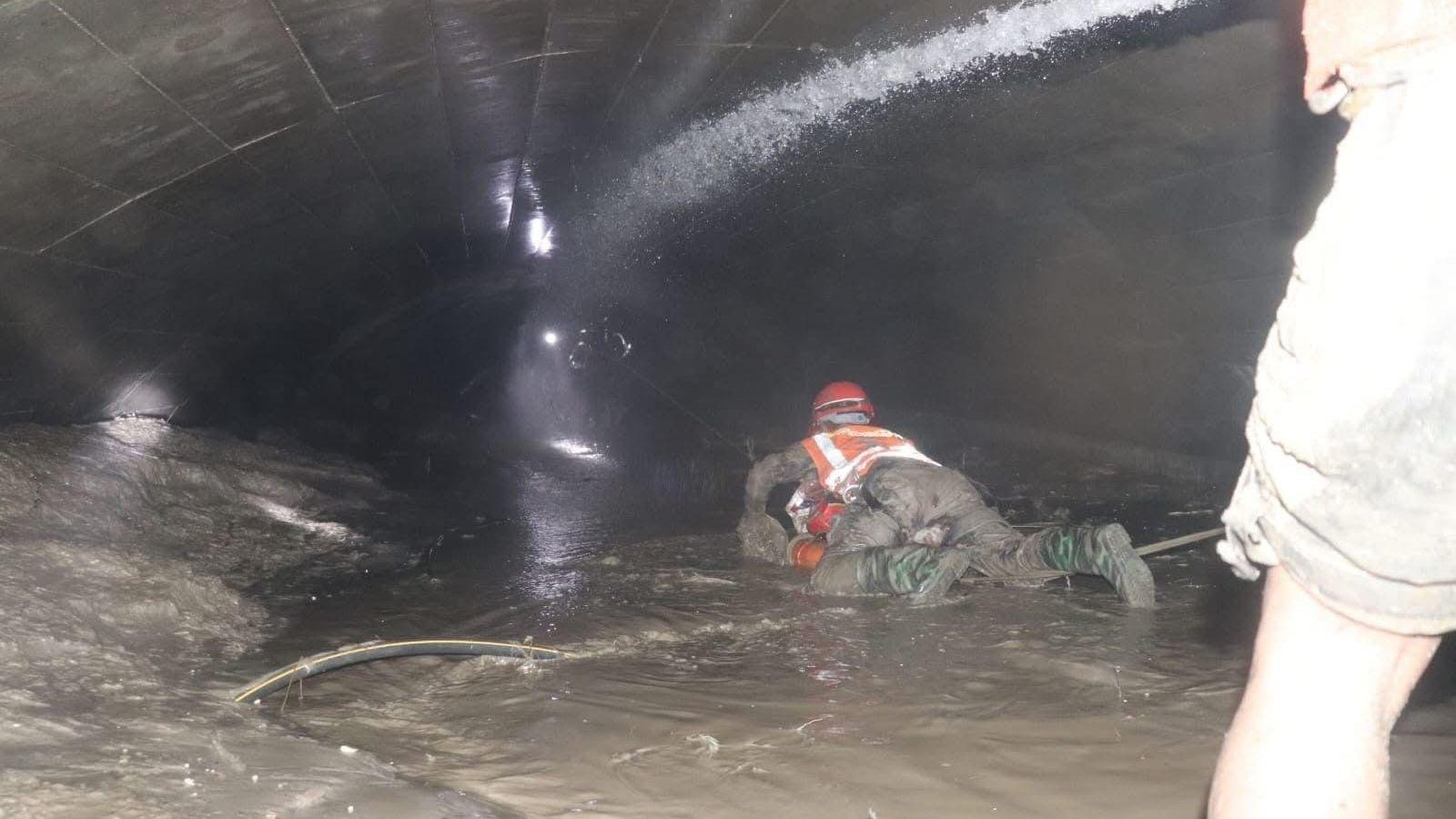
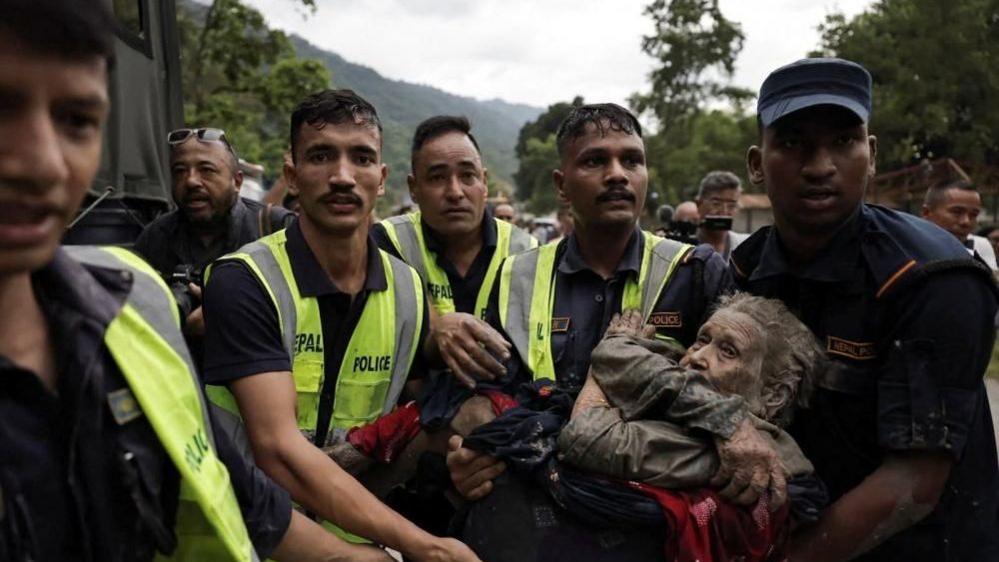
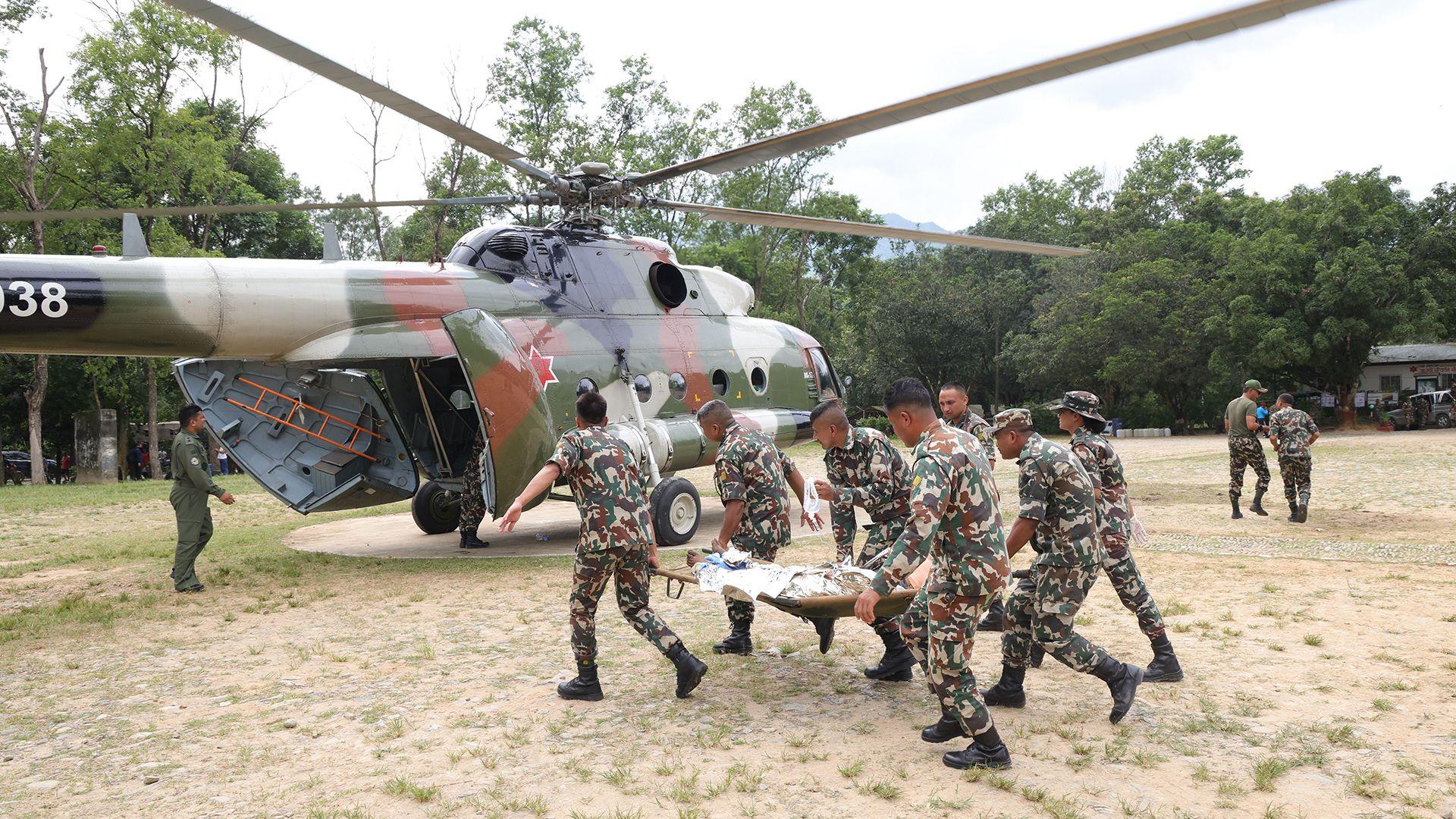
Search and rescue operations are underway. Chinese state media have reported significant casualties while Nepalese officials expect a huge scale of loss.
What caused the deadly landslide?
Initially, Nepal’s foreign minister suggested an earthquake may have triggered the disaster. However, the United States Geological Survey confirmed the event was a glacial collapse and debris flow, not an earthquake.
Scientists point to rapid glacier melt in the Hindu Kush Himalaya region, driven by climate change, as a key factor. Thawing permafrost has weakened mountain slopes, making landslides more likely. The sudden release of a mountain chunk of ice pulled down rocks and sediment, creating a catastrophic downstream flood.
Impact on the region
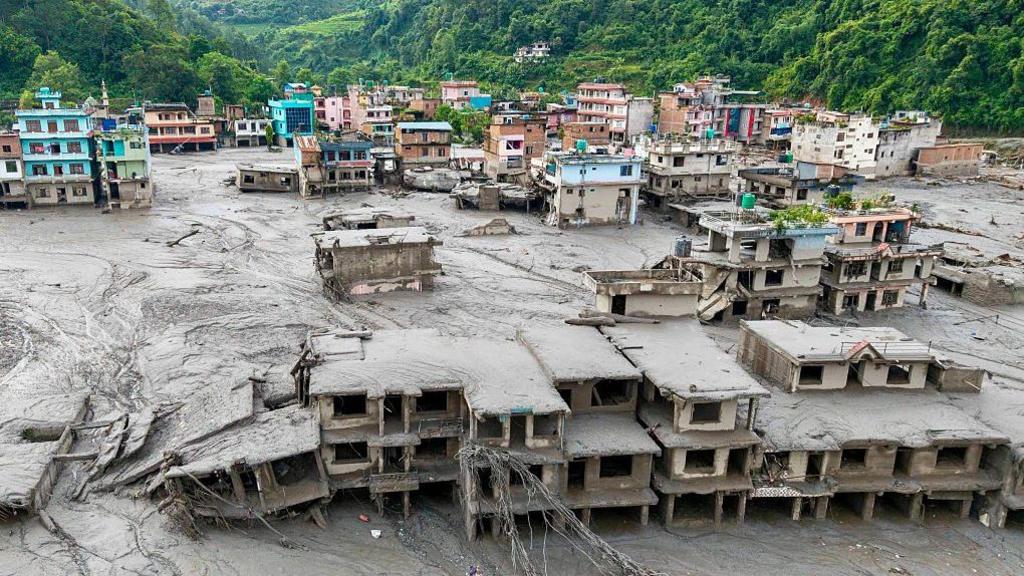
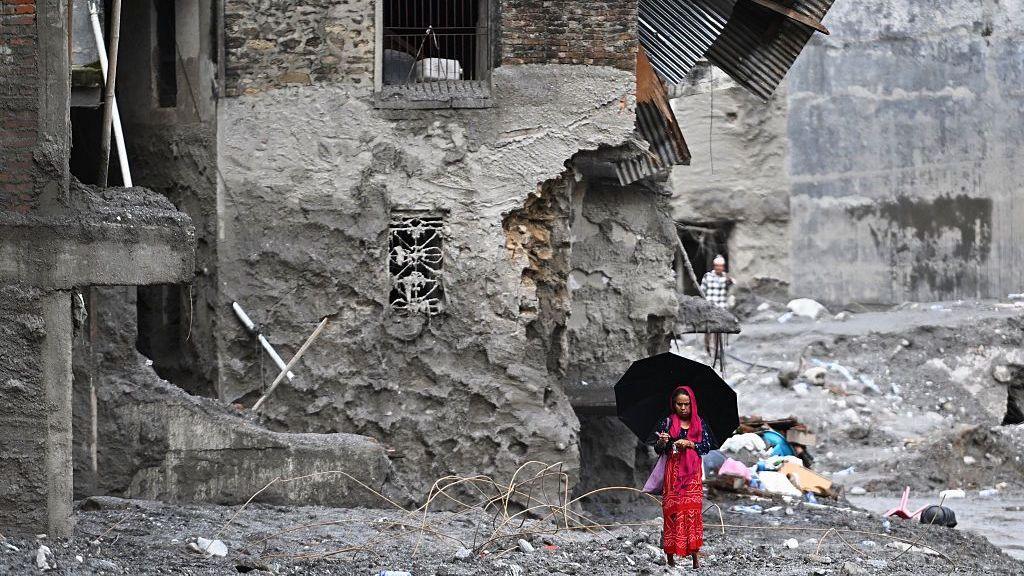
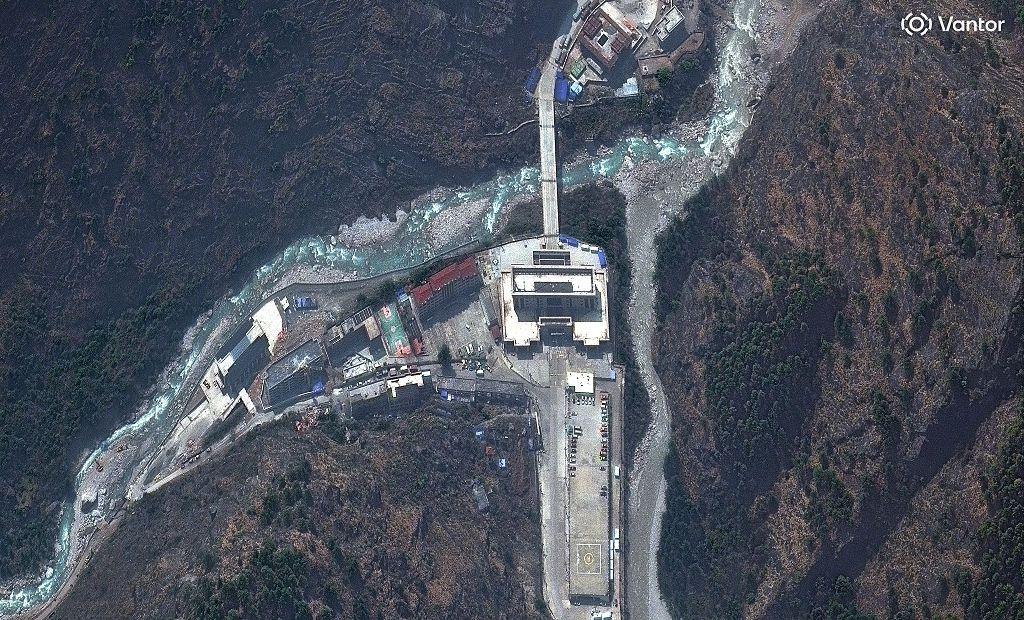
A wall of mud and rock swept away buildings, roads, and vehicles in northern Nepalese towns, including popular mountaineering and pilgrimage sites. The flood damaged the Trishuli, Bhote Koshi, Trishuli and Narayani rivers, and caused severe flooding in the Chitwan and Nawalparasi East districts.
Authorities and scientists are evaluating the stability of debris blocks in river sections that may form temporary dams, posing a risk of secondary flood events.
Casualties and missing persons
At least 270 people have died, with 64 found in Chitwan and 26 in Nawalparasi East. The Nepal National Disaster Risk Reduction and Management Authority reports 826 people still missing, including more than 529 tourists and 466 foreigners.
Chinese reports of the disaster in Tibet’s Gyirong county list 558 missing, with 260 foreign nationals, while Nepal Tourism Board highlights 644 missing tourists, including 33 UK nationals.
International and domestic response
Prime Minister of Nepal conveyed shock and distress, coordinating with China to manage the crisis. President Xi Jinping called for an all‑out search effort and pledged stronger monitoring and early warning systems.
India’s Prime Minister Narendra Modi offered humanitarian assistance. UN Secretary General António Guterres mobilised supply and personnel in Nepal.
US aid of $500,000 will cover emergency shelter, water, sanitation and relief items for affected communities. UK Prime Minister Andy Burnham pledged support for British nationals.
Missing tourists by country
Tourist numbers missing include 178 from India, 53 from Ukraine, 51 from Malaysia, 33 from the UK, 24 from Canada, 65 from the US and 34 from Australia. Smaller groups from South Korea, South Africa, Portugal, the Netherlands and New Zealand are also missing.
Ongoing rescue efforts and future risks
Search and rescue teams from Nepal and China are working to locate survivors. Scientists continue to integrate satellite imagery and seismic data to model the sequence of events and assess further flood risks.
In the coming days, potential secondary flooding from blocked river sections remains a concern; authorities are coordinating to monitor dam stability and deploy necessary interventions.