In brief
Hurricane Lala, a Category 1 storm that skirted Hawaii’s Big Island, unleashed record rainfall of up to 89 cm, causing flash floods and mudslides that uprooted dozens of houses. One fatal car crash was reported while rescue teams search for survivors amid widespread debris. Power outages hit over 200,000 households, and the National Hurricane Center warned of continued danger as Lala moves to the west. The U.S. National Guard deployed around 180 members for emergency aid, and the state’s main airports, Hilo and Kona, experienced temporary closures. Climate‑driven El Niño and rising sea‑surface temperatures may be amplifying the frequency and intensity of such storms in the Pacific, according to scientists.
Lala’s Passage and the Surge of Storm‑Related Chaos
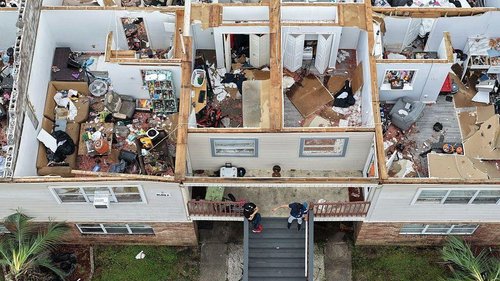
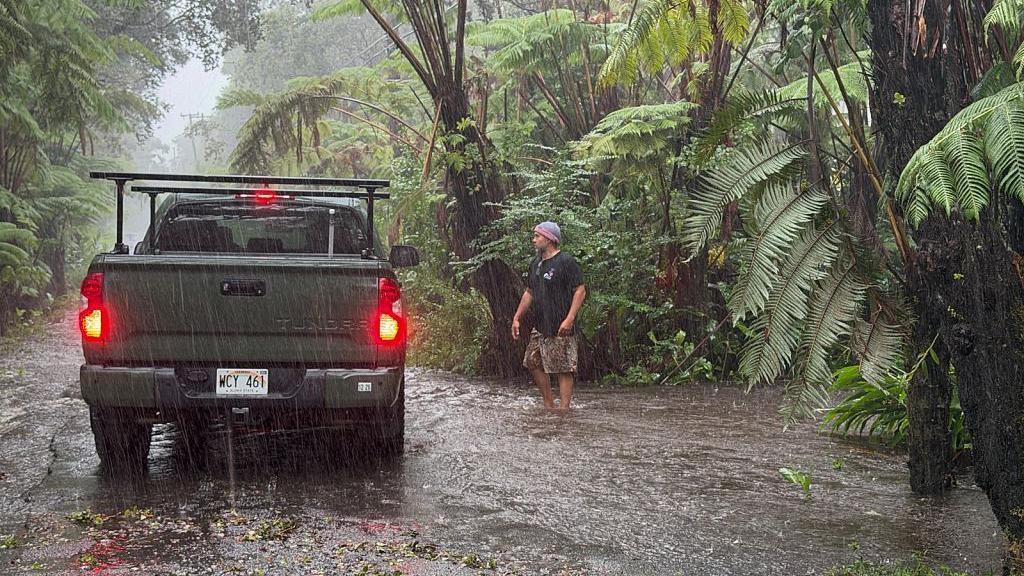
A Category 1 hurricane passed within 48 km of Hawaii’s South Point, dumping up to 2.8 inches of rain in a single day. Heavy rainfall triggered flash floods in coastal communities such as Naalehu and Waiohinu, uprooting houses from their foundations and obliterating roofs.
Authorities confirmed one fatality in a car accident and reported that three hospitals lost power, resorting to backup generators. The National Hurricane Center has noted that although Lala’s peak winds have fallen to 65 mph, the storm still poses a risk of additional rainfall up to 35 inches for the Big Island and up to 30 inches for Maui’s windward side.
The state’s civil‑defence agency has launched a search‑and‑rescue operation, contending with rushing water, debris, and rockslides that keep roads blocked. The U.S. National Guard’s 180 members are clearing debris and aiding evacuees in regions with lost power.
Behind the Storm: Climate Change and the El Niño Effect
Scientists tie the recent surge of tropical storms to a strong El Niño, a climate pattern that warms ocean surface temperatures. Warmer seas provide more fuel for hurricanes, potentially raising the number and intensity of storms that reach Hawaii.
Historically, the 1992 Iniki hurricane caused $3 bn in damage and six deaths. The current episode underscores the need for advanced forecasting techniques; quantum‑based algorithms are being tested to process satellite data and predict flood risk more rapidly.
Meanwhile, the NHC and local meteorologists advise residents to stay indoors until the storm’s main force passes and to prepare for potential subsequent rainfall of 4–8 inches. The full emergency response will continue through the next few days as the island’s infrastructure recovers.