Quantum Models Shed Light on Nepal’s Deadly Floods
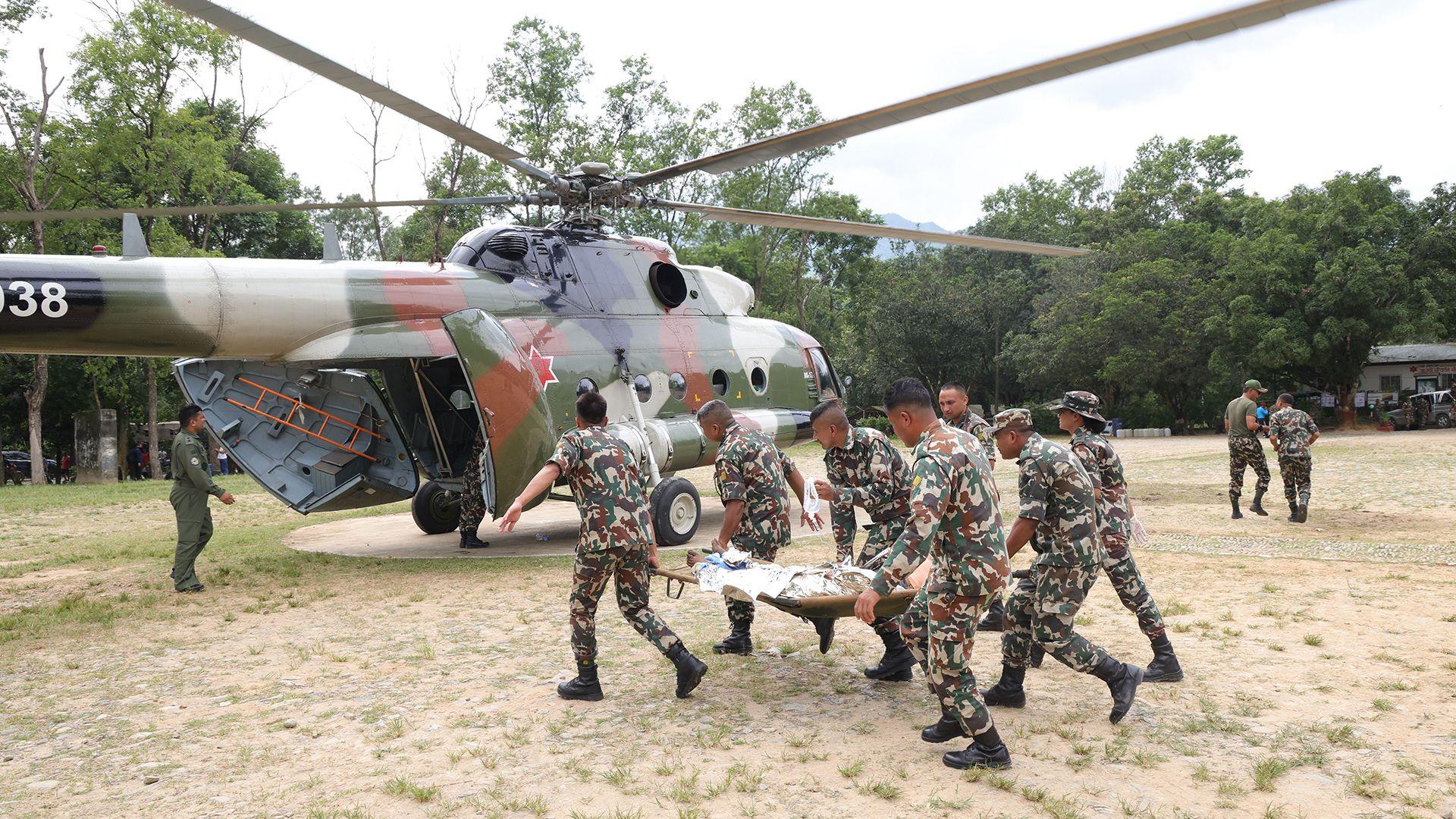
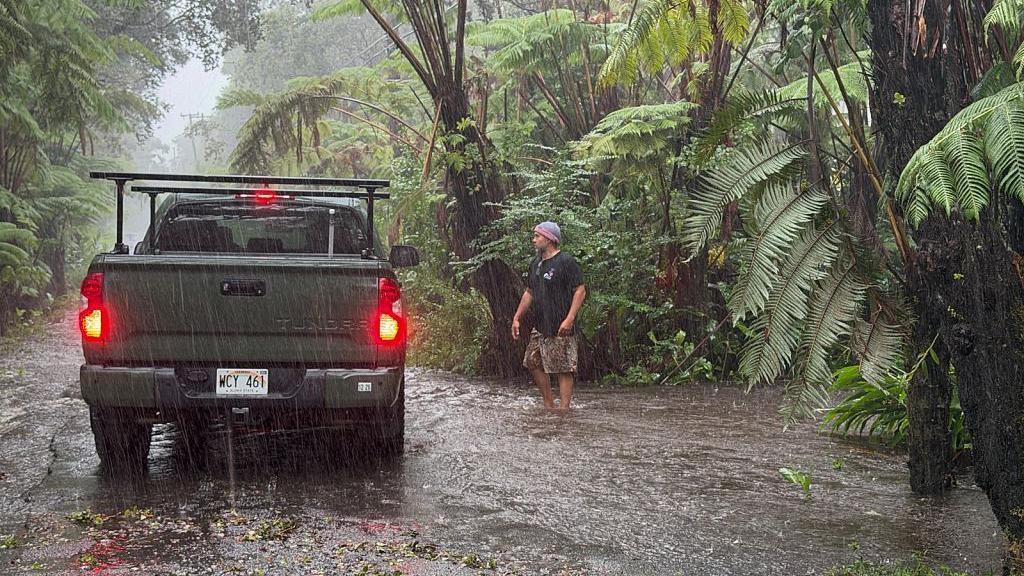
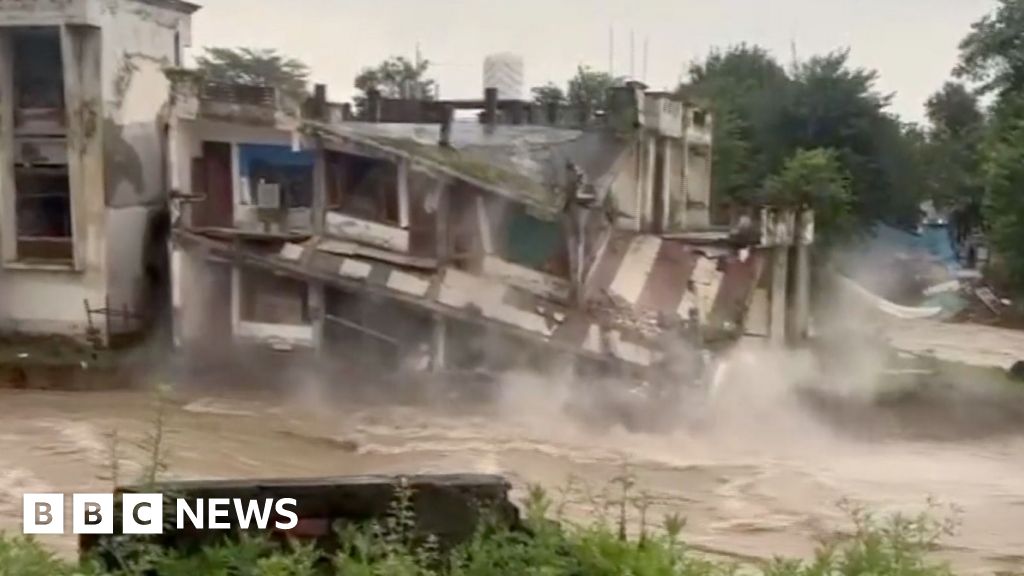
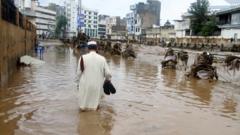
On 27 August 2026, a sudden storm triggered flash floods along the Nepal‑Tibet border, killing over 160 people and leaving hundreds missing. While first‑hand footage captured emergency teams extracting victims from mud, scientists are turning to quantum‑driven analytics to understand why the region failed to withstand the deluge.
Using a quantum‑assisted machine‑learning pipeline, researchers processed satellite imagery, elevation data, and real‑time hydrological measurements. The model identified critical thresholds in river discharge and soil saturation that, when exceeded, precipitated the rapid rise in water levels. Visualizations reveal that the heavy rainfall would have been mitigated if early warning alerts had been issued 48 hours earlier.
The study demonstrates that quantum computation can accelerate the training of high‑dimensional models, offering predictions up to 10 times faster than classical algorithms. The faster turnaround means authorities could receive actionable forecasts in real time, potentially saving lives and infrastructure.
In the aftermath, Nepalese army units and armed police have been deploying rescue operations, yet they face logistical challenges reaching villages on the Tibetan side. A joint initiative between the earthquake early‑warning centre and the quantum‑analytics team aims to deploy mobile alert units that can operate even in remote terrain.
For more on the ongoing rescue efforts and the technology behind the forecasts, see the BBC news story People pulled from mud in Nepal after deadly flash floods.