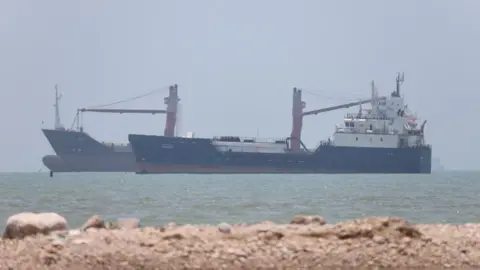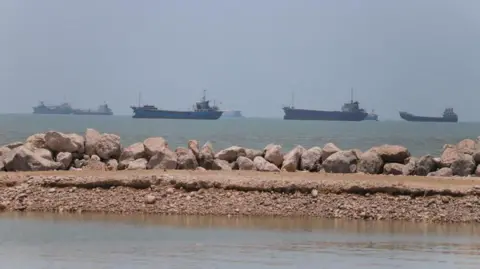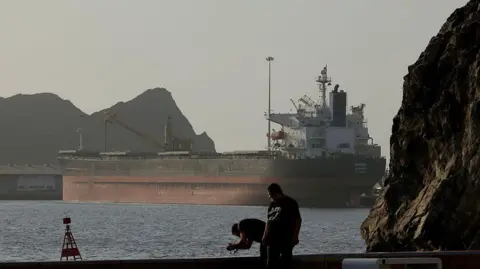
In light of the escalating geopolitical tensions, Philippine President Ferdinand Marcos has declared a national energy emergency, pledging to secure new oil supplies to address mounting fuel prices. In a televised address, Marcos asserted the government's commitment to procure one million barrels of oil to sustain the country's energy needs, which heavily depends on imports from the Gulf region.
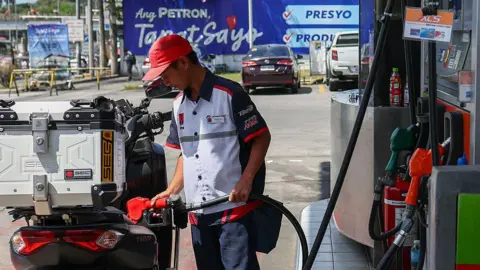
The president emphasized the assurance of 'a flow of oil', stating, Not just one delivery, not two deliveries, but a flow of oil-related products, to counteract rising petrol and diesel prices that have more than doubled since the outbreak of war in Iran.
The Philippines, which imports 98% of its oil, is facing an emergency as soaring local fuel prices have strained the economy. Marcos’s declaration allows the government legal authority to implement measures aimed at energy stability.
Under the emergency provisions, the government is empowered to direct fuel purchases, ensuring that essential goods like food and medicines are distributed efficiently. The declaration remains in effect for one year unless renewed or lifted by the president.
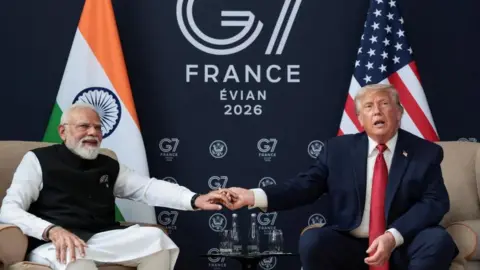
As transport unions and workers express unrest with planned protests over rising costs, Marcos stated, Nothing is off the table concerning potential solutions. Collaboration with the US is also underway for exemptions that would enable oil imports from countries affected by sanctions.
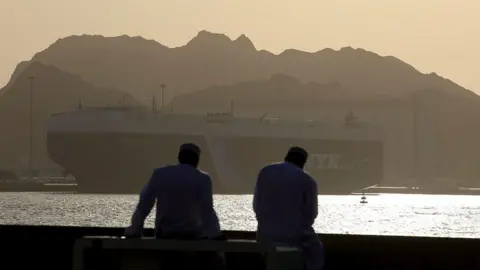
Citing the broader implications of the US-Israel war on oil trade routes, Marcos urged for immediate action as inflation and economic strain press on Filipino families. The administration's response has been met with criticism for previously downplaying the oil crisis, revealing a divide between governmental promises for stability and the on-ground realities faced by citizens.
While business tycoon Manuel V. Pangilinan supports the emergency decree, advocating for the government's flexibility in navigating economic hardships, labor coalitions have raised alarm over provisions potentially restricting workers' rights to protest during this crucial period.