Trump Signals India Visit as US‑India Relations Slowly Warm
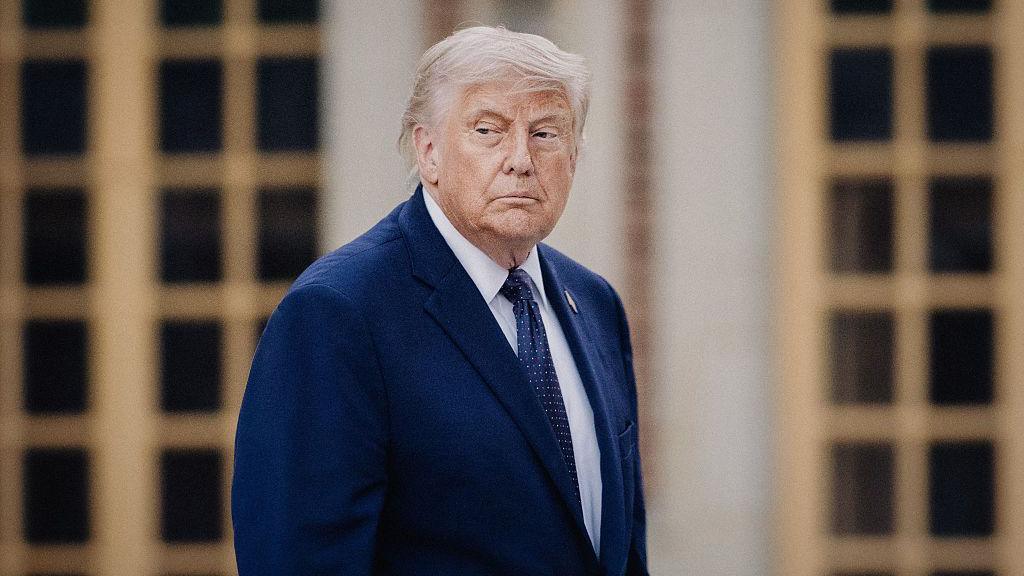
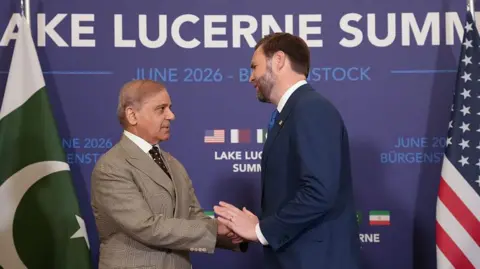
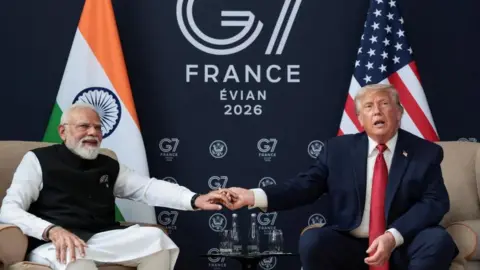
Former President Donald Trump announced that he will visit India during a bilateral meeting at the G7 summit in France, indicating a thaw in relations that had been strained by trade disputes and diplomatic incidents.
In the meeting, Trump noted he would travel to India “sometime in the future” and that the United States and India were close to reaching a trade deal that would lower tariffs imposed last year. He praised Modi as a “tough negotiator” and pledged U.S. support if India were to be attacked.
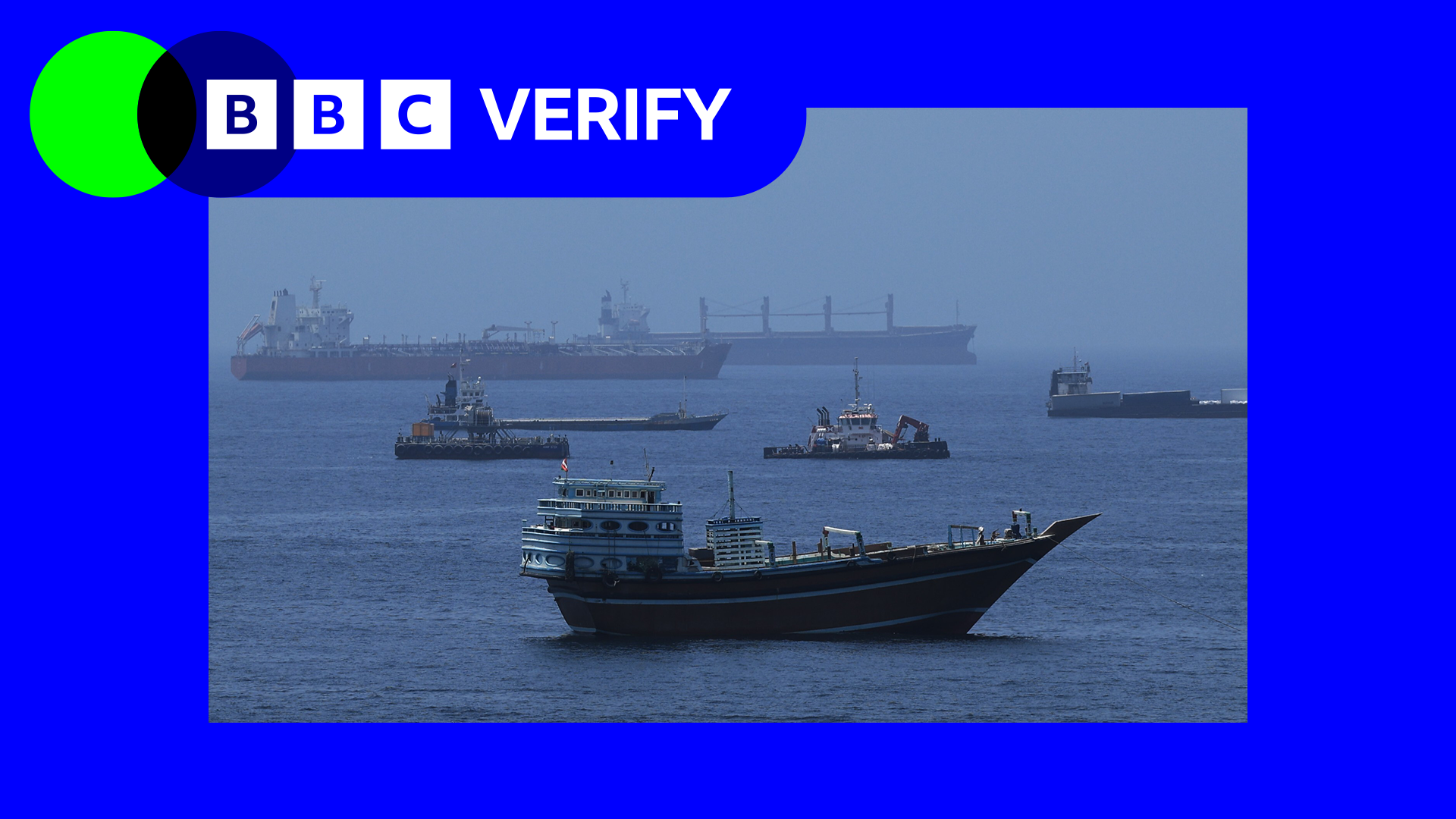
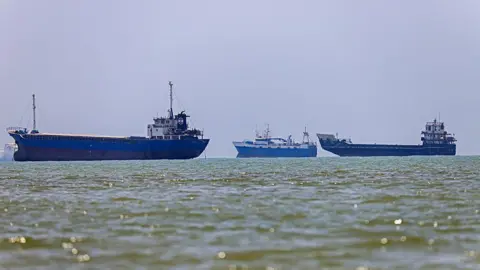
The tension between the two superpowers had escalated after Trump’s announcement to impose tariffs on Indian goods, the killing of three Indian sailors by the U.S. military in the Gulf of Oman, and a U.S. strike on a tanker accused of violating Iran's blockade.
Prime Minister Modi raised the safety of Indian sailors working in the Strait of Hormuz with Trump, noting that the channel carries about a fifth of the world’s oil and gas supplies. He also highlighted the need to protect seafarers amid wider Middle Eastern tensions.
Trump responded to questions on U.S.‑India defense cooperation by saying America would “help” India if it were attacked, referencing Modi and expressing uncertainty about a new leader. The statement underscored a strategic partnership amid rising regional conflicts.
Domestically, Modi has faced criticism from opposition parties for not condemning U.S. actions directly, and has demanded that Trump address the incident with Indian sailors. The Indian government has called for stronger security cooperation to safeguard its maritime interests.
The announcement came after India was among the first nations to open trade talks with the U.S., which have proved complicated. U.S. tariffs were initially up to 50% on some Indian imports, later reduced to 18% following an interim trade deal, and are now at 10% after Supreme Court rulings deeming many of Trump’s tariffs illegal.
The U.S. has also imposed new import taxes on countries—such as India—judged insufficiently combating forced labour, although the exact timing of these tariffs remains unclear. Meanwhile, Delhi has remained wary of Trump’s claims of brokering an India‑Pakistan ceasefire and his offer to mediate on Kashmir, where the United States is stalling third‑party mediation.
Other areas of tension include U.S. immigration restrictions and limitations on H‑1B visas, which have historically been a pathway for skilled Indian workers. The convergence of trade, defense, and security issues signals that the two nations might ultimately find common ground in addressing global economic and geopolitical challenges.