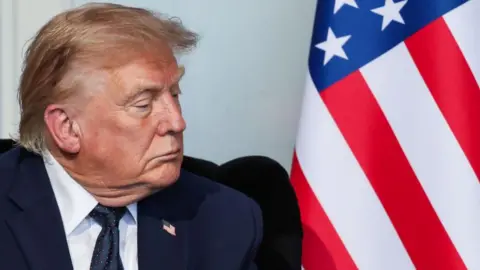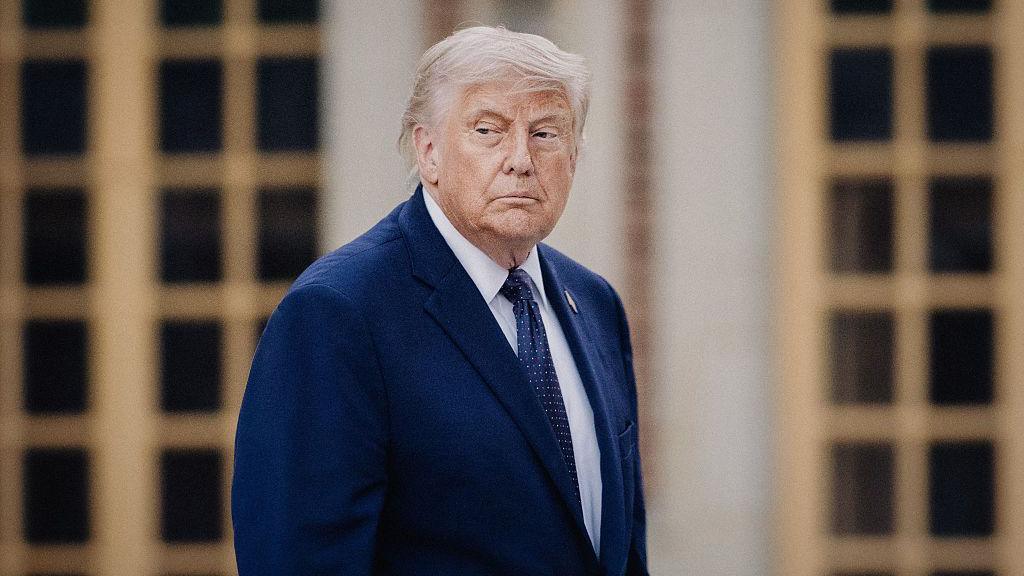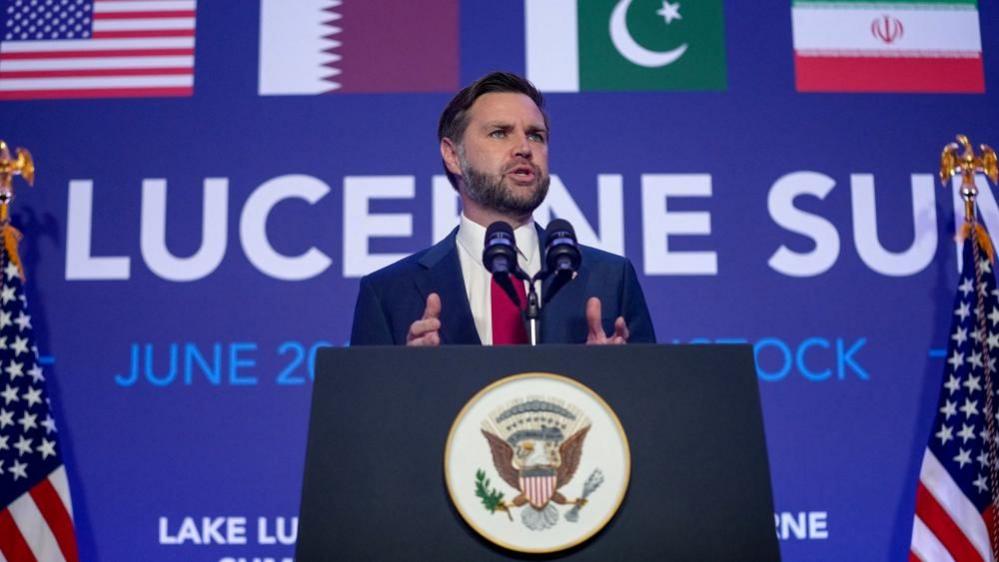
In a statement delivered at the G7 summit in Baku, President Donald Trump announced that a preliminary deal to end the war with Iran had already been signed and that the full text would be released "pretty soon."
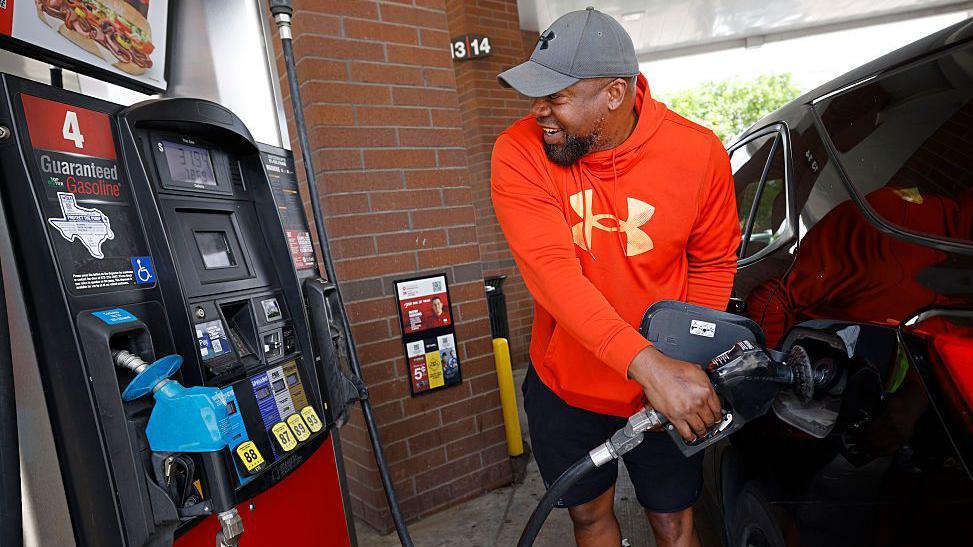
The agreement was signed electronically by Trump, Vice‑President John G. D. Vance, and Iranian Parliament Speaker Mohammad Bagher Ghalibaf. According to US officials, the deal formally closes the blockade of Iranian ports and re‑opens the Strait of Hormuz, a move that begins to lift pressure on oil flows.
Key components of the pact include a 60‑day ceasefire extension, the reopening of the Strait of Hormuz, and the initiation of technical talks on Iran’s nuclear programme. Provisions for sanctions relief and the release of frozen assets will hinge on Iran’s compliance with its commitments.
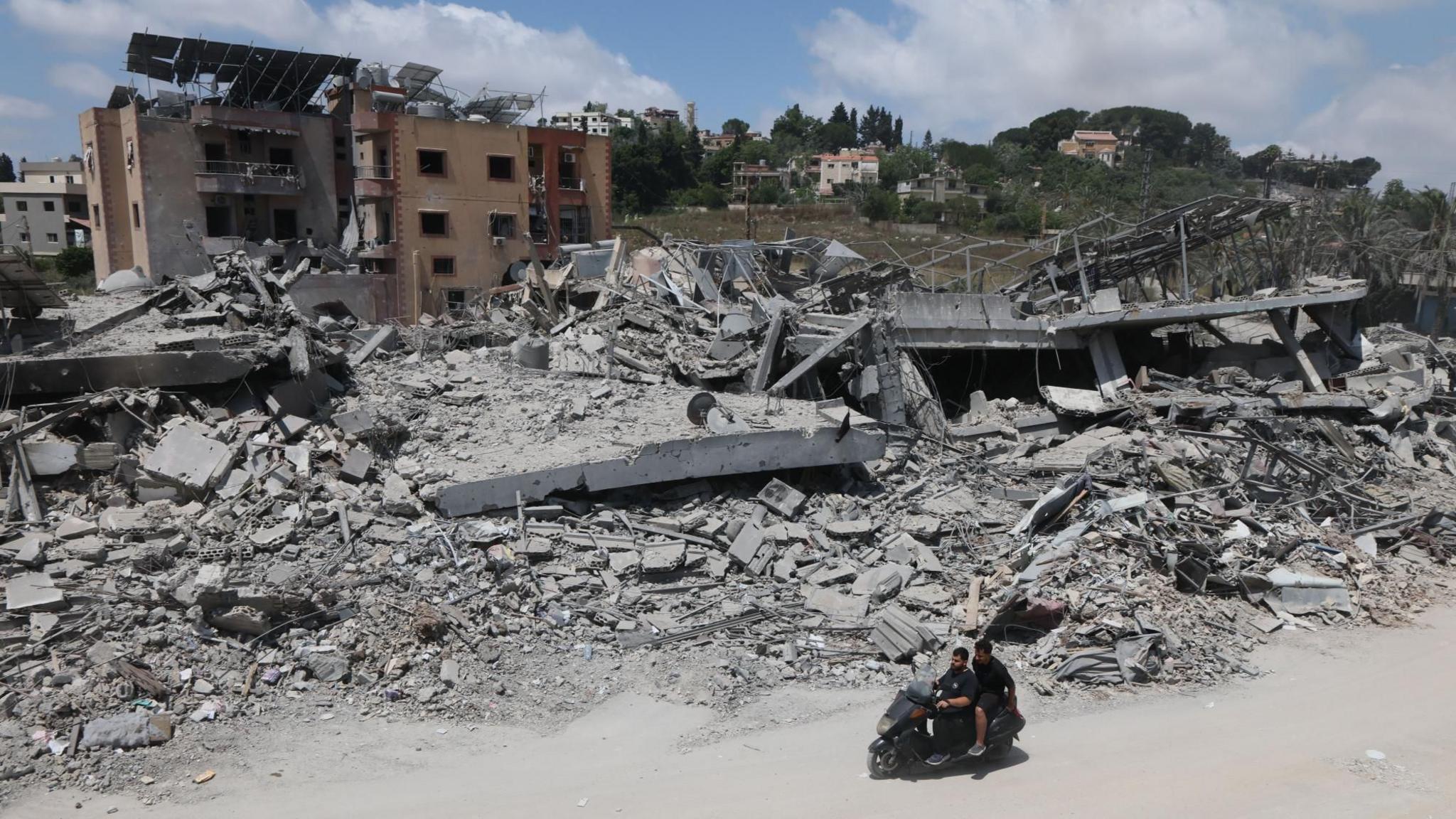
Israel’s Prime Minister Benjamin Netanyahu, speaking after a lethal strike in southern Lebanon, reiterated that Israeli forces would remain in security zones in Lebanon, Syria and Gaza "as long as necessary" and would retain the right to counter attacks. He also stressed that Iran is not allowed to acquire nuclear weapons, regardless of any deal.
The agreement was praised by Western leaders. UK Prime Minister Sir Keir Starmer called the deal a "huge step forward" for regional stability, while France, Germany, Italy and the UK leaders jointly warned that Iran must never obtain a nuclear weapon and would be ready to lift sanctions in response to verifiable nuclear‑compliance steps.
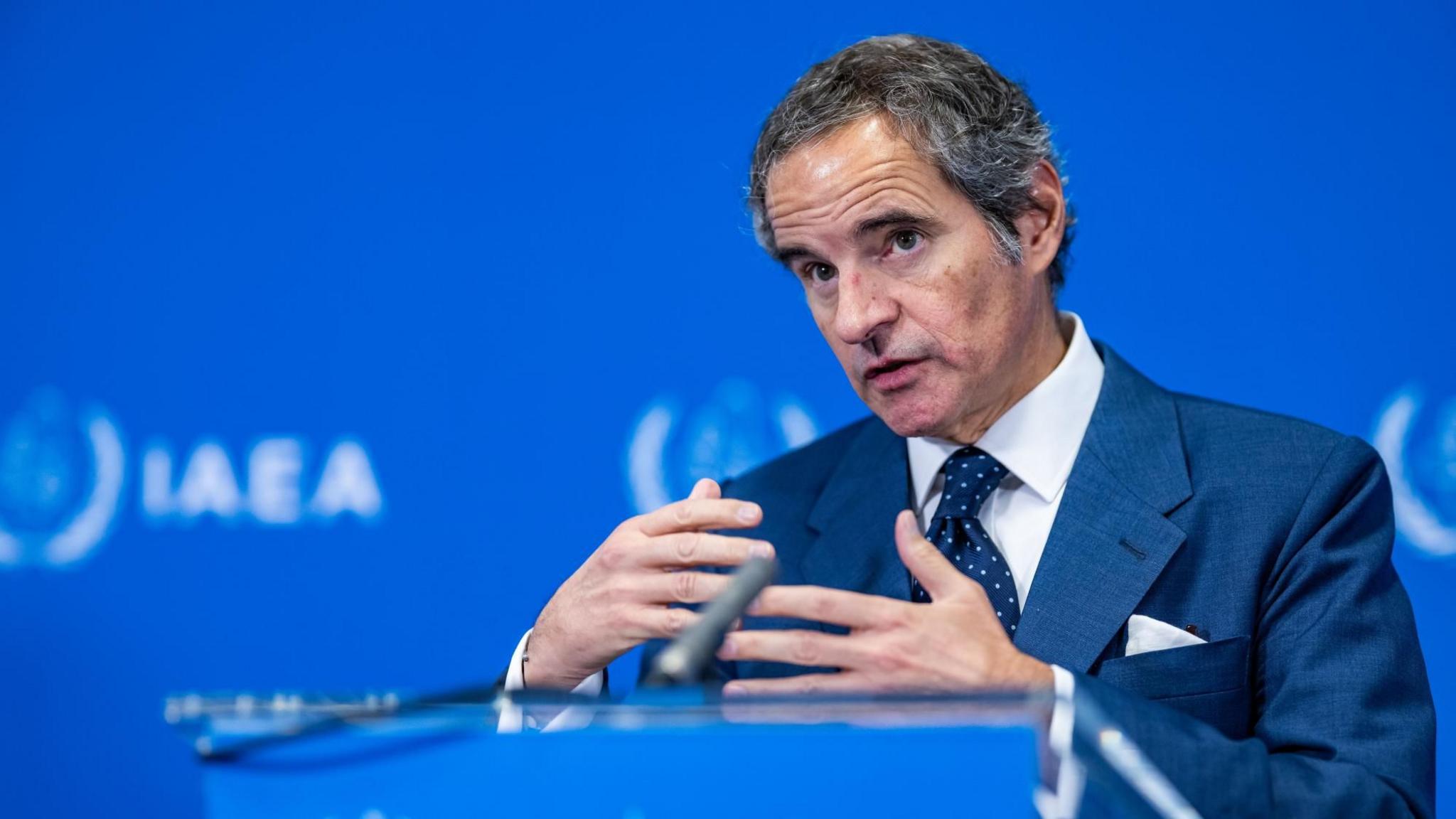
Iran’s Deputy Foreign Minister Kazem Gharibabadi described the formal agreement as a victory for Tehran, noting that mediators had engaged in 14 to 15 hours of talks in Tehran. Nevertheless, the Iranian foreign ministry warned that the country still harbours deep mistrust of the United States and sees the deal as only a partial step toward easing tensions.
Lebanese President Joseph Aoun welcomed the announcement, hoping the understandings will translate into "practical steps that will put a definitive end to the cycle of violence." The remaining disputes revolve around nuclear enrichment, comprehensive sanctions relief and access to billions in frozen oil revenues.
The U.S. signed the deal at the G7 summit, expecting its full text to be released by Wednesday. Should Iran meet the terms, the U.S. may lift relevant sanctions, and the strategic region could see significant shifts in diplomacy and energy markets.