Netanyahu’s Political Fallout as US‑Iran Deal Divides Israel
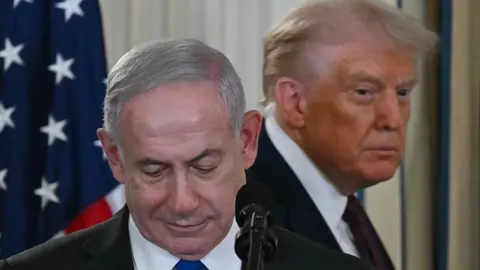
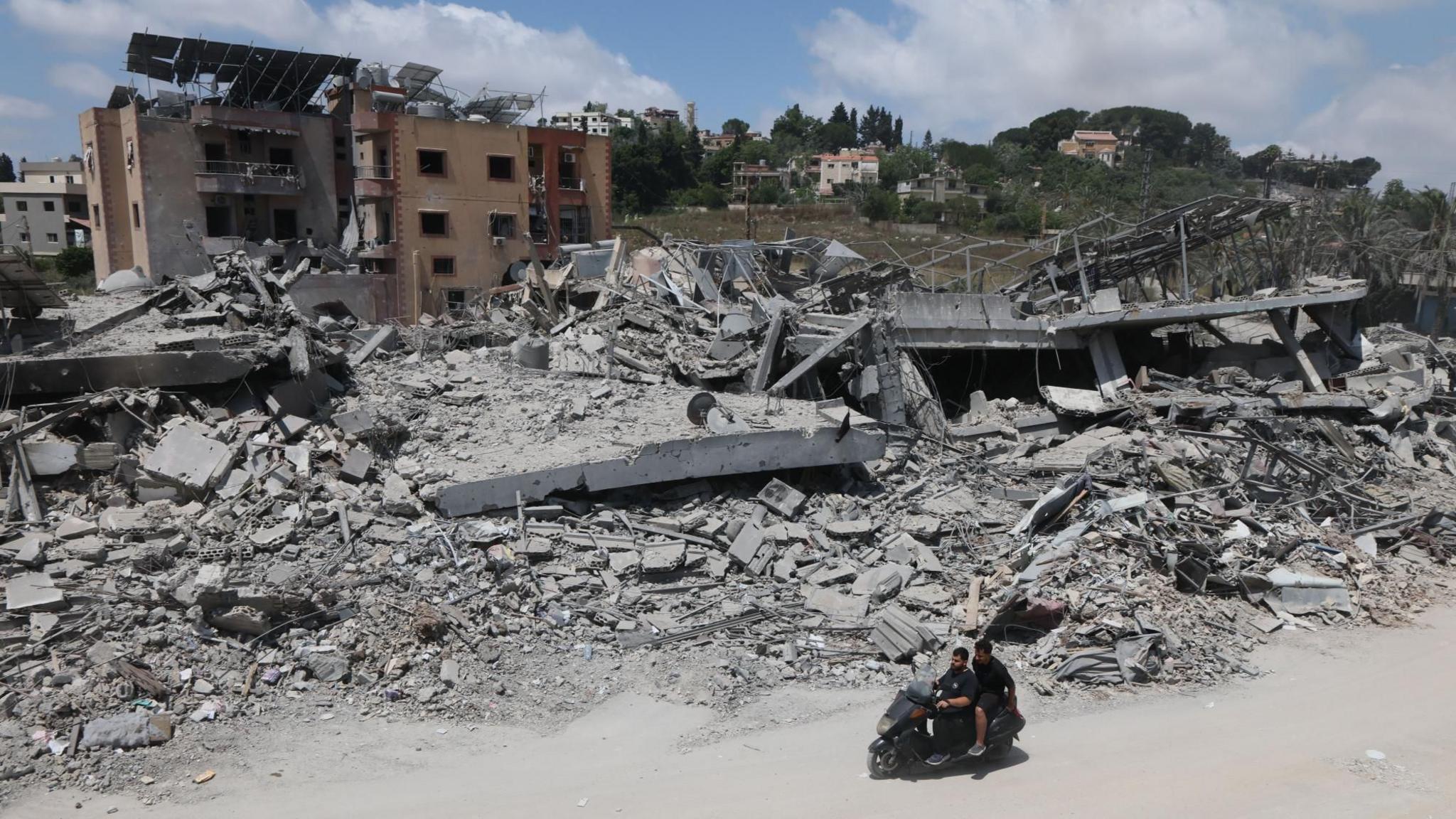
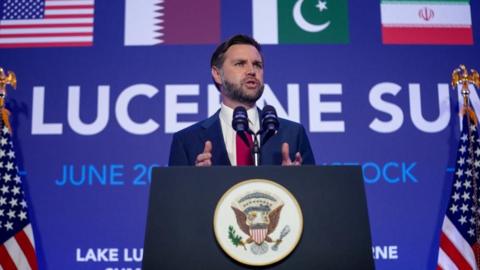
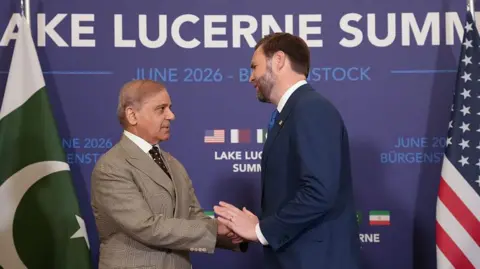
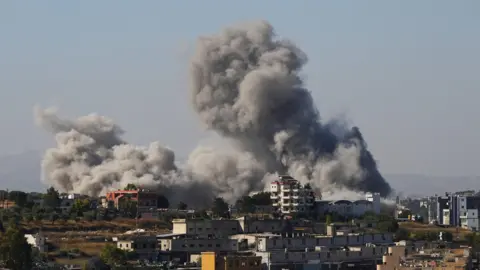
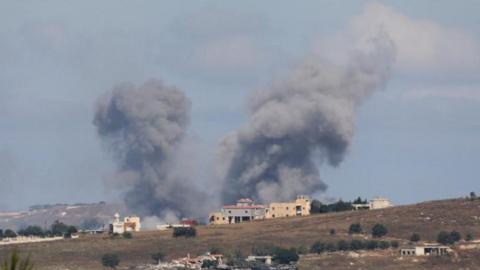
The U.S.‑brokered ceasefire agreement, aimed at stabilising relations with Iran, has thrust Israel’s Prime Minister Benjamin Netanyahu into a political nightmare. The deal’s insistence on halting offensive actions in Lebanon and across all fronts has split his coalition and drawn sharp criticism from far‑right leaders.
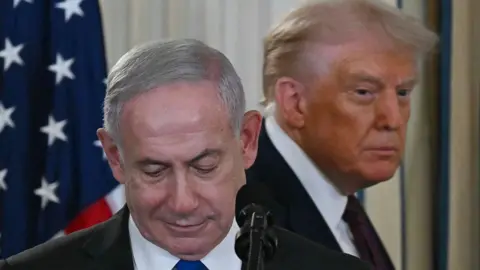
“Trump’s agreement does not bind us,” Israel’s far‑right national security minister, Itamar Ben‑Gvir, posted on social media, underscoring the sense that Washington’s policy could sideline Israeli security interests. Likewise, Kibbutz leader Ariel Kallner reminded that “Israel will continue to protect itself,” leaving the question of whether that meant further attacks unresolved.
The ceasefire’s blanket coverage of military operations on all fronts has led to fury from members of Netanyahu’s own Likud party. Yair Lapid’s stark warning in the Knesset—either “direct confrontation with our greatest ally or a submissive surrender of Israeli interests”—captures the depth of the dilemma.
Former Mossad‑official and Iran specialist Sima Shine mused that “by allowing Iran to decide what will happen in Lebanon, the US is giving Iran the possibility to continue to support Hezbollah.” The criticism highlights fears that the deal might strengthen Tehran’s influence in the region.
Netanyahu’s aggressive security stance—shifting from containment to pre‑emptive action after Hamas’s October 2023 assault—has led to occupation of large Gaza, Lebanon and Syrian areas. While popular with many Israelis, the strategy stretches military resources and leaves no clear diplomatic exit.
External analysts, such as Danny Citrinowicz of the Institute for National Security Studies, warn that “any Israeli military move perceived in Washington as an attempt to sabotage the agreement will encounter a harsh response.” The current environment, they argue, leaves Netanyahu’s traditional political whispering power in Washington over by its own side.
In this climate, Netanyahu faces a choice: confront the ally or surrender strategic objectives. The fallout could redefine Israel’s security architecture and possibly influence the upcoming election.