In brief
Ethiopia’s general election delivered a landslide win for Prime Minister Abiy Ahmed’s Prosperity Party, who secured 438 of the 501 contested seats. The result comes while the country continues to grapple with violence in the Amhara and Oromia regions and the fragile peace in Tigray, leaving security analysts wary that conflict could reignite. Opposition groups accuse the government of repression and limit participation, and stalled polling in key areas further stokes uncertainty. International actors such as the EU and the US have issued warnings and sanctions aimed at de‑escalating tensions. With his second term looming, observers warn that the political consolidation under Abiy risks deepening ethnic divisions and threatening regional stability.
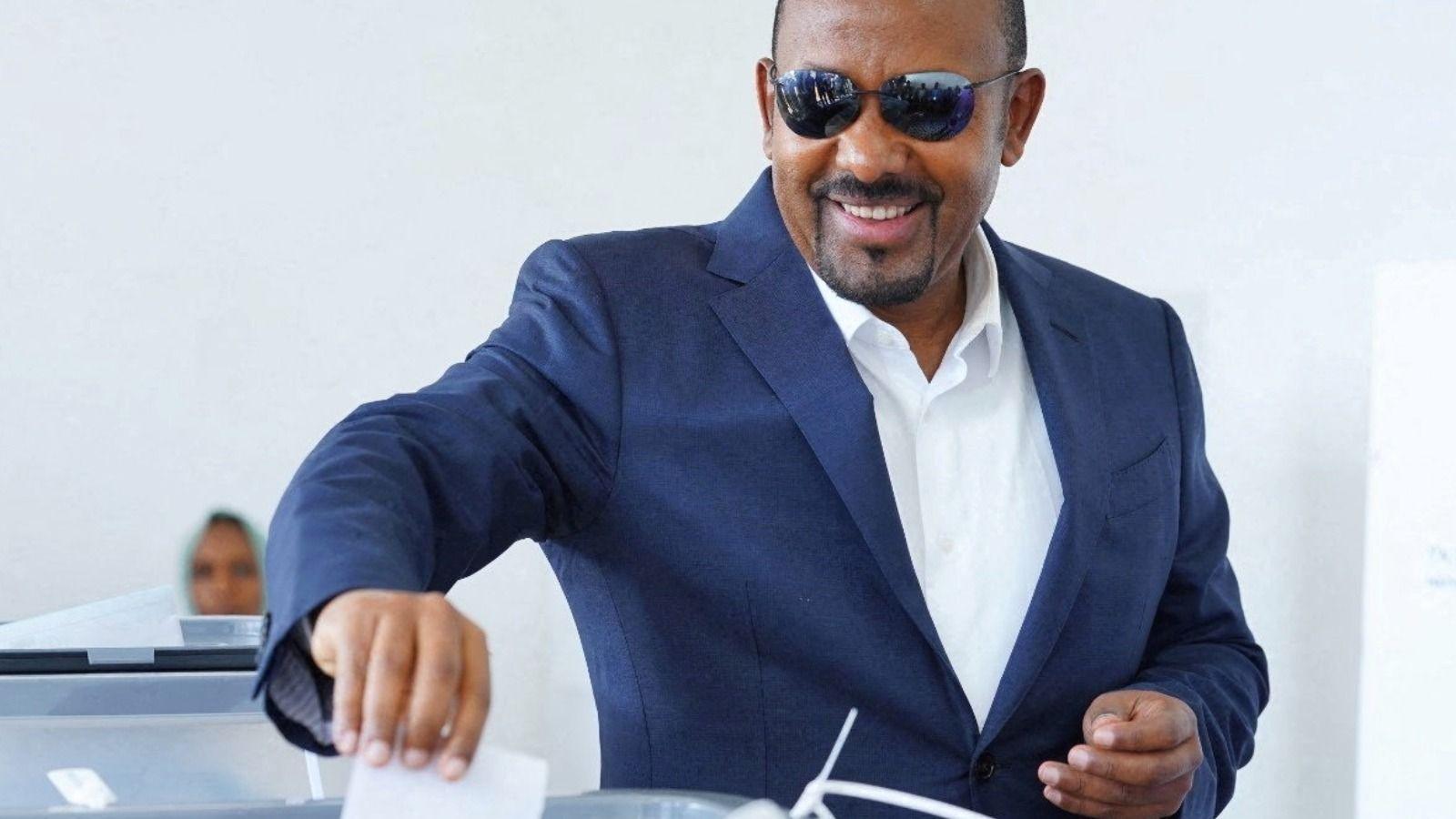
Prime Minister Abiy Ahmed’s Prosperity Party won an overwhelming majority in Ethiopia’s latest general election, taking 438 of the 501 contested seats and securing a new term of office.
The victory, announced on 21 June 2026, comes against the backdrop of widespread violence in the Amhara and Oromia regions, where armed groups have disrupted polling, and the fragile peace in Tigray after a two‑year civil war that ended only last year. Eleven polling stations in the most populous provinces failed to open because of safety concerns, and a total of 49 seats remained vacant.
Opposition parties accuse the government of political repression and a tight grip on the electoral process, with claims that the Fano militia and the banned Oromo Liberation Army rejected the results and that Tigrayan political groups had their own independent administration in the capital, Mekelle, shut down by Abiy’s cabinet.
Analysts note that Abiy’s agenda—his 2021 Nobel Peace Prize and his 2022 peace treaty with Eritrea—has not prevented a rise in ethnic tensions or an escalation of the Tigray conflict. The United Nations estimates that the conflict killed roughly 600,000 people, though the government denies siloed food aid restrictions.
The European Union and the United States have both called for “immediate de‑escalation” and imposed visa restrictions on hard‑line TPLF members, citing concerns that the alliance between the Tigrayan Peoples’ Liberation Front and Eritrea could spill over into Ethiopia’s borders with Sudan.
Security experts warn that while an immediate return to open warfare is unlikely, the low‑level unrest poses a “dangerous scenario” that could morph into a regional conflict if pro‑government and Tigrayan factions fail to negotiate. With Abiy’s consolidation of power set to be sworn in early October, the country stands at a crossroads where resolution or escalation will shape Ethiopia’s future for decades.