Ethiopia’s Election Landslide Leaves War‑Torn Regions on Edge
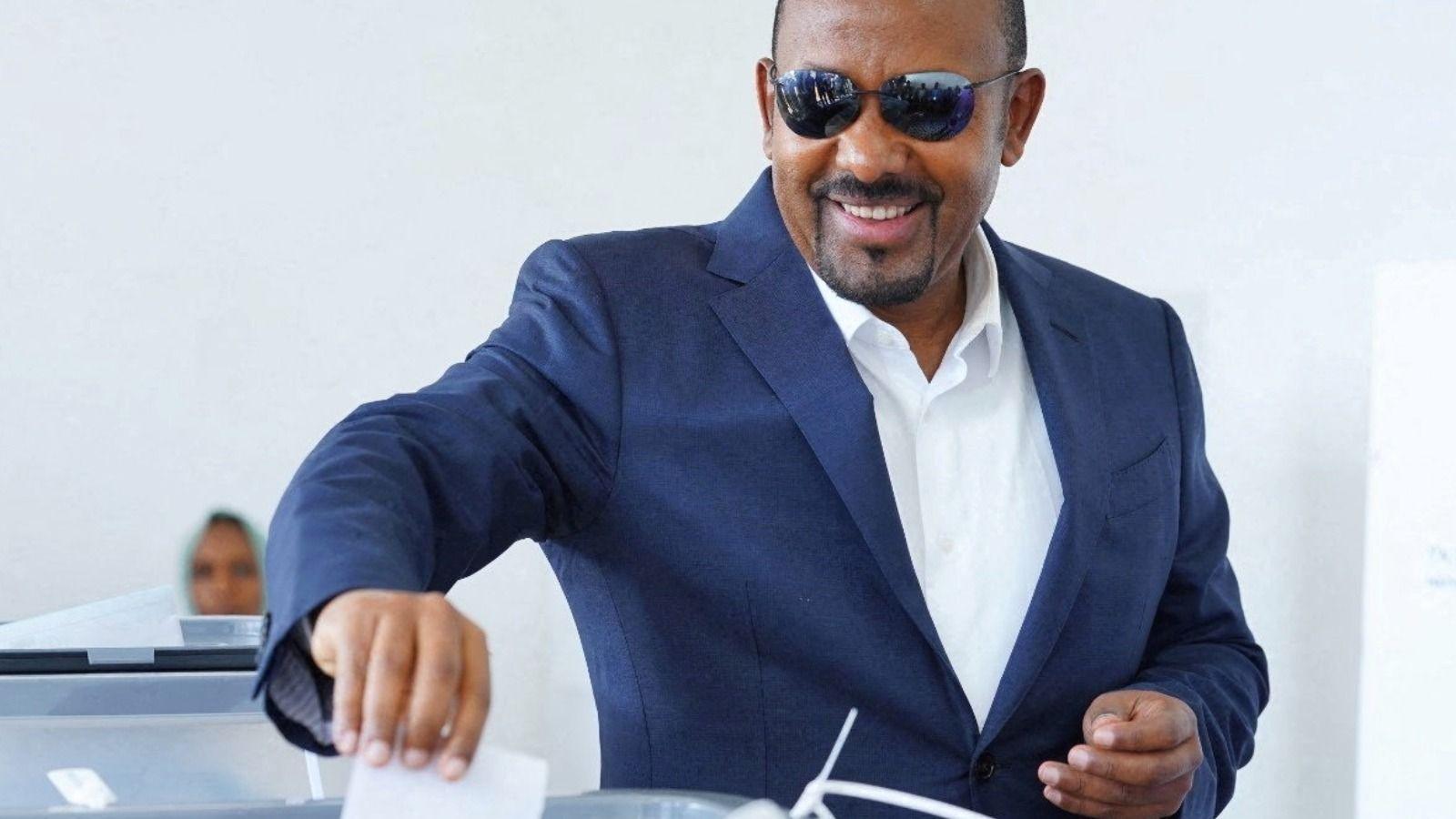
Prime Minister Abiy Ahmed’s Prosperity Party captured 438 of 501 contested seats, securing a parliamentary majority that will carry him into another term at the start of October. The win, reported by Reuters, was achieved amid widespread claims of intimidation, limited opposition participation and ongoing militia violence in the country’s major provinces.
Victory Amidst Conflict
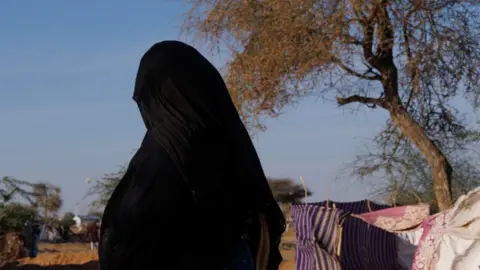
The election’s atmosphere was marred by reports that 143 polling stations in Amhara and Oromia remained closed because of armed groups refusing to allow voters—particularly the Fano militia and outlawed Oromo Liberation Army—to function. The Tigray region, still reeling from a two‑year conflict that ended in 2022, was shut out of the vote, raising fears that fighting could resume.
Tigray’s Uncertain Future
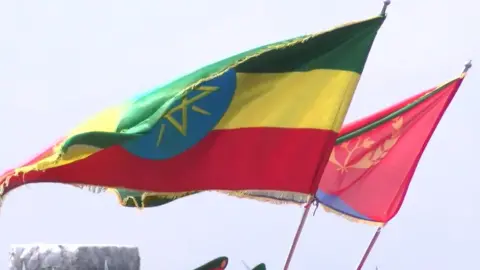
The Tigrayang People's Liberation Front has restored its pre‑war administration, rejecting the interim government imposed by Abiy’s cabinet. Analysts, including former US State Department officer Cameron Hudson, warn that the TPLF’s rhetoric and recruitment practices could spark renewed hostilities, especially as Eritrea’s government—once an ally of the TPLF—now backs the Ethiopian government.
Regional Implications
Eritrea’s accusations that Ethiopia sought a Red Sea port and its ties to Sudan’s insurgent factions further complicate the region’s security calculus. The European Union and the United States have issued warnings and targeted visa restrictions against hard‑line TPLF members, calling for immediate de‑escalation.
Key Voices on the Horizon
Magnus Taylor of the International Crisis Group emphasizes that while an immediate war is unlikely, the persisting low‑level tensions pose a “dangerous scenario” that could spill beyond Ethiopia’s borders. For now, the coming months are seen as a crucial period that may decide whether Ethiopia can consolidate power peacefully or slide back into conflict.
Just before the election, the TPLF’s refusal to accept the peace agreement and accusations of the government “moving away from the pact” deepened the divide. Local authorities deny forced recruitment, but TPLF supporters claim that youths are being “trained to defend themselves” amid rising militancy.
If the new government under Abiy Ahmed cannot address these grievances and enact meaningful reforms, regional actors may recalibrate alliances, potentially turning the fragile peace into a new flashpoint.
Reuters