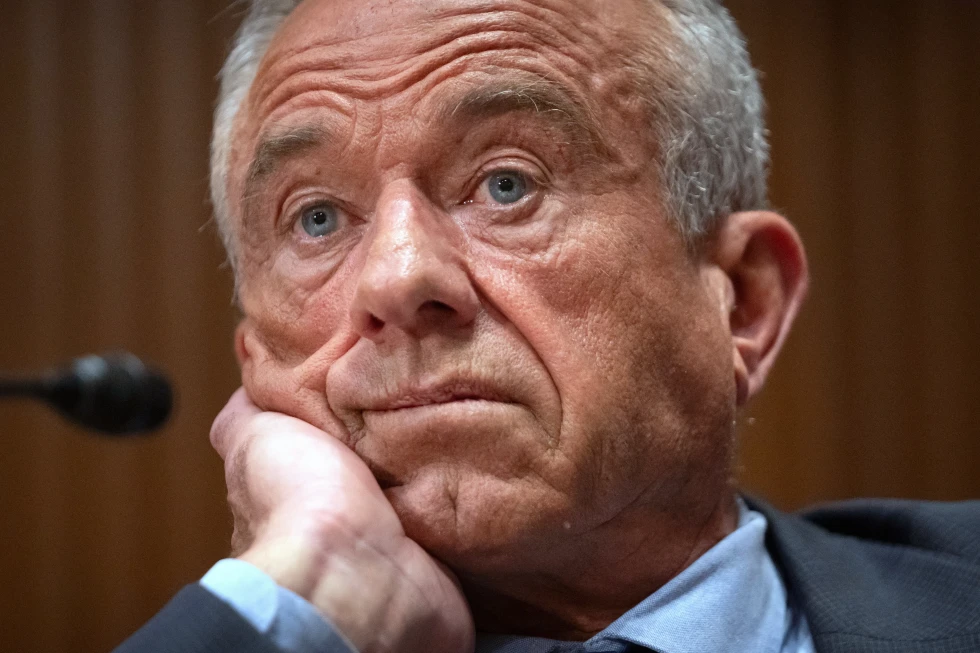
In a recent wave of health discourse, Health Secretary Robert F. Kennedy Jr. has stirred controversy by suggesting that dietary changes can lead to the 'cure' of serious mental illnesses like schizophrenia and diabetes. His comments, made during various media appearances and public speeches, have raised eyebrows among both supporters and skeptics.
Kennedy has championed the slogan 'Eat real food,' which aligns with the overarching initiative of promoting healthier eating habits. However, detractors argue that his claims significantly overstate the current scientific understanding of diet's role in treating complex medical conditions.
Experts in psychiatry have voiced their concerns, asserting that while diet can influence health, the idea that patients could entirely replace medication with dietary changes could be misleading. Dr. Theresa Miskimen Rivera of the American Psychiatric Association emphasized the risks, stating that such beliefs might lead patients to forego necessary medical treatment.
Kennedy's assertions about diet's power stem from anecdotes, including the mention of a Harvard study where patients reportedly achieved symptom remission from schizophrenia through a ketogenic diet. Yet Dr. Christopher Palmer, who conducted the research, clarified that remission should not be equated with a cure and criticized the use of such imprecise language.
Beyond mental health, Kennedy has remarked that 'most diabetes can be cured through diet.' This statement has ignited debate among diabetes experts, many of whom agree that while diet is crucial in managing Type 2 diabetes, it cannot serve as a standalone cure. Dr. Willa Hsueh highlighted that while nutrition and exercise are vital, they often need to be coupled with medication for effective disease management.
Despite the divided opinions, there seems to be a consensus on the potential for dietary interventions. Advocates like Dr. Dariush Mozaffarian recognize the importance of nutrition in chronic disease management and argue for a broader focus on healthy diets in the medical community.
The conversation surrounding Kennedy's statements serves to underscore the need for rigorous research into the effects of diet on health, especially mental health. As the scientific community continues to explore these connections, both patients and practitioners are reminded to remain informed and cautious when considering dietary interventions in the treatment of serious health issues.