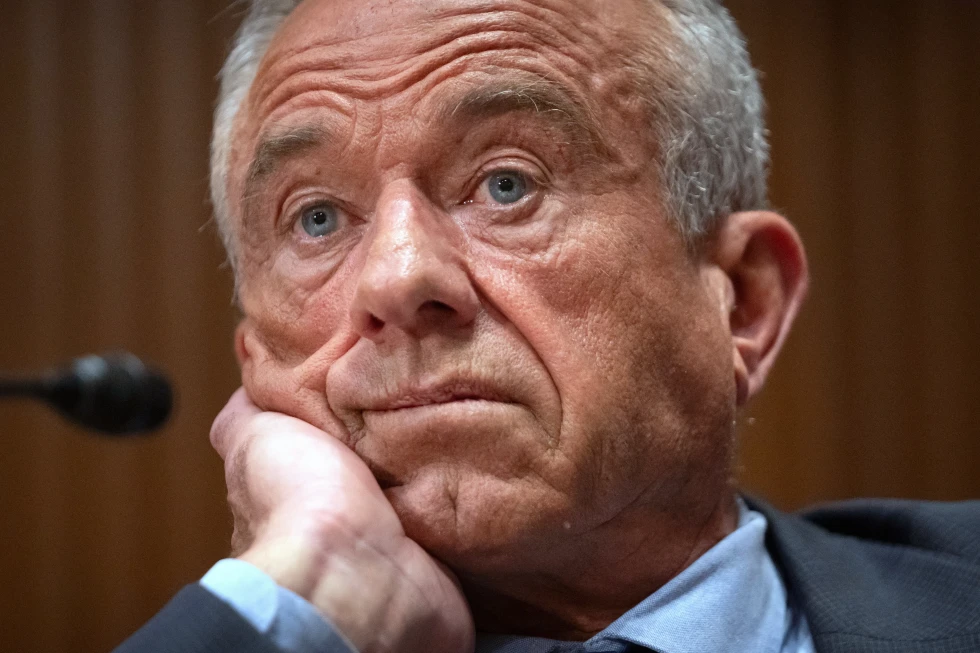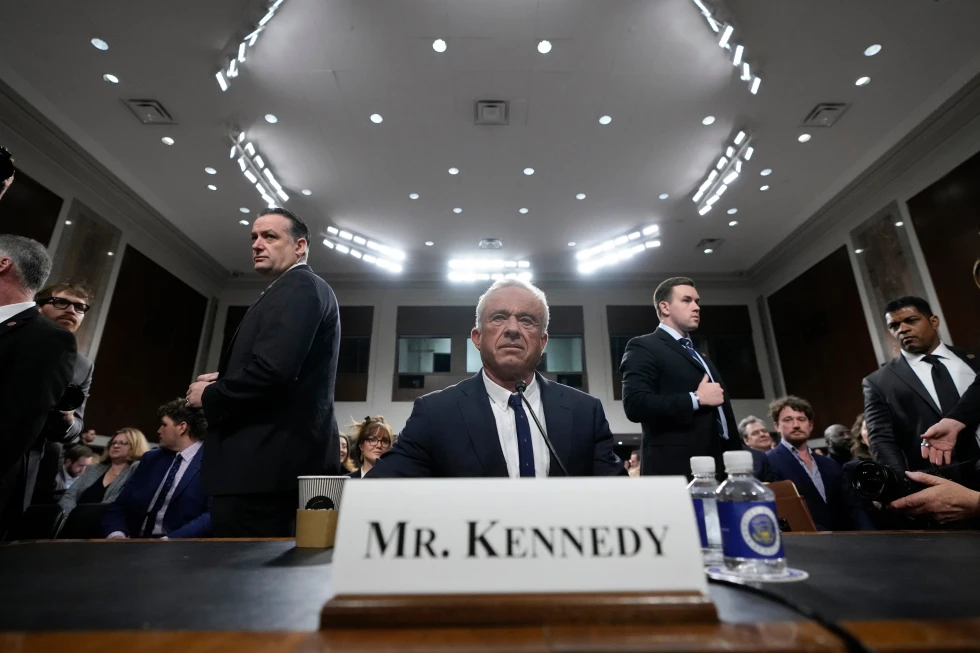
SINCE Robert F. Kennedy Jr. was sworn in to lead the U.S. Department of Health and Human Services one year ago, he has defended his twisting of federal health policy by saying the changes will restore trust in America’s public health agencies.
But as the longtime leader of the anti-vaccine movement scales back immunization guidance and dismisses scientists and advisers, he has clashed with top medical groups who argue he’s not following the science.
The confrontation is deepening confusion among the public that had already surged during the COVID-19 pandemic. Surveys show trust in the agencies Kennedy leads is falling, rather than rising, amid dramatic changes in the country’s health landscape.
Kennedy asserts he aims to boost transparency to empower Americans to make their own health choices. However, healthcare professionals counter that the unchecked misinformation he promotes is inflicting significant damage and could lead to a surge in preventable diseases.
Historically, federal scientific and public health agencies enjoyed high ratings in public opinion polls, with organizations like the CDC scoring well even above many other government agencies. Yet, trust began to slump during the COVID-19 pandemic, driven by missteps and unpopular guidance.
As Kennedy urges a mandate to restore transparency, he faces criticism for having created some of the trust issues he now seeks to resolve.
Many Americans, including medical professionals, are increasingly alarmed by Kennedy’s directive to abandon long-standing vaccine recommendations, which have resulted in a reduction of vaccines for children and an increase in public skepticism.
Recent surveys highlight that public confidence in the CDC has dropped significantly under his leadership, leading to concerns that the changes will spur a public health crisis.
In response to declining trust among the populace and amidst mounting evidence of resurgence in once-controlled diseases, health advocacy groups are pressing Congress to review Kennedy’s policy decisions, emphasizing the necessity for thorough scientific scrutiny.
Despite Kennedy's stance on personal decision-making for families, many, including health professionals, are alert to the potential consequences of misinformation being legitimized at the federal level.