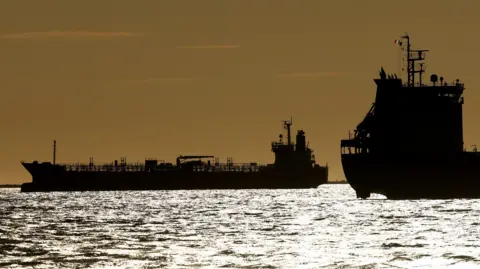
Nearly 100 ships have passed through the Strait of Hormuz since the beginning of March, according to data analyzed by BBC Verify, amidst recurrent attacks on shipping by Iranian forces.
This noticeable decline in daily traffic—down approximately 95% from pre-war levels on February 28th—is significant considering the strait's status as one of the world's busiest shipping lanes, previously accommodating about 138 ships daily. The ongoing conflict has raised substantial concerns over shipping safety in the region.
In March, reports show 99 vessels making the transit, averaging about 5-6 ships per day. Notably, around one-third of these vessels had connections to Iran, including 14 under its flag and several others facing sanctions linked to Tehran's oil exports.
Additionally, some ships linked to China and those with destinations in India have been noted among the crossings, revealing an intricate web of maritime navigation amidst geopolitical tensions.
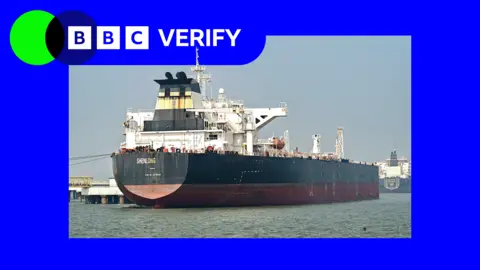
To manage risks, many vessels have opted for less common routes to evade detection and potential attacks, as suggested by the tracking patterns of a Pakistan-flagged oil tanker that hugged the Iranian coast during its passage.
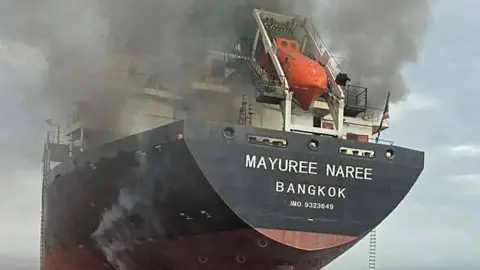
Experts remark that the fear of attacks, including on commercial vessels, has reshaped the maritime landscape in the Strait of Hormuz, with analysts noting several attacks on commercial ships in the area since the conflict escalated.
The complex interplay of political, military, and maritime strategy continues to challenge shipping operations, leading to critically low numbers of vessels navigating this crucial maritime route. With concerns of aerial and maritime threats from Iran, the choice of routing has become a critical factor for maritime operators in this strategically significant region.