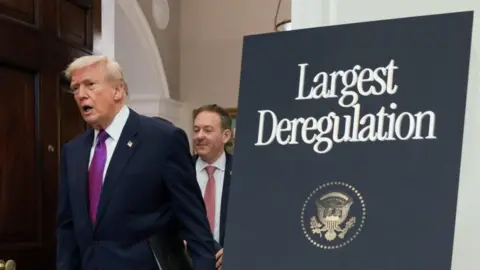
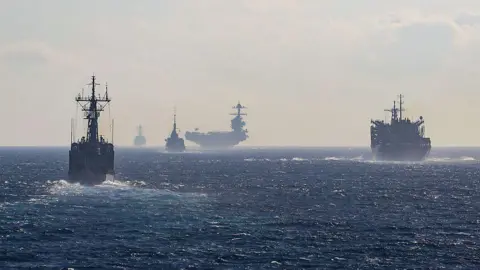
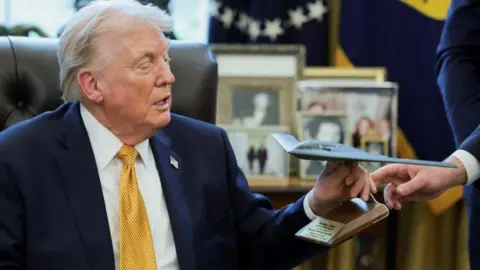
In the third week of the joint US-Israeli war against Iran, Donald Trump faces decisions that could define the rest of his presidency. But if the American commander-in-chief is grappling with a war of choice that seems in danger of spiralling in ways he can't control, those concerns are not playing out in public. In more than an hour of public remarks at the White House, he discussed his thinking on the state of the war effort - and also on various unrelated topics. Trump’s nonchalant style reflects a classic approach: unscripted and wide-ranging. Over the weekend, he even managed time to play golf and express concerns on social media about Supreme Court rulings alongside updates on the Iran war. While the leadership may seem confident, the reality showcases the long-held lesson that conflicts can dominate a presidential agenda, whether the leader intends it or not. Despite his earlier proclamations of the war being “already won,” the evidence suggests a prolonged and uncertain timeline. Trump's announcements of altering planned trips hint at the war's impact on foreign relations, emphasizing his role as commander-in-chief during continued military operations. Press Secretary Karoline Leavitt underscored this, dubbing the conflict 'Operation Epic Fury.' Recent weeks have seen Trump attempting to mobilize international assistance for ensuring navigational safety in the contentious Strait of Hormuz, yet responses from allies have indicated reluctance to engage further. Choosing to escalate military commitments comes with substantial risks of domestic backlash, particularly with a war-weary public and forthcoming elections. As fuel prices soar, the implications for Trump’s popularity crystalize, especially within the context of Americans' economic concerns. While temporary complacency among his core supporters remains for now, rising gas prices might jeopardize his precarious political standing unless he finds a viable resolution soon. Trump’s current calm amid potential turmoil encapsulates the fraught nature of his presidency as he confronts decisions fraught with both strategic importance and peril.
Trump's Stance on Iran: Confidence Amidst Rising Risks
Trump's Stance on Iran: Confidence Amidst Rising Risks
As Donald Trump navigates the complexities of the ongoing war against Iran, his mixed public demeanor contrasts with the mounting challenges and decisions he faces that could impact his presidency significantly.
In the midst of a joint US-Israeli war against Iran, President Trump's unwavering confidence stands in stark contrast to the severe risks associated with military decisions. Despite discussing unrelated topics in public, the ongoing conflict raises questions about the long-term implications on his presidency, domestic approval ratings, and the economic landscape, particularly regarding rising oil prices. The administration reveals concerns over Iran's aggression in the Strait of Hormuz, while potential military escalations could ignite broader public dissent.