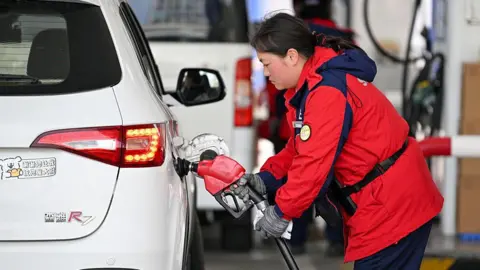
China Faces Energy Crisis Amid Iran War Tensions
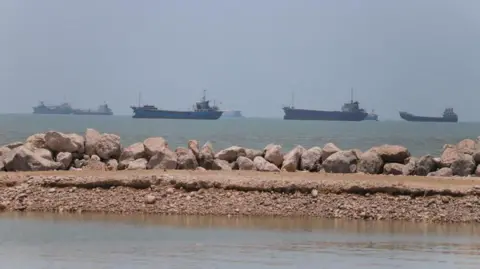
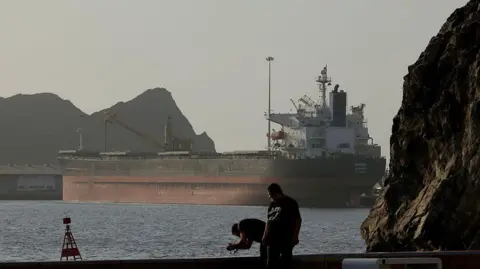
The ongoing conflict in Iran has exacerbated global energy supply issues, particularly affecting oil shipments through the Strait of Hormuz.
As major energy suppliers in the Gulf halt shipments in response to heightened tensions, Asian countries, including the Philippines and Indonesia, are grappling with fuel shortages and are adopting measures such as reduced work weeks to conserve energy. China, as the leading consumer of oil, is similarly affected but is in a comparatively favorable position due to its preparedness and strategic reserves.
A Test of China's Energy Network
The war's impact on oil prices has been dramatic, with costs soaring close to $120 a barrel following disruption to crucial transport routes.
China consumes around 15 to 16 million barrels daily, primarily for transportation and industrial use. While significantly reliant on Gulf oil, China has diversified its energy portfolio with a notable share coming from Russia and substantial domestic production, mitigating some impacts of the conflict.
Prepared for Rainy Days
Having built sizable oil reserves over the years, Beijing has positioned itself to weather such crises. The government ramped up crude purchases prior to the conflict, and recent analyses estimate that around 900 million barrels are in reserve.
Moreover, China's energy strategy has increasingly favored renewables, with wind and solar power now constituting a significant part of its energy landscape, further reducing its vulnerability to oil supply shocks.
China's Quest for Self-reliance
While the country rapidly expands its renewable energy infrastructure, the demand for oil, although currently high, may plateau moving forward as EV adoption and shifts in energy consumption patterns continue to grow.
Despite the strategies in place, the economic aftershocks of rising oil prices due to the Iranian conflict could still affect China, particularly for its manufacturing sector and consumers relying on gasoline.