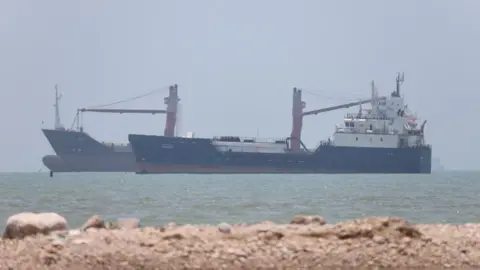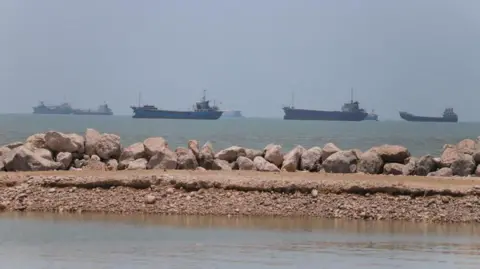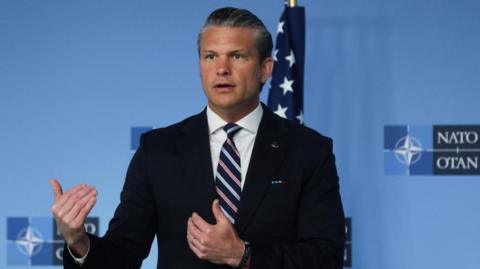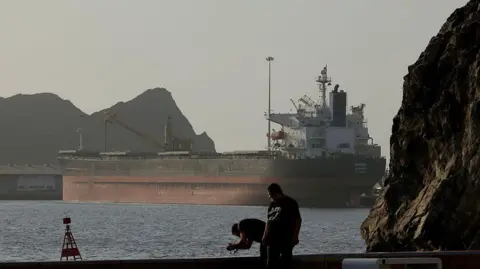
The knock-on effects of the conflict in the Middle East are awakening ghosts of crises past that shook the European Union.
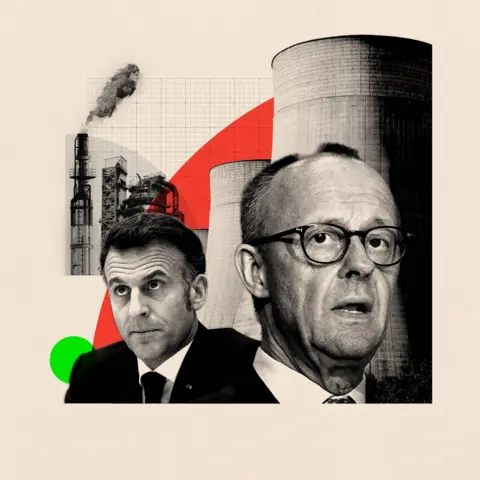
Seven months into Russia's invasion of Ukraine, the President of the European Commission stood at her podium in the European Parliament and accused Russia of manipulating the EU's energy market. They prefer to flare the gas than to deliver it, proclaimed Ursula von der Leyen, as spiralling energy prices hit consumers across the continent. This market is not functioning anymore.
Fast forward four years and deep energy-linked frustration is felt in the heart of Europe once again. A frustrated European diplomat reflected on the current energy shock triggered by the Middle East conflict, stating, Instead of concentrating on much-needed long-term plans, leaders are panicking over energy prices, worried about angry voters and scrambling for short-term solutions.
The focus on urgent fixes comes after Europe committed to phasing out its reliance on Russian resources following the crisis in Ukraine. Despite the transition, the continent still faces significant challenges, as evident in the latest summit discussions among leaders. Major energy reforms and a strategic focus on diversification remain essential yet elusive.
Ursula von der Leyen emphasized the urgent need for relief from skyrocketing prices, calling for comprehensive measures to cool the public's frustration. However, the spiraling costs due to the ongoing Middle East crisis threaten to endanger the unity within Europe once more.
Europe's energy crisis is underscored by increased dependence on US imports, primarily LNG, which now constitutes a large portion of its energy supply. This has left the continent vulnerable to market volatility and geopolitical pressures, as glimpses of conflict in the Gulf can cause immediate and dramatic price spikes.
As leaders convene to devise solutions, the stakes are high, with public sentiment shifting rapidly towards those advocating for economic relief and tangible energy security measures. The future remains uncertain as Europe navigates its energy landscape amid global tensions, with possible repercussions on its policy and market structures.