Strategic Outcomes in the Iran Conflict: A Closer Look at the Players
Most people, although not everybody, want this war to end as quickly as possible. But on what terms? That is where positions diverge.
The United States
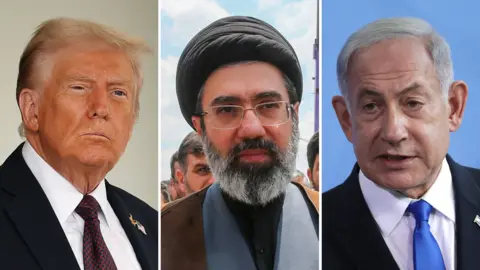
President Donald Trump's war aims have been somewhat opaque, appearing to vacillate between a simple curtailment of Iran's nuclear programme to total collapse of the Islamic Republic regime. So far, Iran has neither capitulated nor collapsed, but its military has been severely weakened. The Omanis report that indirect talks in Geneva made progress, but Iran wasn't prepared to discuss curtailing its ballistic missile programme.
In an ideal scenario for Washington, the war would end with the collapse of the Iranian regime, replaced by a peaceful government. However, this seems unlikely as it appears the regime remains resilient.
US actions and policies are influenced by rising global oil prices and the potential drain of another costly Middle Eastern conflict.
Iran
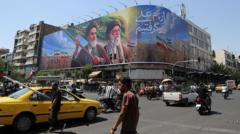
Iran wants the war to stop quickly but not at any price. They believe they have the strategic patience to outlast Trump, given their geographical advantages, specifically the Strait of Hormuz, which controls oil supply routes. Officially, Iran is demanding a guarantee against future attacks and reparations for the damage inflicted but seems unlikely to secure these assurances.
Iran's leadership emphasizes that survival through the conflict is viewed as a victory, regardless of the physical or strategic outcomes.
Israel
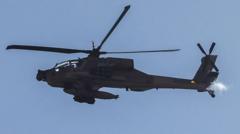
Israel seeks prolonged conflict to diminish Iran's ballistic missile capabilities decisively. With the intent to destroy storage depots and military infrastructure, Israel views the Iranian missile programme as a substantial threat to its national security. Iran's military capabilities present a challenge that the government of Prime Minister Benjamin Netanyahu cannot afford to ignore.
The Gulf States
The Gulf states, previously comfortable with Iran across the water, have become increasingly furious about Iranian aggression, even as they did not support the war.
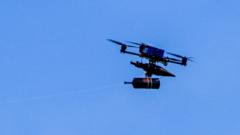
Facing relentless drone attacks, they express a lack of trust in Tehran, marking a significant shift in their relations. As the situation continues to evolve, their reactions and strategies will also play a role in shaping the conflict's outcome.
Ultimately, the Iran war is not just a regional struggle but a complex interplay of interests and power among multiple nations, each with distinct objectives that will influence the future of the Middle East.