Shipping disruptions from the US-Israel war with Iran have squeezed gas supplies to India, risking a temporary shift back to polluting fuels like coal, kerosene, and biomass, experts say.
Reports suggest some regions in India are witnessing a spike in timber sales, while others see increased sales of cow dung cakes - both biomass fuels.
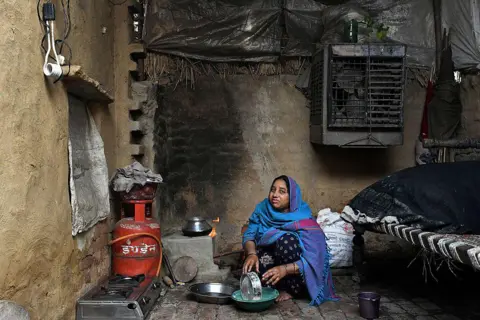
India has been dealing with a squeeze in cooking gas supplies over the past few days, leading to panic-buying by domestic users.
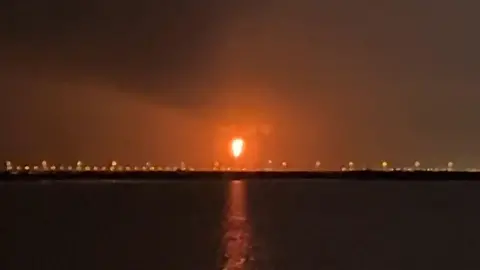
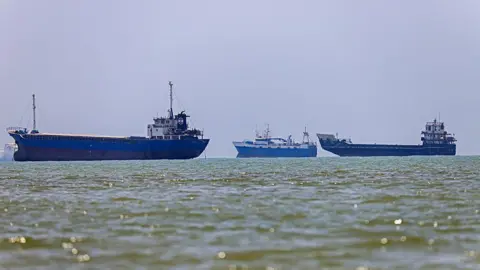
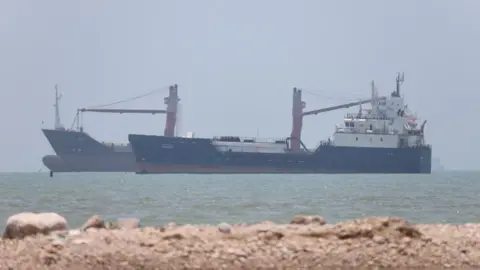
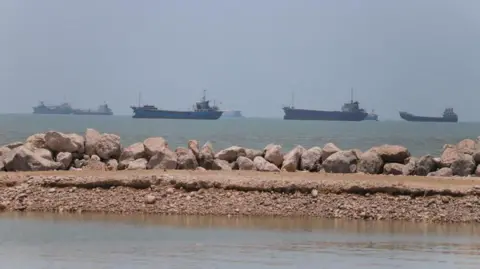
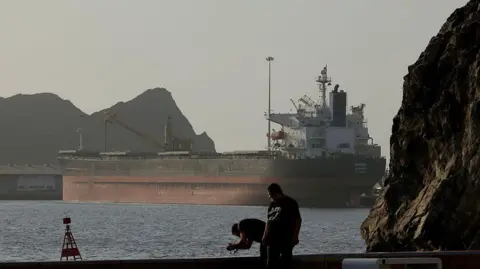
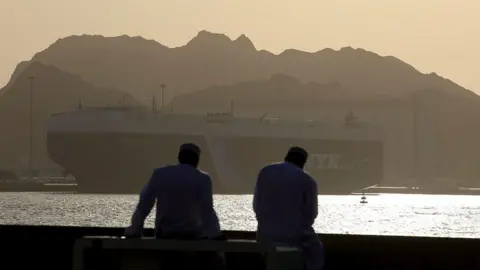
The war that started on 28 February has halted ship movements through the Strait of Hormuz, a critical area for global oil and gas transport.
Approximately half of India's LNG imports and most LPG shipments depend on the Strait. Although talks with Iran may ease disruptions, many vessels remain stalled, heightening supply concerns.
The federal government has approved an extra 48,000 kilolitres of kerosene for distribution to low-income households through the public distribution system (PDS) in light of the crisis.
While there are reports of increased sales in kerosene, coal, and biomass, experts believe this trend will be short-lived as consumers typically revert to cleaner LPG options once supply stabilizes.
Concerns grow over the potential health impacts of increased pollution from burning these dirtier fuels, which is linked to respiratory diseases. Urban households, in particular, may face greater fuel shortage impacts due to their limited fallback options.
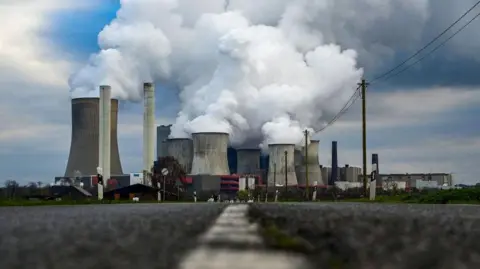
Transitioning to electric cooking could become a more common alternative in urban areas, despite increasing demand for coal-generated electricity. As coal already accounts for nearly 79% of India's domestic energy, a shift away from gas may inadvertently strengthen reliance on coal.
In conclusion, while temporary adaptations to the energy crisis may lead to increased pollution, experts advocate for longer-term solutions such as solar cooking systems to enhance household energy resilience in India.