The top intelligence official in the US said on Wednesday that the Iranian regime was 'intact' but 'largely degraded.' Director of National Intelligence Tulsi Gabbard and other top Trump administration officials testified at a congressional hearing for more than two hours about worldwide threats to the US. It was the first public briefing on intelligence since the war began in late February and came one day after a top counterterrorism leader resigned saying Iran had not posed an imminent threat to the US.
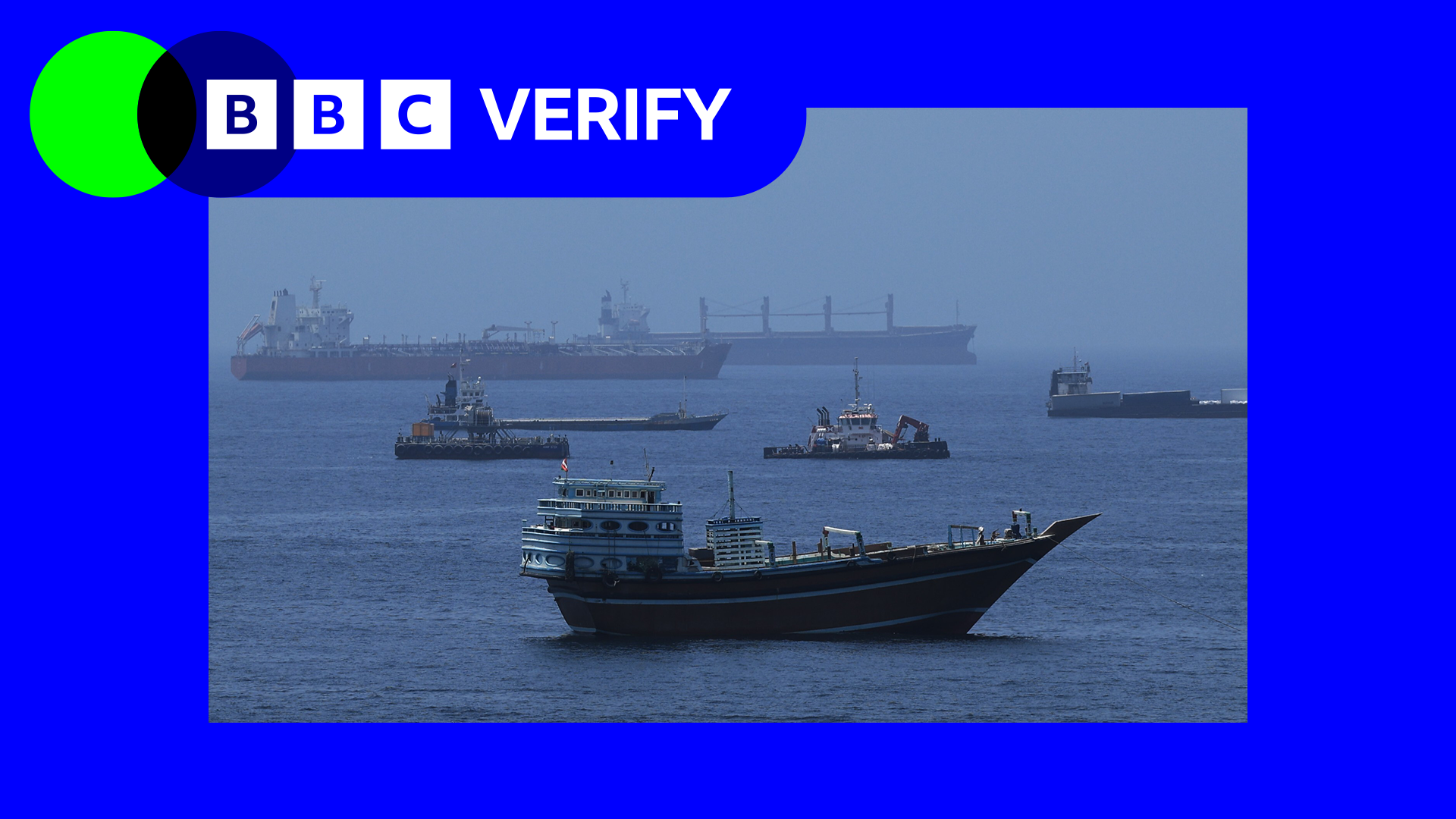
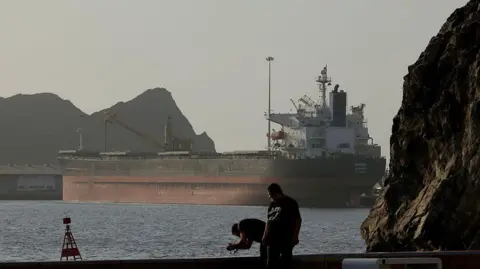
Gabbard, who coordinates the country's intelligence operations, also said that the US had anticipated trouble in the Strait of Hormuz, a vital shipping channel. 'The IC [intelligence community] assesses the regime in Iran appears to be intact, but largely degraded due to attacks on its leadership and military capabilities,' she said.
Appearing alongside the heads of the CIA, FBI, National Security Agency and Defense Intelligence Agency, Gabbard declined to answer when asked repeatedly by Senator Jon Ossoff, a Democrat, about whether she had viewed Iran as an imminent threat.
'Only the president can determine what is and is not an imminent threat,' she stated.
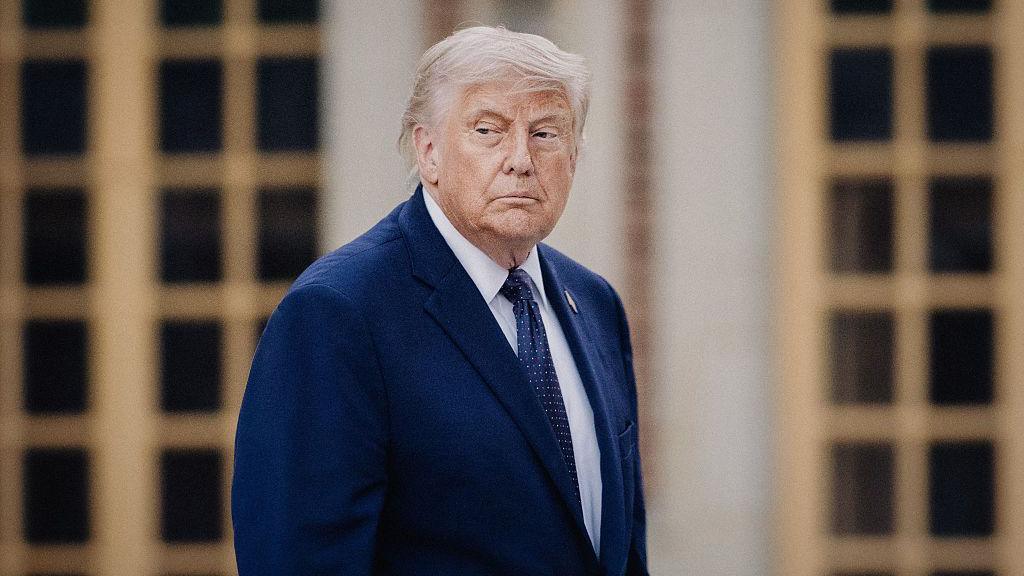
Since the war began, lawmakers from both parties have questioned why the US struck the Islamic Republic and whether the Trump administration was aware of potential problems in the Strait of Hormuz. President Donald Trump has maintained that the US attacked largely due to Iran's nuclear weapon development, which he claimed threatened both the US and Israel.
On Tuesday, Joe Kent resigned from his role as the director of the national counterterrorism center, asserting that Iran had posed 'no imminent threat' and criticized Trump for the military action against Iran. CIA Director John Ratcliffe, however, disagreed, claiming, 'I think Iran has been a constant threat to the United States for an extended period of time.'
Gabbard highlighted that US and Israeli strikes in the Middle East had significantly destroyed Iran's military capabilities, and the intelligence community assessed that 'Iran was trying to recover from the severe damage to its nuclear infrastructure sustained during the 12-Day War.' Gabbard's prepared remarks indicated that the attacks 'obliterated' Iran's nuclear enrichment program, but she did not read this assertion during her testimony.
Lawmakers expressed curiosity about the intelligence officials' involvement in Trump's decision-making process regarding the strike on Iran. Senator Angus King raised questions on whether intelligence officials informed Trump that Iran could potentially attack the Strait of Hormuz amid the conflict with the US.
Overall, the hearing uncovered complex assessments and tensions surrounding the US-Iran relationship post-conflict.
Gabbard, who coordinates the country's intelligence operations, also said that the US had anticipated trouble in the Strait of Hormuz, a vital shipping channel. 'The IC [intelligence community] assesses the regime in Iran appears to be intact, but largely degraded due to attacks on its leadership and military capabilities,' she said.
Appearing alongside the heads of the CIA, FBI, National Security Agency and Defense Intelligence Agency, Gabbard declined to answer when asked repeatedly by Senator Jon Ossoff, a Democrat, about whether she had viewed Iran as an imminent threat.
'Only the president can determine what is and is not an imminent threat,' she stated.
Since the war began, lawmakers from both parties have questioned why the US struck the Islamic Republic and whether the Trump administration was aware of potential problems in the Strait of Hormuz. President Donald Trump has maintained that the US attacked largely due to Iran's nuclear weapon development, which he claimed threatened both the US and Israel.
On Tuesday, Joe Kent resigned from his role as the director of the national counterterrorism center, asserting that Iran had posed 'no imminent threat' and criticized Trump for the military action against Iran. CIA Director John Ratcliffe, however, disagreed, claiming, 'I think Iran has been a constant threat to the United States for an extended period of time.'
Gabbard highlighted that US and Israeli strikes in the Middle East had significantly destroyed Iran's military capabilities, and the intelligence community assessed that 'Iran was trying to recover from the severe damage to its nuclear infrastructure sustained during the 12-Day War.' Gabbard's prepared remarks indicated that the attacks 'obliterated' Iran's nuclear enrichment program, but she did not read this assertion during her testimony.
Lawmakers expressed curiosity about the intelligence officials' involvement in Trump's decision-making process regarding the strike on Iran. Senator Angus King raised questions on whether intelligence officials informed Trump that Iran could potentially attack the Strait of Hormuz amid the conflict with the US.
Overall, the hearing uncovered complex assessments and tensions surrounding the US-Iran relationship post-conflict.