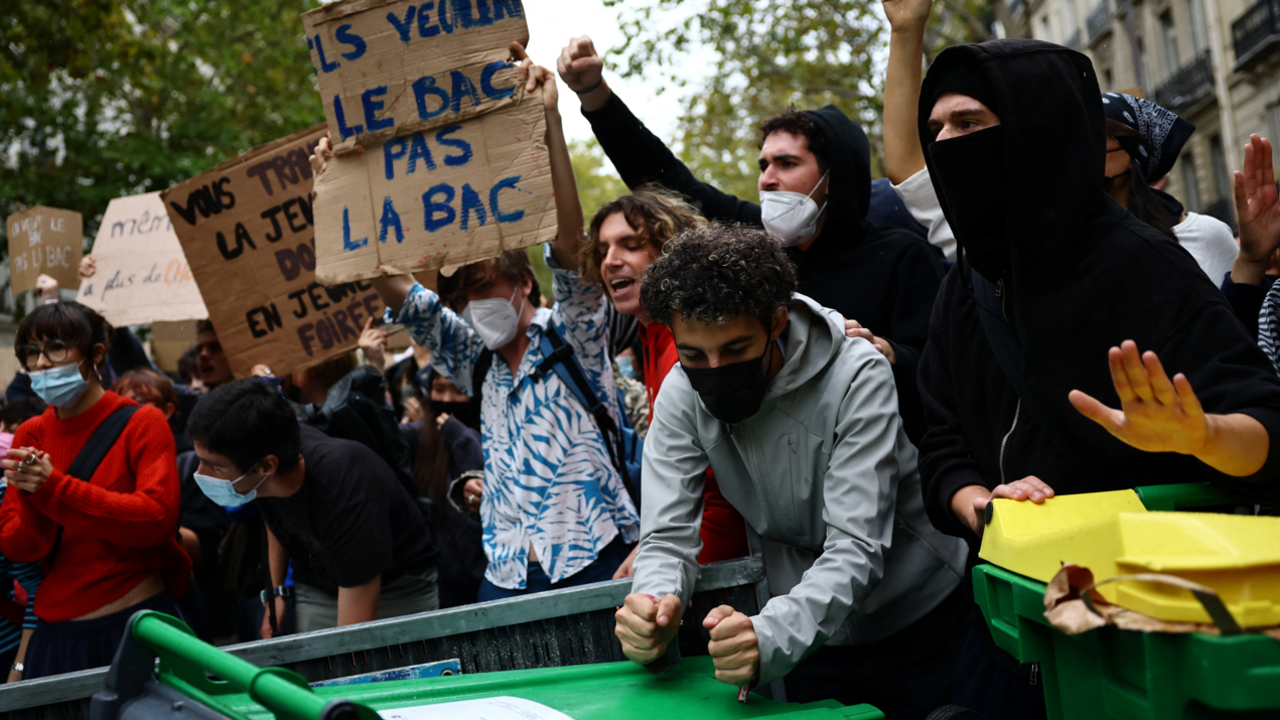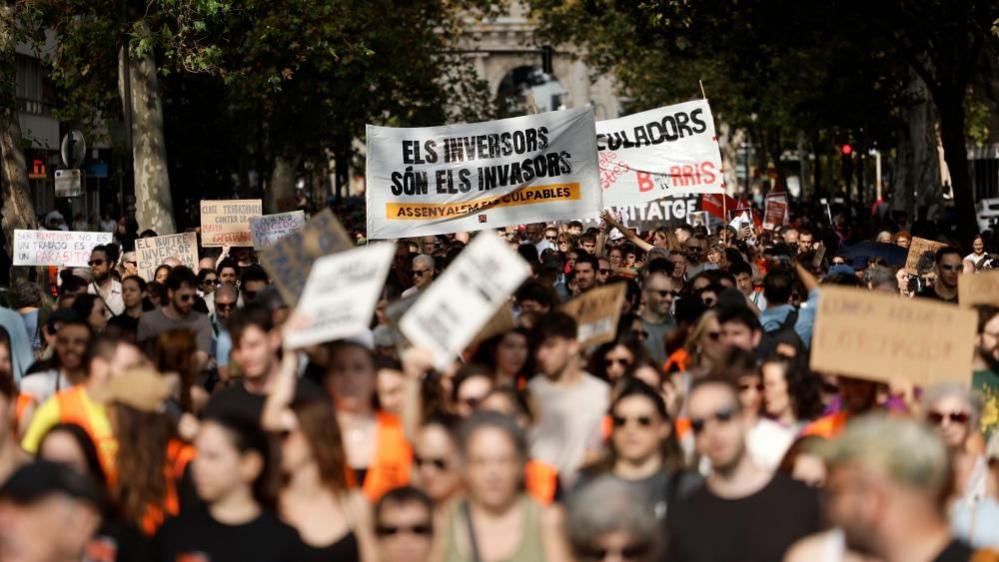
Tenants in Madrid are camping out in Puerta del Sol, demanding action as Spain’s housing market spirals.
Protesters, led by 21‑year‑old graduate Pierina Nicuray and 19‑year‑old dubbing student Jorge Moreno, blame ‘vulture funds’ and Airbnb for inflated rents and widespread vacancies.
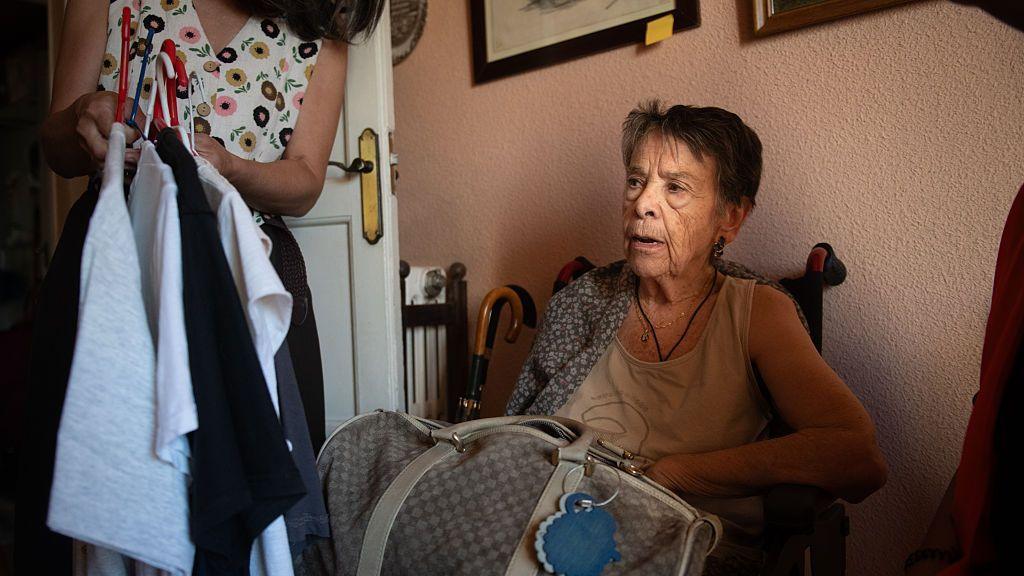
They point to the tragic eviction of 87‑year‑old Maricarmen Abascal, whose home was sold to an investment firm that raised her rent beyond her means, ultimately leading to her death.
Economist Jorge Galindo counters that the rise is not driven by a few large owners—the Bank of Spain shows only 8% of rental properties are owned by companies—but by a chronic supply gap that has widened as new construction lags behind a booming housing‑seeking population.
The Bank of Spain estimates a shortfall of roughly 750,000 homes, with the figure expected to climb to one million by 2028.
Meanwhile, salaries have slipped in real terms, and many workers spend between 75% and 80% of their earnings on rent, raising concerns about basic affordability.

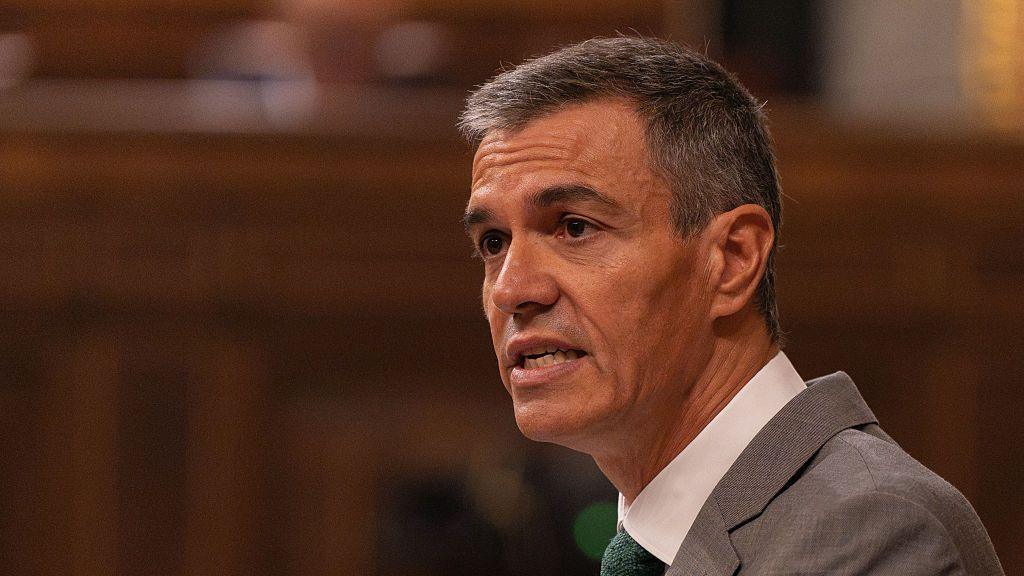
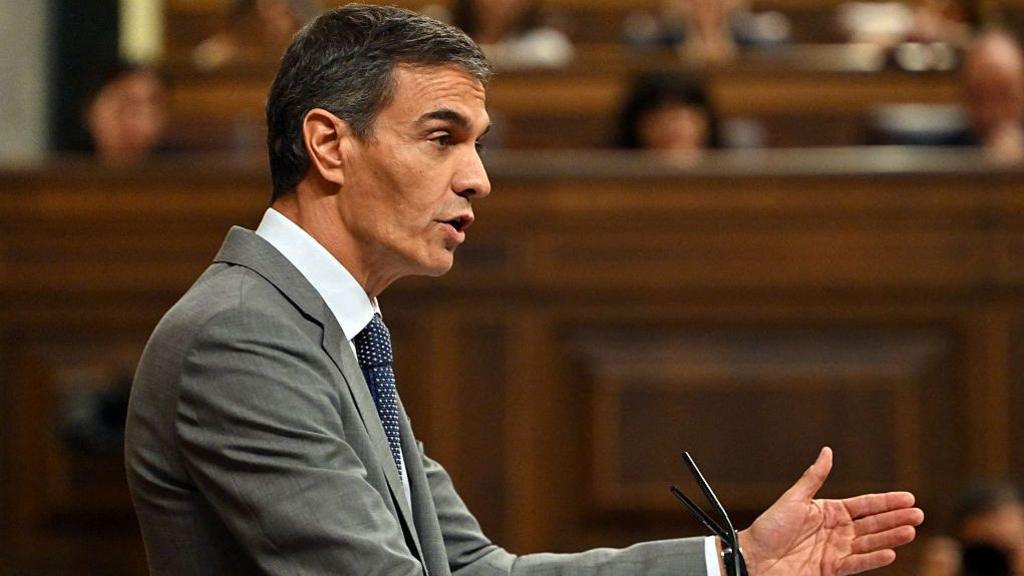
The government’s emergency measures—referred to by Prime Minister Pedro Sánchez as “bills against those who treat housing as a speculative asset”—were rejected by Congress, prompting a snap election and deepening uncertainty.
Polls show 72% of Spaniards support higher taxes on owners with ten or more properties, 76% favour limits on short‑term rentals, and 40% back expropriation of empty homes.
As Madrid’s tent cities become a symbol of a national crisis, the debate is turning from protest to policy, urging a comprehensive approach to housing affordability, supply incentives, and stricter regulation of speculative investment.